

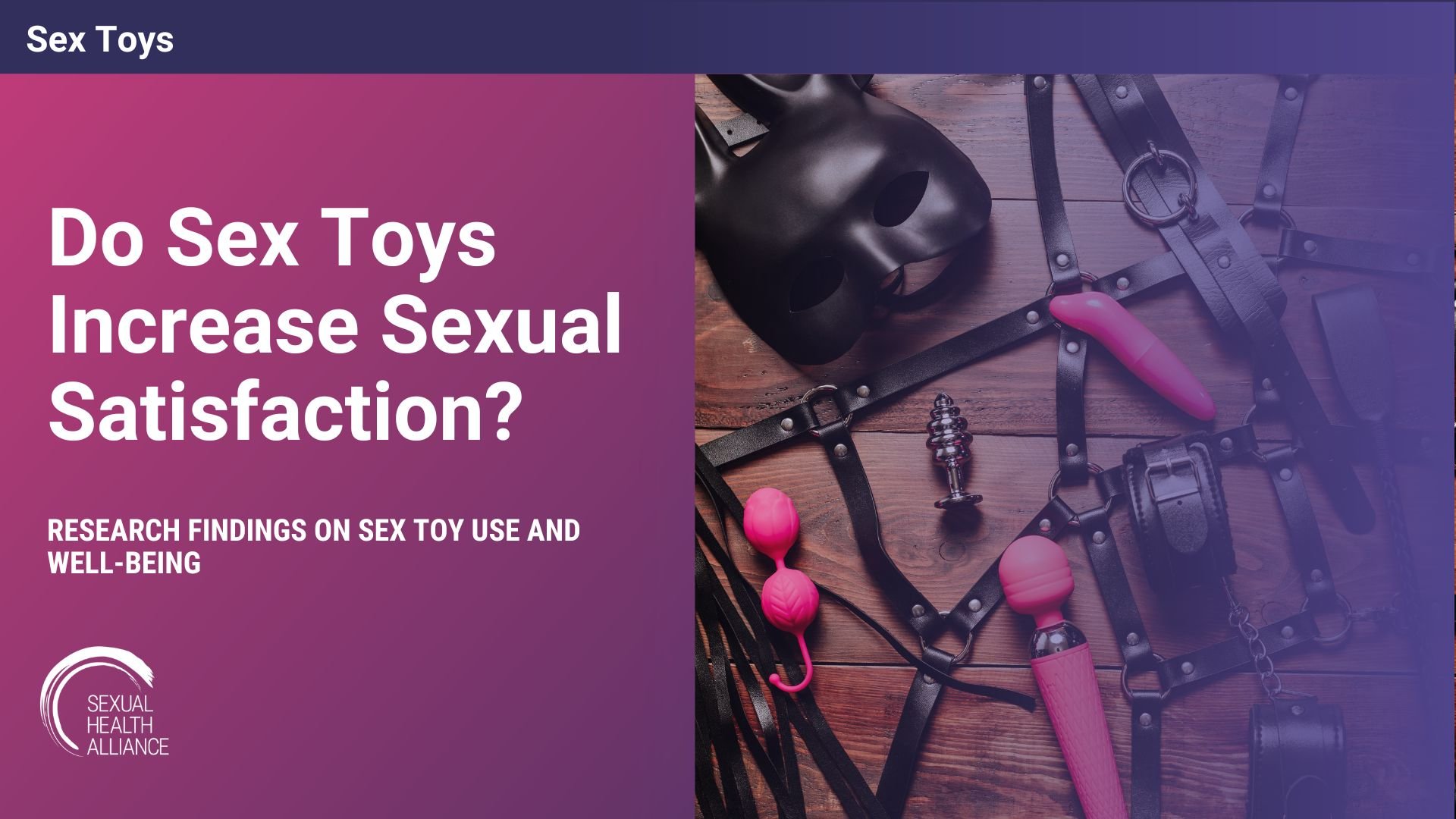
Introduction: Sex Toys and Research
The global sex toy market continues to rise, reflecting increased openness, accessibility, and normalization of pleasure-related products. Sex toys can broaden or enhance pleasure for many individuals, and research consistently shows that users report positive outcomes—including greater sexual enjoyment, reduced pain during sexual activity, and enhanced comfort and confidence in sexual experiences.
For this blog, “sex toys” refers broadly to material products used to enhance sexual pleasure during either solo or partnered activities. While access is widespread in many Western countries, cross-country comparative research remains relatively limited. A recent large international study helps fill this gap, surveying nearly 12,000 adults across six European nations to explore:
How common sex toy ownership and use are
Who is most likely to use them
Whether use is related to sexual, relationship, or life satisfaction
Below is a look at what the researchers found, and what it means for sexual health professionals.
About the Study
Between May and June 2022, adults from Denmark, Norway, Sweden, Finland, France, and the UK completed online surveys. These countries account for some of the highest online search interest in sex toys, making them valuable sites for comparative research. Still, it is important to remember that the findings may not generalize to other regions with different social, cultural, or regulatory environments.
Participants provided information on:
Types of toys owned
How and with whom they were used
Sexual, relationship, and life satisfaction
For professionals interested in the cultural dimensions of sexual health, SHA’s study abroad programs explore different European norms and attitudes firsthand.
How Common Is Sex Toy Use in Europe?
More than half of adults surveyed reported owning at least one sex toy, reflecting widespread access, normalization, and integration of pleasure products across European households.
Most Common Types of Toys
Vibrators and dildos (most commonly owned)
Followed by: restraints such as handcuffs, penis rings, and anal toys
How People Are Using Their Toys
Relationship Context
Most participants reported using sex toys either alone or with a steady partner. Across countries, approximately:
6 in 10 use sex toys alone
6 in 10 use toys with a steady partner
1 in 10 use toys with casual partners
Interestingly, individuals with children living at home were more likely to own sex toys compared to both non-parents and parents whose children no longer lived at home, a reminder that pleasure and sexual exploration continue despite, and perhaps because of, evolving household responsibilities.
Frequency Trends
Several demographic and relational factors shaped how often toys were used:
Age: Older adults tended to use them less frequently
Relationship duration: Longer relationships were associated with decreased frequency
Gender and sexuality: Patterns varied considerably
Bisexual individuals were more likely to report use than heterosexual, gay/lesbian, or asexual participants
Women were slightly more likely to own a toy overall, though men tended to own a larger number
Number of sexual partners: Use was more common among individuals with more lifetime partners
These trends show that sex toys serve many roles in sexual expression, and understanding why individuals use them is key for effective professional support.
Cultural Differences Across Countries
While ownership of items like anal toys, BDSM products, and strap-ons showed no meaningful country differences, other patterns emerged:
French respondents were the least likely to own a sex toy
UK respondents were the most likely to own a vibrator (around 80%)
Other global research has also shown strong interest in sex toys across northern Europe, particularly Denmark, Norway, and Sweden, where online searches for dildos rank among the highest worldwide.
Sex Toys and Research: Does Sex Toy Use Increase Satisfaction?
Across countries, the findings were consistent:
Sexual Satisfaction
Higher sexual satisfaction was associated with:
People who owned or used sex toys with or without a romantic partner
The number of toys; more toys=more satisfaction
Yet an intriguing twist emerged:
French respondents scored highest on sexual satisfaction despite being the least likely to own toys
Curious about the cultural “secret sauce”? SHA’s study abroad trip to France explores cultural attitudes toward sexuality, intimacy, and pleasure in depth.
Life Satisfaction
Toy ownership and use were also associated with increased life satisfaction. Again, people who reported owning more toys reported a higher life satisfaction.
France again scored higher than Finland, Norway, and the UK, though not significantly higher than Denmark or Sweden.
Relationship Satisfaction
Relationship satisfaction was:
Higher among people who owned toys
Higher when toys were used with partners
UK participants reported higher relationship satisfaction than respondents from France, Sweden, Norway, and Finland.
Limitations
As with all studies, it is important to note some of the limitations. With a cross-sectional design study, causation can not be determined. Therefore, some important questions come up for us, the audience, and as sexual health professionals including:
Do sex toys increase satisfaction?
Or are more satisfied individuals simply more likely to use them?
Or is the relationship bidirectional?
Online opt-in panel samples may not fully represent the general population in Europe, and especially the rest of the world. There are varying policies, laws, social norms and barriers to access and affordability that contribute to why some individuals may use sex toys more often than others.
Implications for Sexual Health Professionals
Sexual health providers frequently work with clients navigating sexual satisfaction, desire, and changing physical or relational needs. This research reinforces several practice takeaways:
Normalize Conversations About Sex Toys: High prevalence suggests many clients already own or use sex toys.
Incorporate Into Education and Counseling: Sex toys can be a helpful, evidence-supported discussion point in:
Orgasm gaps
Sexual satisfaction counseling
Aging and changing sexual function
Recognize Diversity: Use patterns vary by age, gender, social and religious norms and expectations, sexual orientation and other factors. Professionals should tailor support accordingly
Interested in expanding your sexual health knowledge and integrating these insights into your practice?
SHA’s comprehensive, forward-thinking certification programs empower sexual health professionals to advance their expertise and careers globally.
Conclusion: Sex Toys and Research
Sex toys are widely used across Europe. If you’re interested in learning more about sex toys and other sexual health topics in Europe through an immersive experience, check out SHA’s study abroad programs–Paris and Amsterdam are up next!
The use of sex toys, especially with partners, is associated with higher:
Sexual satisfaction
Relationship satisfaction
Life satisfaction
While more research is needed to understand causality, the findings reinforce that sex toys can be a meaningful part of healthy, satisfying sexual lives.
Written by: Emma Sell-Goodhand, MPH
Emma is a doctoral student and Global One Health Fellow at North Carolina State University studying adolescent sexual health. She brings prior experience as a Technical Advisor at the World Health Organization.
Want to become an in-demand sexual health professional? Learn more about becoming certified with SHA!

