
Pleasure is not optional or indulgent—it is a foundational part of overall health and well-being.
Curiosity, consent, and communication are essential life skills that shape healthier relationships and stronger self-trust.
Proactive sexual self-care, including working with trained professionals, supports long-term relational and personal health.
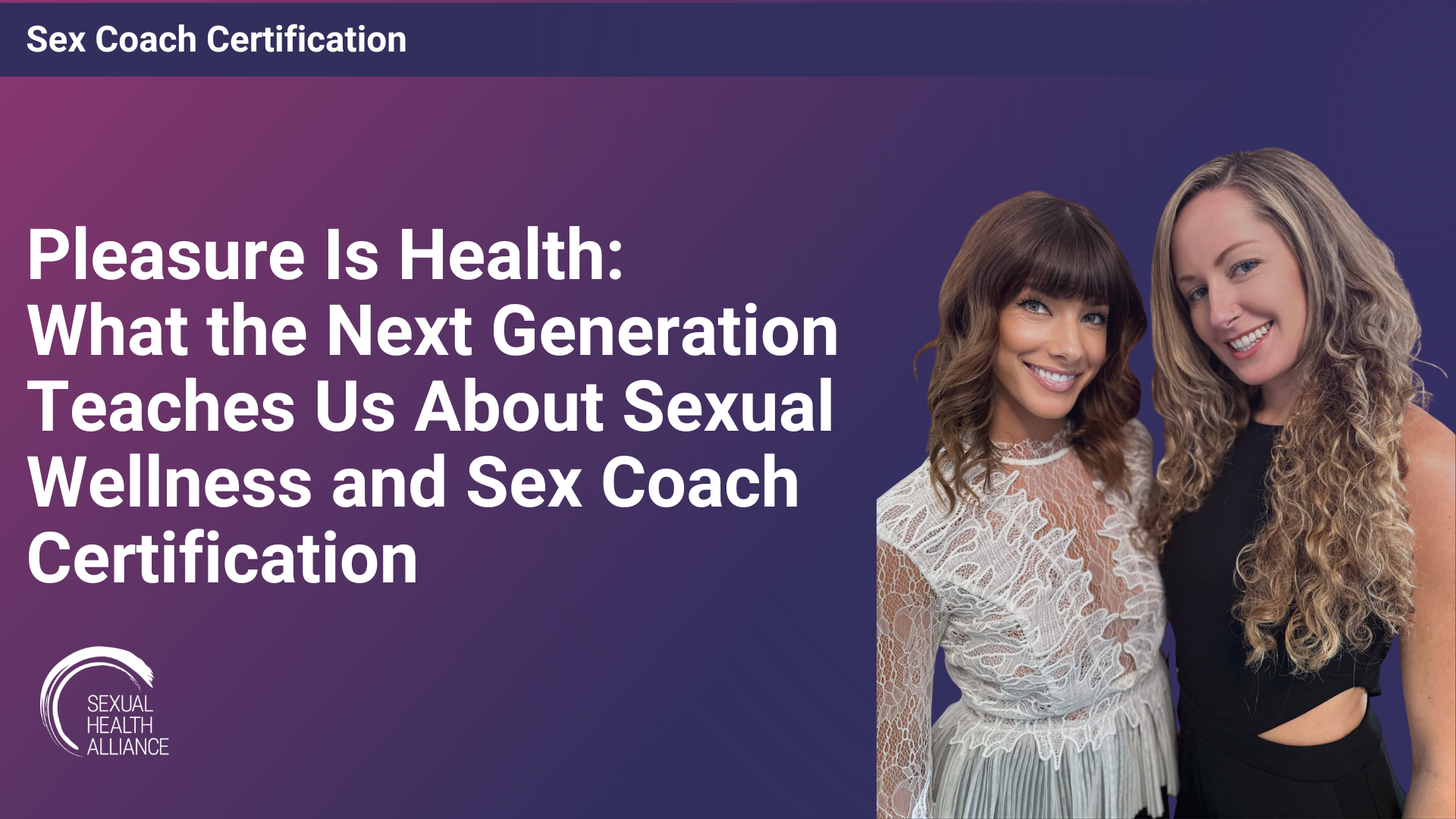
In a culture that often treats sexuality as either taboo or entertainment—but rarely as healthcare—voices like Shameless Sex Podcast hosts April Lampert and Amy Baldwin offer a necessary reframing: pleasure is not a sidebar to health. It is central to it.
Their conversation speaks directly to the next generation—Gen Z and Generation Alpha—but the message is just as relevant for clinicians, educators, coaches, and anyone invested in sexual wellness. At its core, this discussion invites a broader shift in how we understand sexual health, self-care, and the growing role of trained professionals, including those pursuing a sex coach certification, in supporting individuals before crisis sets in.
Pleasure as Preventative Healthcare, Not an Afterthought
One of the most powerful assertions in this conversation is deceptively simple: pleasure belongs in the same category as nutrition, exercise, and sleep. It is not something to be earned, postponed, or addressed only when something goes wrong.
In mainstream health culture, people readily invest in supplements, gym memberships, therapy, and routine checkups as preventative measures. Sexuality, however, is often excluded from that equation. When it is addressed, it is usually framed through dysfunction, diagnosis, or crisis.
April and Amy from the Shameless Sex Podcast challenge this outdated model by positioning sexual self-care as preventative healthcare. When individuals attend to their pleasure, boundaries, and desires early—before distress or disconnection escalates—they are better equipped to navigate change, stress, aging, relationships, and identity shifts.
This proactive approach mirrors how many sex coaches and educators are trained to work: not to “fix” broken people, but to support growth, exploration, and integration across the lifespan.
Curiosity, Consent, and Communication as Lifelong Skills
A central theme of the discussion is that curiosity, consent, and communication are not just sexual tools—they are relational life skills.
Curiosity allows individuals to explore their own needs without shame. Consent fosters mutual respect and embodied autonomy. Communication creates the bridge between inner experience and shared connection. Together, these skills form the foundation of healthy sexual and relational dynamics.
What is striking is how transferable these skills are. They influence how people advocate for themselves in healthcare settings, navigate friendships and family relationships, and even engage professionally. Sexual wellness does not exist in isolation; it intersects with confidence, emotional regulation, and self-trust.
This is precisely why comprehensive education and training—such as a well-structured sex coach certification—places so much emphasis on communication frameworks, boundary work, and relational literacy. These are not niche competencies; they are core human skills.
Owning Your Sexual Story as Radical Self-Love
April’s reflection on “owning your story” stands out as a deeply resonant moment. Shame, particularly sexual shame, does not remain confined to the bedroom. It seeps into self-esteem, relationships, decision-making, and overall quality of life.
By naming pleasure as a legitimate and necessary part of health, individuals are invited to reclaim narratives that may have been shaped by silence, stigma, or misinformation. This act of ownership is described as radical self-love—not because it is extreme, but because it resists cultural norms that prioritize productivity, compliance, or performance over embodiment and authenticity.
For many people, this reclamation is not something they can do alone. Supportive, informed professionals play a critical role in helping individuals unpack internalized shame and build healthier relationships with their bodies and desires. This is one reason the demand for qualified sexual wellness professionals continues to grow.
Why Early Support Matters More Than Crisis Intervention
A particularly important point raised in the conversation is the idea that support should not be reserved for moments of breakdown. Waiting until sexuality feels “broken” often means working against years of avoidance, misunderstanding, or entrenched patterns.
Early engagement—when confusion first arises, when communication feels slightly off, or when curiosity is emerging—can prevent deeper distress later. This mirrors trends across mental and physical healthcare, where early intervention consistently leads to better outcomes.
Sex coaches, educators, and therapists trained through credible certification pathways are uniquely positioned to support this preventative model. A sex coach certification equips professionals to meet clients where they are, normalize exploration, and offer tools before problems escalate into crises.
The Accessibility Revolution in Sexual Education and Sex Coach Certification
Another key insight from April and Amy’s conversation is the unprecedented access to sexual health education available today. Podcasts, books, online courses, and virtual sessions have dramatically reduced geographic and social barriers that once limited access to information.
Even individuals living in remote or conservative environments can now engage with evidence-informed, pleasure-positive education—often anonymously and at their own pace. This accessibility has profound implications, particularly for younger generations who are forming their sexual identities in a digital landscape.
However, access to information alone is not enough. Discernment, integration, and personalized support remain essential. This is where trained professionals—grounded in ethics, inclusivity, and evidence-based practice—play a vital role.
The Expanding Role of Sex Coaches and Educators
As cultural conversations around pleasure, consent, and embodiment continue to evolve, so too does the role of sex coaches and educators. These professionals are not replacements for medical or mental health providers, but complementary supports within a broader ecosystem of care.
A rigorous sex coach certification prepares practitioners to work ethically, collaboratively, and within scope—helping clients build skills, confidence, and insight around sexuality and relationships. Importantly, it also trains professionals to recognize when referral or interdisciplinary collaboration is appropriate.
The growing normalization of sexual self-care suggests that demand for well-trained professionals will only increase. Individuals are no longer waiting for permission to prioritize pleasure; they are seeking guidance that is informed, affirming, and grounded in best practices.
Looking Ahead: A Healthier, More Integrated Future
April and Amy express optimism about what lies ahead, particularly as younger generations embrace pleasure as an integral part of health rather than a moral or medical afterthought. This shift has the potential to ripple outward—impacting relationships, families, communities, and systems of care.
When pleasure is recognized as health, conversations become more honest. When curiosity replaces shame, learning accelerates. When support is normalized early, resilience increases.
For professionals considering advanced training, this cultural moment represents both responsibility and opportunity. A thoughtfully designed sex coach certification is not just a credential—it is a pathway into meaningful, preventative, and transformative work that meets people where they are.
The message is clear: the time is now. Pleasure belongs in healthcare, education, and everyday life—and those equipped to guide others through that integration are helping shape a healthier future for everyone.
Want to become an in-demand sexual health professional? Learn more about becoming certified with SHA!

