

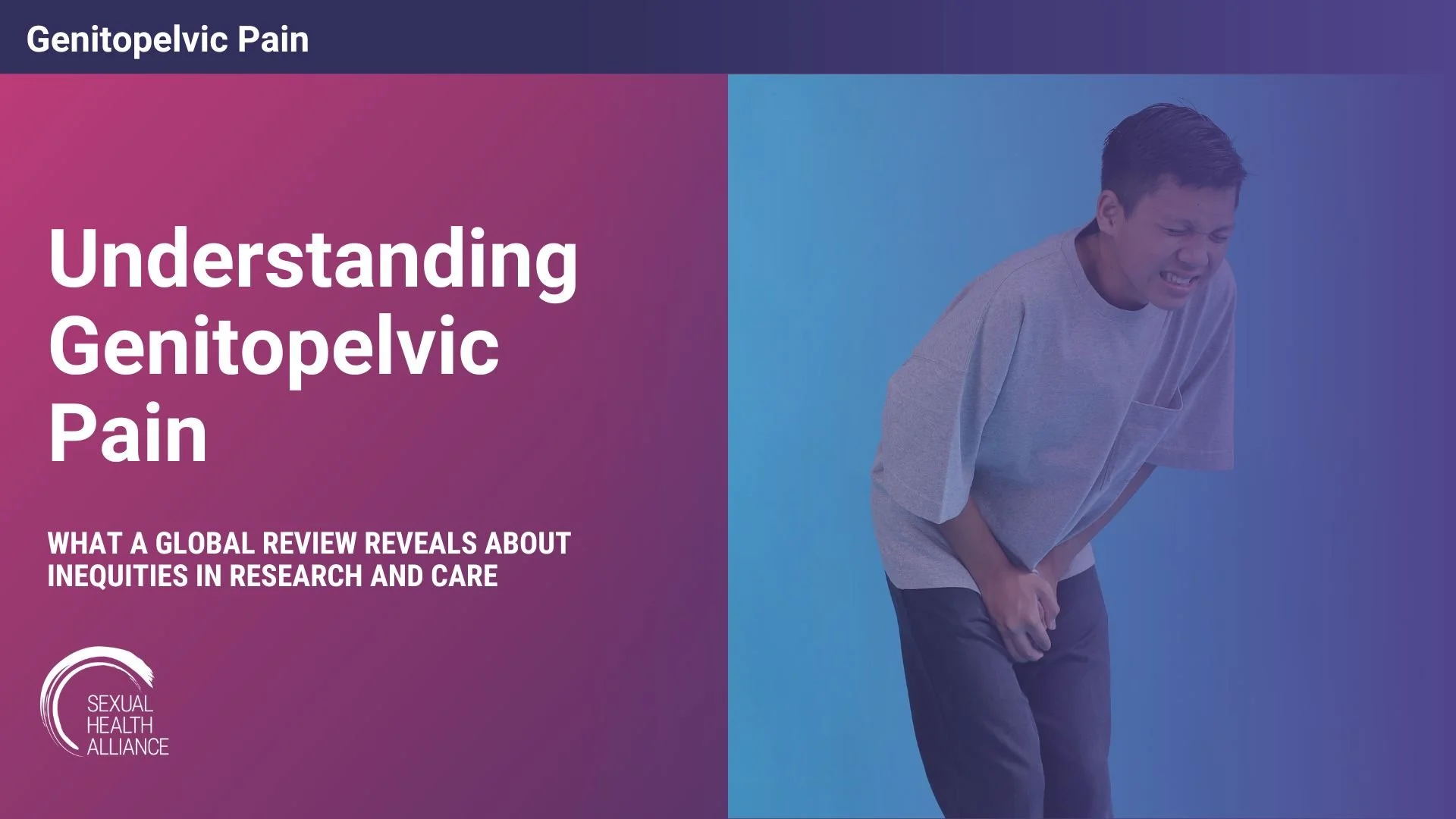
Genitopelvic pain is a common but often overlooked sexual health concern—one that influences people’s bodies, intimate relationships, emotional well-being, and quality of life.
Despite its wide-ranging impact, the research that shapes clinical knowledge and treatment guidelines has historically centered a narrow demographic: White, cisgender, heterosexual women. As a result, entire communities experiencing sexual pain have been excluded from the evidence base that drives diagnosis, care, and policy.
A new global scoping review, examining 227 studies on genitopelvic pain, brings this issue into sharp focus. By assessing what is known—and, more importantly, what remains unknown—about genitopelvic pain in minoritized populations, the review highlights an urgent need for more inclusive research.
This work represents one of the most comprehensive efforts to date to map the landscape of genitopelvic pain across diverse communities—and it underscores how much more remains to be done.
What Is Genitopelvic Pain?
Genitopelvic pain refers to persistent or recurrent pain in the genital or pelvic region that can occur before, during, or after sexual activity, penetration, or even during tampon insertion. These experiences vary widely, but commonly discussed conditions include:
Vaginismus: involuntary tensing or contracting of the vaginal muscles, often making penetration painful or impossible.
Dyspareunia: genital pain experienced during or after penetration. Pain may occur in the pelvic floor muscles, within the vaginal canal, in the vulvar tissue, or as deeper abdominal or uterine pain. Importantly, dyspareunia is not limited to people with vaginas—people with penises can experience genital and pelvic pain as well, including testicular pain, pelvic floor tension, or pain along the penile shaft.
Vulvodynia: chronic vulvar pain or discomfort without an identifiable cause, often described as burning, stinging, irritation, or rawness.
Other pelvic floor–related pain syndromes: including pelvic myalgia, postoperative pelvic pain, endometriosis-related pain, and other conditions affecting sexual functioning.
In the DSM-5, vaginismus and dyspareunia are combined under the diagnosis of Genito-Pelvic Pain/Penetration Disorder (GPPPD), though many people experience symptoms that overlap or fall outside of rigid diagnostic categories.
Regardless of label, genitopelvic pain can influence sexual desire, arousal, lubrication, relationship satisfaction, and emotional well-being.
For many individuals, shame, stigma, and a lack of access to culturally responsive care worsen both the physical and psychological experience of pain—an issue that disproportionately affects people in marginalized communities.
What the Review Found: Gaps, Barriers, and Missed Opportunities
1. A Limited—and Uneven—Evidence Base
Global estimates of genitopelvic pain range from 8% to 22%, though some studies report much higher rates. In the new scoping review, estimates ranged widely—from 2% to 90% overall, and from 3% to 62% among gender- and sexually minoritized groups.
Despite its prevalence, very few studies focused on racial or ethnic minority populations, LGBTQ+ individuals, adolescents, or people with lower socioeconomic status. And when these groups were included, the research was inconsistent—using different definitions, measures, and sample types—making it hard to compare results or identify clear patterns.
One U.S. study showed why representation matters: White women tended to use “traditional descriptors” for pain, while Black and Asian women often selected “none of these descriptors,” suggesting that existing tools may not capture everyone’s experiences.
A narrow evidence base affects treatment guidelines, provider communication, funding, and policy. When whole groups are left out of research, their health outcomes are at risk.
2. Structural Barriers Are Too Often Ignored
A major limitation identified in the review is that structural and contextual factors—those that shape how sexual pain is experienced, reported, and treated—are rarely measured or acknowledged.
These factors may include:
Racism and discrimination
Historical and contemporary medical mistrust
Immigration stress and acculturation pressures
Language barriers and lack of culturally competent clinicians
Financial and insurance-related barriers
Gendered expectations and cultural norms
Exposure to trauma, including sexual or obstetric trauma
Without understanding how these contexts affect patients’ experiences and decision-making, interventions will remain incomplete. Genitopelvic pain cannot be treated effectively without acknowledging the environments in which people live, love, and seek care.
3. Sexual Orientation and Gender Identity Are Underreported
Another major finding from the review is that very few studies focused on LGBTQ+ participants. This is a major gap, because existing research shows mixed results when comparing pain levels across sexual and gender groups. Several important factors were linked to genitopelvic pain, including:
Sexual minority stress—including stigma, hiding one’s identity, and discrimination—may affect how people feel pain and whether they seek care.
Internalized homophobia, which was associated with higher reports of pain.
Transgender and gender-diverse people face high rates of pelvic floor problems and pain. Pain was especially common after gender-affirming surgeries.
One study found that nearly 3 in 4 people reported pelvic pain after starting hormone therapy.
Without meaningful inclusion of LGBTQ+ people, clinicians don’t have the information they need to provide supportive, affirming, community-centered care. This lack of research also reinforces the harmful stereotype that genitopelvic pain only affects heterosexual, cisgender women, when in reality it can affect people of all genders and sexualities.
4. Cultural Narratives Shape Pain Experiences—but Research Rarely Captures Them
Cultural beliefs and socialization shape how individuals understand sexual pain, whether they seek help, and how they communicate their needs to partners and providers. Yet only a small portion of the reviewed studies explored cultural or relational contexts such as:
Gender norms and expectations
Taboos around discussing sexuality or pain
Ideas about virginity, penetration, or sexual obligation
Stigma surrounding pelvic examinations
Family or community pressures
Religious or cultural teachings related to sexuality
These narratives profoundly influence experiences of pain, but they remain under-examined in clinical research.
Why This Matters for Sexual Health Professionals
Understanding genitopelvic pain in minoritized groups is not just a research priority—it is an equity imperative.
When pain goes unrecognized or untreated, the consequences include:
Loss of sexual pleasure
Decreased desire
Avoidance of sexual intimacy
Conflict or disconnection in relationships
Increased anxiety, depression, or distress
Feelings of shame or guilt
Diminished trust in healthcare systems
For sexual health professionals, the review highlights the need for:
Inclusive research practices that accurately represent diverse populations
Culturally responsive and trauma-informed care
Intersectional approaches that acknowledge overlapping experiences of marginalization
Advocacy and education that normalize conversations about sexual pain
Community-driven interventions tailored to people’s lived experiences
Recognizing diversity in experiences of sexual pain allows providers to offer more accurate diagnoses, more effective treatment plans, and more compassionate care.
Moving Forward: Where We Go From Here
As the field evolves, researchers and clinicians have an opportunity—and a responsibility—to build more equitable frameworks for understanding and treating genitopelvic pain.
The review notes that methodology is already improving, particularly through the development of more inclusive and culturally sensitive questionnaires. However, much more work remains. A more equitable future requires:
Recruitment strategies that reach underrepresented communities
Research instruments that account for cultural and linguistic variation
Attention to social determinants of health
Collaboration with community organizations and patient advocates
Training for clinicians on biases and structural inequities
Funding priorities that address gaps rather than reinforce the status quo
For sexual health professionals, this review is an important reminder that genitopelvic pain looks different for everyone. A person’s experience can be shaped by who they are, their past, their culture, their relationships, and the kind of care they can access.
Interested in Learning More? Join the SHA Community
Sexual health professionals who are committed to representation, equity, and culturally informed care have a vital role to play in this movement. SHA offers continued opportunities to deepen your knowledge and expand your toolkit.
Stay connected with SHA for ongoing:
Community events
Continuing education courses
Together, we can create a field where everyone’s sexual health stories—and pain experiences—are heard, validated, and supported.
Written by Emma Sell-Goodhand, MPH
Emma is a doctoral student and Global One Health Fellow at North Carolina State University studying adolescent sexual health. She brings prior experience as a Technical Advisor at the World Health Organization.
Want to become an in-demand sexual health professional? Learn more about becoming certified with SHA!

