Attend the 2026 Sexological Conference and connect with hundreds of sexology experts!
October 15th - 17th, 2026, at the Grand hyatt downtown denver
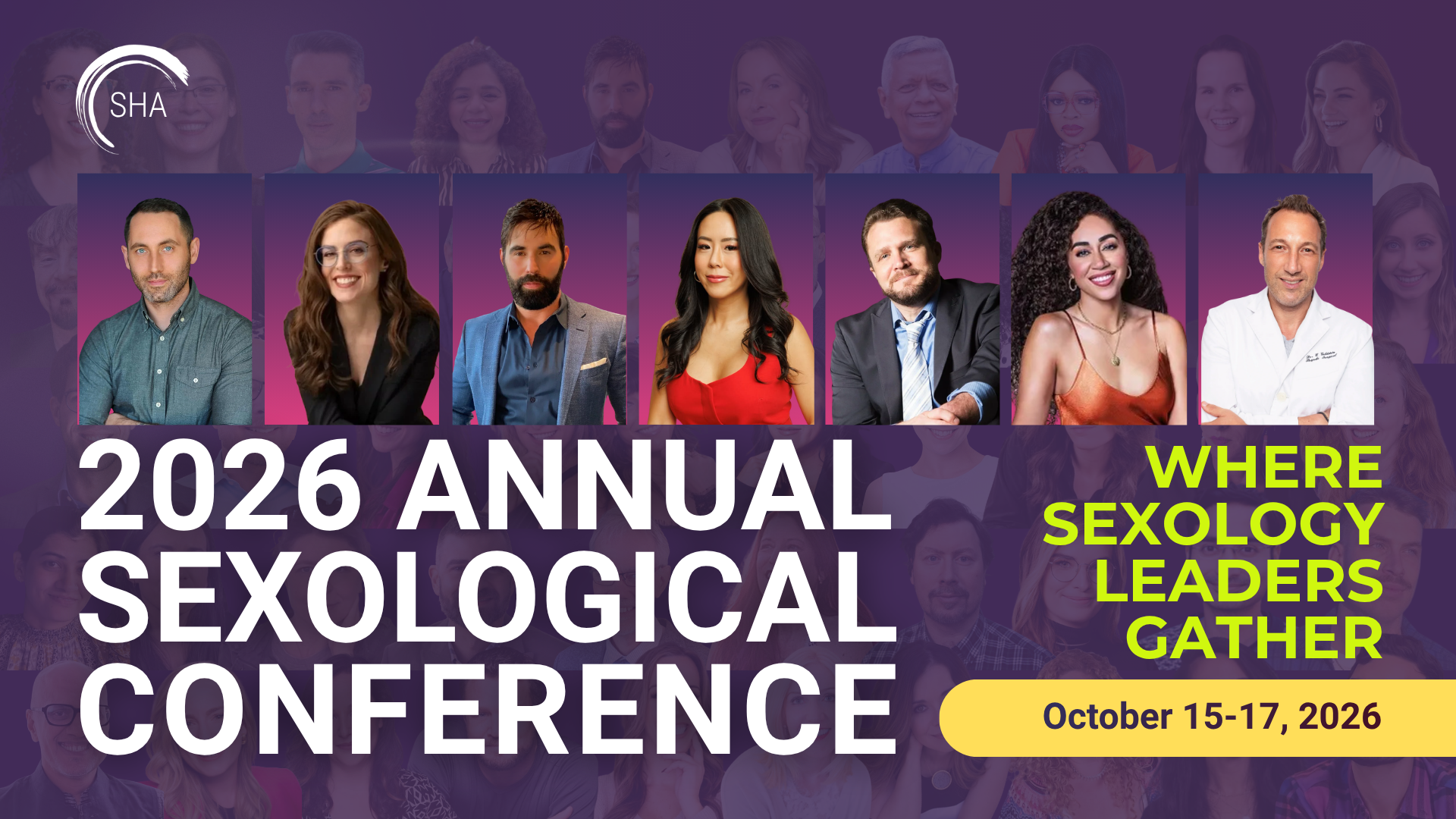
Attendees include the world’s leading sexologists and those aspiring to be one.
Sexual Health Alliance (est. 2015), is a global leader in training and continuing education for mental health practitioners, medical professionals, academics, and researchers.
Learn from world-class keynotes and 30+ expert presenters in an in-person, immersive event. Join fellow psychiatrists, psychologists, therapists, physicians, gynecologists, urologists, pelvic floor physical therapists, registered nurse practitioners, mental health nurse practitioners, scientists, researchers, educators, counselors, sexologists, coaches from all over the world.
A few more days left. register now!
Earn Up to 5 CME/CE Credits
The Sexual Health Alliance Annual Conference has been approved for up to 5 continuing education (CE) credit hours across multiple healthcare professions.
In support of improving patient care, this activity has been planned and implemented by Sexual Health Alliance and Pinnacle Conference, LLC. Pinnacle Conference, LLC is jointly accredited by the Accreditation Council for Continuing Medical Education (ACCME), Accreditation Council for Pharmacy Education (ACPE), and American Nurses Credentialing Center (ANCC) to provide continuing education for the healthcare team.
This activity is accredited for 5 CE hours with the following institutions:
Accreditation Council for Continuing Medical Education (ACCME) - AMA PRA Category 1™
Accreditation Council for Pharmacy Education (ACPE) — ACPE CPE
American Nurses Credentialing Center (ANCC) — ANCC NCPD (CNE)
American Academy of PAs (AAPA) — AAPA Category 1
American Dental Association (ADA) — ADA-CERP CDE
American Psychological Association (APA) — APA CE
Association of Social Work Boards (ASWB) — ASWB-ACE
Board of Certification for the Athletic Trainer (BOC) — BOC CEUs
Interprofessional Continuing Education (IPCE)
These CME/CE credits are available for the in-person Sexual Health Alliance Annual Conference only.
Conference Schedule
Tuesday, Oct 13
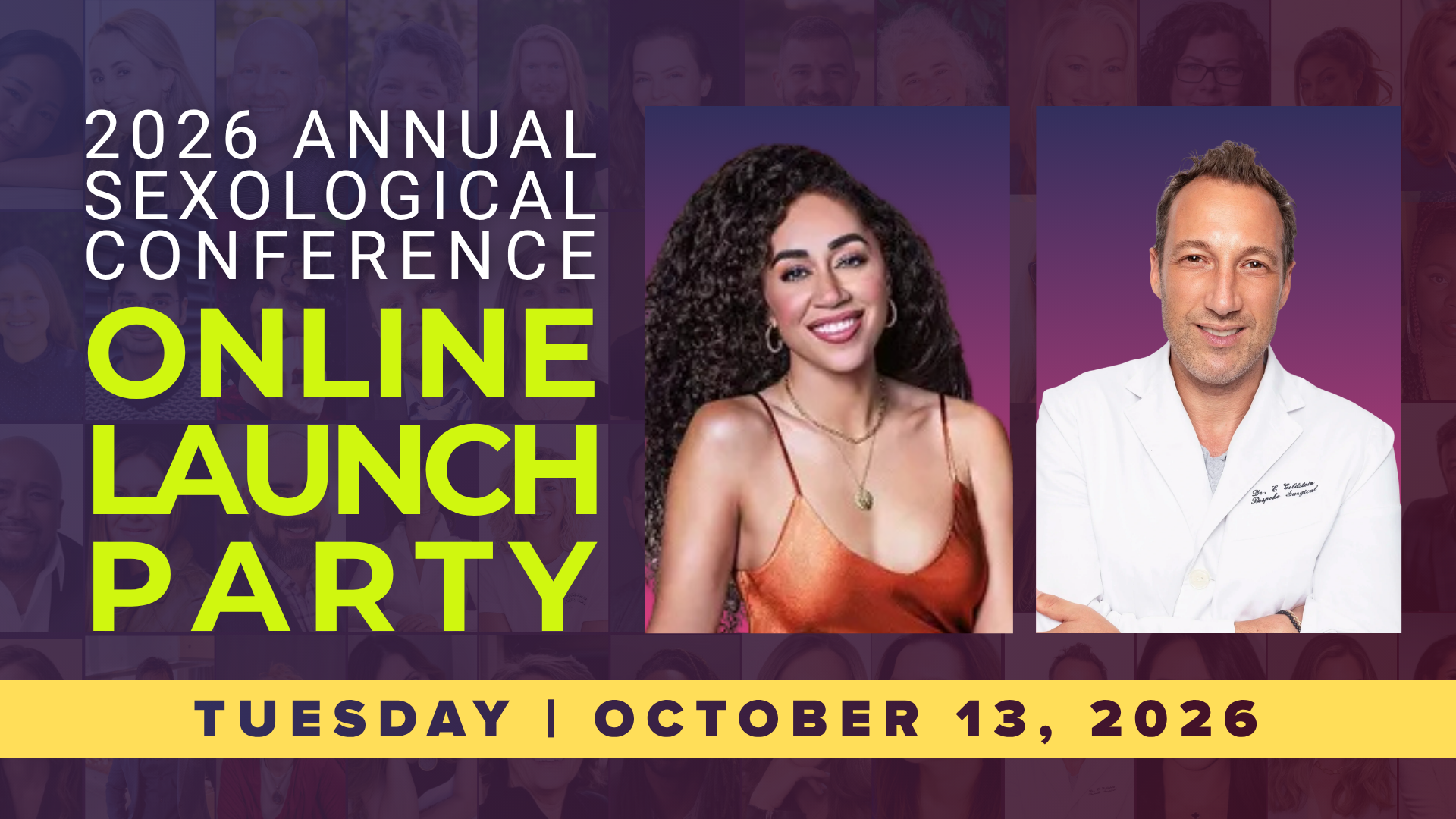
5:00–8:00 PM — Online Launch Party
Dr. Evan Goldstein Keynote
Shan Boodram Keynote
Thursday, Oct 15
9:30–12:30 PM — Pre-Conference Workshops
2:45–4:45 PM — Opening Reception
4:45–6:30 PM — Opening Keynote
6:30–8:30 PM — Breakout Sessions
8:30–10:00 PM — Evening Activity
Friday, Oct 16
7:30–8:0030AM — Morning Activity
8:30–12:30 PM — Breakout Sessions
12:30–2:00 PM — Lunch and Learn Keynote
2:00–6:00 PM — Breakout Sessions
6:00–7:15 PM — Keynote
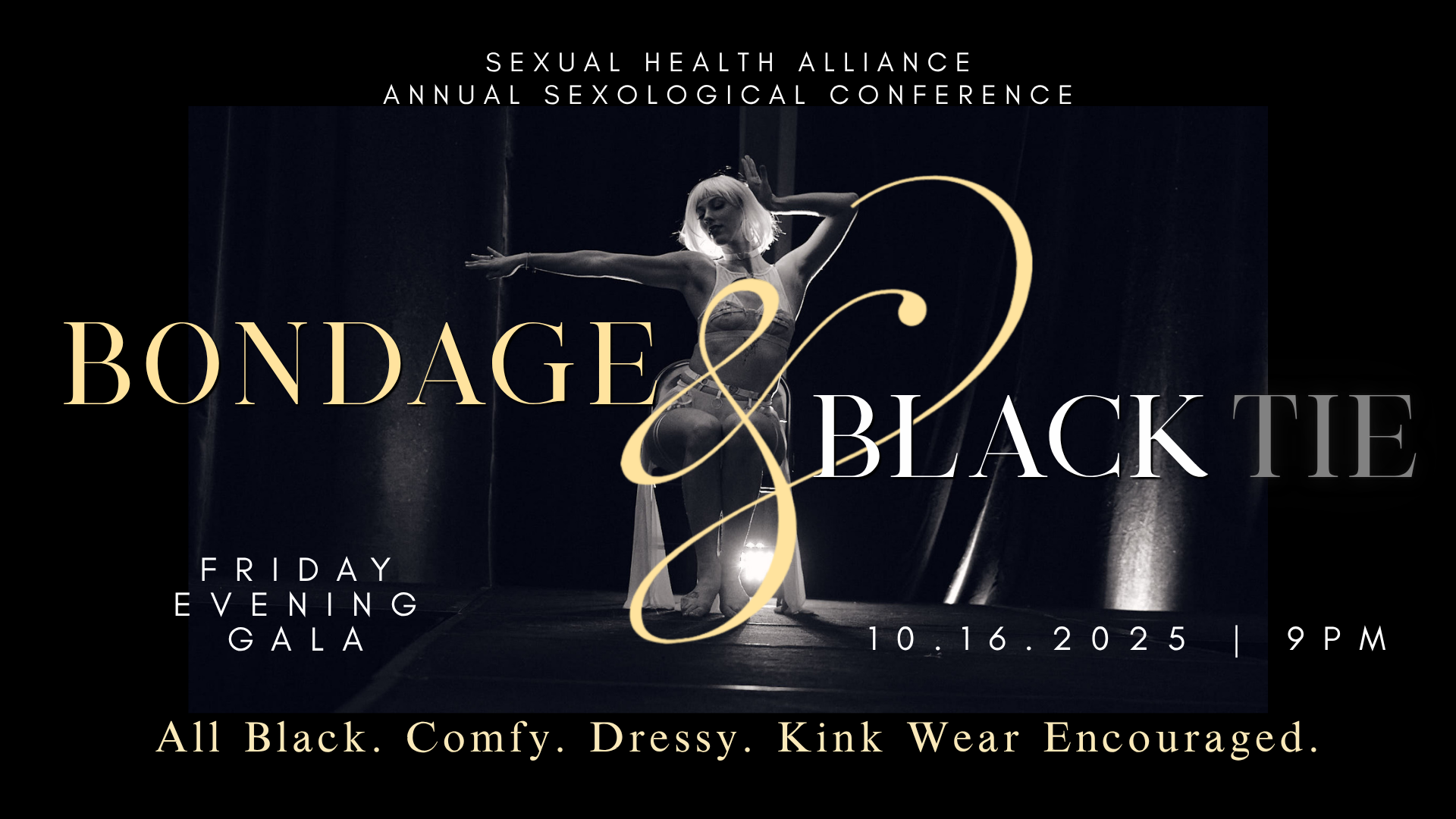
9:00 PM–12:00 AM — Evening Gala
Saturday, Oct 17
8:30–10:00 AM — Breakout Sessions
10:15–11:30 AM — Keynote
11:30–12:30 PM — Breakout Sessions
12:30–2:15 PM — Lunch and Networking
2:15–5:30 PM — Breakout Sessions
5:30–7:00 PM — Closing Keynote
8:30–10:00 PM — Evening Activity
Sunday, Oct 18
SHA Sponsored Special Event: AMPLIFY: Presented by The SexologyLab
For creators changing the world through informed stories about intimacy and relationships.
8:30 AM — Kickoff + Opening Keynote with Dr. David Ley
Who Gets to Shape the Sexual Stories We See? Power, Influence and Representation in Media
How Do We Tell Stories That Challenge Censorship and Change Culture? Creativity, Resistance and the Power of Narrative
How Smut, Fantasy and Erotica Are Shaping a New Generation of Readers
How to Build Partnerships That Help Powerful Stories Reach the World
The Current State of Sexology in Media with Dr. Chris Donaghue
The Art, Craft and Care Behind Telling Intimate Stories On-Screen
How Do You Make a Story Impossible to Ignore? From Visibility to Influence in the Cultural Conversation
Sex on the Mic: How to Build a Podcast People Trust, Listen To, and Come Back For
From Fiction to Non-Fiction: How to Turn Your Idea Into a Book That Changes the Conversation
How to Turn an Idea Into a Story That Connects Across Audiences: Books, Podcasts, Shows, Scripts and Beyond
How BookTok, AI and New Media Are Changing the Stories We Tell About Sex
Additional Panels & Presentation
glp-1 Panel
The GLP-1 Effect: What Happens to Sex, Desire and Relationships?
As GLP-1 medications become increasingly common, their impact extends beyond metabolic health into conversations about sexual health, body image, relationships, desire, and overall well-being. This interdisciplinary panel brings together perspectives from sex research, medicine, urology, and clinical practice to explore what sexual health professionals should understand about the growing use of GLP-1 medications.
Featuring Justin Lehmiller, PhD; Ashley Winter, MD; Amy Pearlman, MD; and Ryan Kent, D.Min., LCSW, CST, the conversation will examine emerging questions surrounding GLP-1s and their potential implications for sexual and relational health, while considering how clinicians and other professionals can thoughtfully navigate this rapidly evolving area.
Pelvic & Chronic Pain panel
Pleasure is Medicine: Expanding erotic possibilities with (pelvic) pain
Pleasure is still possible in a body that experiences chronic pain. In fact, it can be an important part of healing. This panel explores pain psychology, the science of pleasure as a tool for healing, and creative ways to expand erotic possibilities amidst pelvic and other forms of pain. Attendees will leave with practical tools to help clients, or themselves, reconnect with pleasure, intimacy, and their erotic selves, even when pain is present.
Featuring Nicoletta von Heidegger, MA, MEd, LMFT, CST; Rachel Zar, PhD, LMFT-S, CST-S; Irene Morning, MS, Lindsay Thorsen, DPT, and April Patterson, PT, MSPT, this multidisciplinary panel brings together perspectives from sex therapy, somatics, sexual health education, pelvic floor health, movement, and embodiment to explore a more integrated understanding of pain and pleasure. The conversation will examine how pelvic and chronic pain can shape desire, arousal, pleasure, body trust, and relationships, while considering the interconnected roles of the pelvic floor, nervous system, and emotional and relational experiences.
Intimacy Coordinator Panel
Beyond Consent: How Intimacy Coordination Creates Safer Sets and Stronger StoriesIntimacy coordination is often associated with safety and consent—but its impact extends far beyond risk reduction. When approached collaboratively, intimacy coordination enhances the creative process empowering performers, strengthening storytelling, and fostering authentic human connection on screen.
Featuring Jamie Monahan, SAG-AFTRA Intimacy Coordinator & Intimacy Director; Amanda K. Rue, M.A.; Shelby Terrell, LMSW & SAG-AFTRA Intimacy Coordinator; and Logan Davis, Certified Intimacy Coordinator, this panel explores how structured communication, performer agency, and trauma-informed practices contribute to both artistic excellence and psychological safety. Drawing from their experiences working across independent film, television, theater, and actor training, they demonstrate how intimacy professionals collaborate with directors, actors, and production teams to create environments where vulnerable performances can emerge without compromising wellbeing.
Romance & Erotic Literature PANEL
The Healing Power of Smut: Reclaiming Pleasure Through Erotic Literature and FantasyRomance and erotic literature do more than entertain. The stories we read can create space to explore desire, fantasy, intimacy, identity, and relationships—while also shaping how readers understand and imagine their own sexual experiences.
Featuring Caitlin Harrison, LMFT; Kelsey Madenwald, LPC-A, M. Ed.; Carly Pifer, Creator of AURORE Erotica; and Michelle Melville-Kashon, this panel brings together perspectives from mental health, sexuality, and storytelling to explore the growing cultural influence of romance and erotic literature. The conversation will examine how these stories can open conversations around pleasure and fantasy, reflect evolving ideas about relationships and desire, and offer readers opportunities to explore aspects of sexuality that may feel difficult to approach elsewhere.
Pre-Conference Workshops: Learn by Experiencing
Your conference experience starts before the main stage with these immersive pre-conference workshops!
You'll step into experiential learning with leading experts, gaining practical skills, embodied insights, and tools you can begin using immediately. Whether you're looking to deepen your therapeutic practice or expand your understanding of embodied sexuality, these limited-capacity workshops offer a unique opportunity to learn in a smaller, interactive setting.
Please note: These workshops take place simultaneously, so attendees may choose one pre-conference session.
Pre-Conference Workshop 1
Somatic Sexual Healing: Experiential Practices for Your Clients With Charlie Glickman, PhD
What happens when talking isn't enough?
Many clients understand their patterns intellectually, but lasting change often happens through embodied experience. In this highly interactive workshop, renowned somatic sex educator Charlie Glickman will introduce practical, consent-based exercises that help clients build awareness, strengthen boundaries, improve communication, and reconnect with their bodies.
Designed specifically for clinicians and sexuality professionals, this session demonstrates how simple experiential practices can create meaningful therapeutic breakthroughs. The exercises involve only minimal touch—primarily the hands and, in some cases, the forearms—making them easy to integrate into a wide range of professional settings.
You'll leave with practical techniques you can begin using immediately, along with a deeper understanding of how embodiment supports healing, connection, and sexual wellbeing.
You'll learn how to:
Teach clients greater body awareness through experiential exercises
Strengthen conversations around boundaries and consent
Facilitate communication through embodied practices
Incorporate simple somatic interventions into clinical work
Build confidence using experiential approaches safely and ethically
If you've been looking for practical tools that move beyond conversation alone, this workshop is an invaluable addition to your clinical toolkit.
Reserve your spot—space is limited.
Pre-Conference Workshop 2
A Taste of Tantra: Arousal, Awareness, and Self-Pleasure as Embodied Presence With Rachel Rowlatt, BSc, GradCertForSc, AdvDipLeadMgt, AdvDipTIPP
Through a series of gentle, consent-based practices, you'll explore how breath and awareness influence your relationship with yourself and others. Optional partner exercises invite participants to experience connection through shared presence, attention, and simple hand-based interactions—always emphasizing choice, consent, and personal boundaries.
Tantra is often misunderstood. At its core, tantra is less about performance and more about presence. This experiential workshop offers a grounded introduction to tantric principles through breath, awareness, and embodied connection, providing participants with a new way of understanding intimacy, nervous system regulation, and relational presence.
Rather than teaching techniques to "do" tantra, this session helps participants experience tantra as a practice of awareness that can inform both personal growth and clinical work.
You'll explore:
Breath practices that deepen awareness and regulation
Embodied presence and internal tracking
The relationship between sexual energy, creativity, and vitality
Consent-centered partner awareness exercises
Practical ways these principles can support therapeutic practice
Whether you're new to tantra or simply curious about incorporating more embodied awareness into your work, this workshop offers an accessible and clinically relevant introduction to one of the most influential traditions in sexuality and personal growth.
Reserve your spot—attendance is limited.
KEYNOTE Presentations
-
Sexology and Somatics. Recentering Pleasure and Listening to the Body.
-
Sexual Health Interventions 3.0: Beyond Viagra and Vaginal Estrogen - Case Studies in Complex Disorders of Libido, Arousal, Orgasm, and Pain
-
The Art of Sex Appeal: Attraction, Desire, and Connection in Modern Relationships
-
Pornography & Couple Satisfaction: Challenging The Myth of Either/Or
-
Where Did All the Sex Go? Inside the Gen Z Sex Recession
-
Say What You Want: The Science of Sexual Communication, Confidence, and Pleasure
-
Going Deeper into Anal: New Research & Techniques with Dr. Evan Goldstein
Upgrade to VIP!
Your VIP registration provides additional gatherings designed for connection, advanced networking, and celebration. In addition to the events on the full conference schedule (to be emailed separately), you'll have exclusive access to special events throughout the weekend.
Your VIP Perks include:
Up to 20 Continuing Education credit hours
VIP SHA Shirt
VIP swag and surprise goodies!
Front-row access to sessions and events
VIP-Only lunch
VIP-Only additional special event
Choice of one Pre-Conference Workshop
Sunday AMPLIFY Ticket from The Sexology Lab included!
Networking opportunities with our headline presenters
2 tickets to Friday Evening Festivities
And, more that we can release yet!!
Concurrent Session Presentations
-
Never before have people had greater access to information about sexuality—yet confusion, shame, and misinformation remain widespread. Social media has transformed the way we learn about relationships, bodies, pleasure, and identity, creating both unprecedented opportunities for education and new challenges for professionals supporting clients.
In this engaging session, TEDx speaker and sexuality educator Alyssa Ljub explores how digital platforms are reshaping conversations around sexual wellness. Drawing from her experience creating educational content for millions of viewers, she examines how clinicians, educators, and coaches can navigate online misinformation, reduce shame, and foster healthier, evidence-informed conversations about pleasure and sexual wellbeing.
Participants will explore the opportunities and limitations of digital sexuality education, discover why pleasure is an essential component of sexual health rather than an optional conversation, and gain practical strategies for helping clients critically evaluate the messages they receive online. Whether you're supporting individuals, couples, or communities, this session offers a modern framework for promoting sexual wellness in today's digital landscape.
-
We’re all told to be kink-aware but awareness is only the beginning. What happens when a client’s desires challenge our assumptions about what is healthy, pleasurable, empowering, intimate…or when their interests actually overlap with our own?
Kink-informed practice requires more than familiarity with terminology, practices, and community norms. We also need to understand how our own sexual values, assumptions, and emotional responses can influence clinical assessment and treatment. This training focuses on how therapists’ sexual values, cultural conditioning, clinical training, and openness to new experiences can influence what we notice, what we assume, and the questions we ask. Those in attendance will learn how to discern between personal preference and clinical judgment, and examine how bias can show up in both pathologizing or romanticizing responses to kink. We’ll look at how discomfort, excitement, familiarity, or personal identification can influence the way we understand a client’s sexuality, and consider ways to stay curious without needing to agree with, fully understand, or personally experience what a client brings into the therapy room.
The presentation will segue into A Taste of Kink, the conference’s experiential evening event, giving participants an opportunity to notice their own responses to unfamiliar experiences and consider how openness, boundaries, and curiosity translate back into clinical practice. You will be given the opportunity to consider what happens when we encounter kink not only intellectually, but experientially.
-
Clients frequently turn to mental health professionals with questions about hormones, libido, sexual wellness products, and the growing number of medical procedures marketed to improve sexual function. Yet many clinicians feel uncertain about what falls within their scope, when to provide education, and when a referral is appropriate.
In this practical, evidence-based session, board-certified urologist Dr. Amy Pearlman offers a medical perspective on the rapidly evolving landscape of sexual wellness. She explores the science behind commonly used products, medications, and office-based procedures, helping clinicians better understand which interventions are supported by evidence, who may benefit from them, and how they fit within a comprehensive model of sexual healthcare.
Participants will gain greater confidence discussing sexual health with clients, navigating questions about hormone optimization and treatments for low desire, and collaborating effectively with medical providers to support patient-centered care. Whether you're a therapist, counselor, coach, educator, or healthcare professional, this session will help bridge the gap between mental health and modern sexual medicine.
-
The rise of telehealth and remote therapy has expanded accessibility but diminished therapists’ ability to assess and support clients’ embodied realities. What’s lost when we can no longer be in the same room? Subtle indicators like hygiene, body tension, scent, or movement patterns often reveal critical insights about trauma responses, neurodiversity, and even substance use, yet they remain largely invisible through a webcam.
This presentation explores how collaboration with trained touch practitioners can restore this missing layer of embodied understanding. Presenters will highlight how touch professionals, specifically cuddle-therapy practitioners, provide valuable in-person observations that help therapists understand how clients move, interact, and connect in real space.
Participants will learn practical strategies for building ethical, cross-disciplinary partnerships that enhance assessment, deepen trust, and strengthen client care. Through case studies and guided reflection, we will explore how embodied collaboration restores what digital therapy leaves out: helping clients reconnect with their bodies, their relationships, and the healing power of presence.
-
Hot Safe Sex explores how at-home testing is reshaping sexual wellness and pleasure. Podcast host Dustin Rybka teams up with Dr. Kogelnik, founder and CEO of ProDx Health, for a candid conversation about privacy, empowerment, and smarter testing. Together, they cut through the myths and stigma surrounding STI and hormone tests, and show how knowing your status can build confidence and intimacy. It’s about bringing knowledge, trust, and pleasure into the same room.
-
Taboo sexual interests are often framed in psychological discourse as either cultural curiosities or clinical risks. This session offers a person-centered framework that understands taboo desires as psychologically meaningful sites of ethical self-examination, autonomy development, and values clarification—without presuming pathology or therapeutic intent.
Drawing on sex-positive psychological research, moral philosophy, and applied educational practice, the presentation reframes taboo not merely as a reflection of social prohibition, but as a domain where individuals test boundaries of agency, consent, and self-governance. The social separation between private sexuality and public identity creates a unique reflective space in which individuals may encounter aspects of self that are otherwise inaccessible in normative contexts.
To structure this inquiry, the session introduces a five-category, person-centered heuristic —the Gross, the Boundary of the Body, the Scary, the Framework, and the Un-Personing—and examines each category as a symbolic psychological domain rather than a prescriptive set of behaviors. Discussion focuses on what these domains reveal about disgust regulation, bodily autonomy, fear processing, social scripts, identity suspension, and locus of control, with explicit emphasis on consensual adult contexts.
Rather than evaluating taboo desires against external moral hierarchies, the framework emphasizes internal ethical criteria including consent negotiation, accountability, self-knowledge, and agency. Parallels are drawn to established psychological constructs such as values-based action, self-determination, narrative identity, and ethical decision-making.
Through conceptual models, case vignettes, and guided discussion, attendees will gain language and tools for engaging taboo material with clarity, ethical rigor, and cultural humility. This session is relevant to clinicians, consultants, counselors, educators, and researchers seeking a nuanced approach to taboo and sexual diversity that neither sensationalizes nor pathologizes non-normative desire.
-
This introduction to the Wheel of Consent focuses on what it is and how it helps your clients develop self-responsibility of desire and limits. The practices of the Wheel open a simple and enjoyable route to increased clarity, connection, and an expanded repertoire.
-
Sex and intimacy for AA men is often heavily rooted in historical trauma, cultural expectations, and rigid misaligned forms of masculinity. Many AA men are socialized to equate worth, value, and esteem with dominance, control via performance while not displaying vulnerability and avoiding connectedness or general emotional expression. These frequently harbor themselves in relationships and show clinically as anxiety, relational issues, men's issues, and general challenges with identifying (or recognizing) emotional needs for self and partners.
-
The men who go quiet, deflect with a joke, or vanish after session three aren't resistant, they're untranslated, and an algorithm is already offering them a confident, wrong answer for what they feel. Drawing on a decade of coaching men at the scale of nearly a million subscribers, Caitlin V shares a field-tested framework for closing that gap, starting with the proof a man needs before insight becomes possible.
-
In this 90-minute experience, participants are paired with strangers and given a curated list of questions designed to move quickly past surface-level conversation and into something more honest and more meaningful. The process is simple and the structure does the heavy lifting. Topics include Kink, Power Exchange, After Care, Intimacy and Self Care to name a few.
-
Sexual fantasies are often misunderstood as simple expressions of desire or behavior. Yet beneath the surface, they can offer profound insight into identity, attachment, developmental experiences, unmet needs, and the symbolic language of the psyche.
In this thought-provoking session, certified sexologist and intimacy coach Coral Osborne explores sexual fantasy through a psychologically informed, sex-positive framework that moves beyond shame and symptom reduction. Drawing from developmental psychology, attachment theory, symbolic interpretation, and clinical practice, she examines how fantasy can serve as a valuable resource for understanding clients' internal worlds rather than something to suppress or explain away.
Participants will learn practical approaches for engaging conversations about fantasy with curiosity, ethical awareness, and clinical confidence. Rather than focusing solely on the content of fantasies, this session explores what they may represent, how they evolve across the lifespan, and how they can inform assessment, therapeutic insight, and personal growth.
Whether you work with individuals, couples, or groups, this presentation offers a nuanced framework for integrating fantasy into sex-positive, evidence-informed practice.
-
Menopause is often discussed through the lens of hormonal changes and symptom management, yet far less attention is given to one of the most important aspects of wellbeing: sexuality.
Drawing on recent research from the Kinsey Institute, Dr. Cynthia Graham explores how menopause influences desire, pleasure, intimacy, and overall sexual wellbeing. She examines emerging evidence on the diverse ways women experience this transition, challenges persistent misconceptions about sexuality later in life, and highlights how factors beyond hormones—including relationships, mental health, body image, and sexual agency—shape wellbeing during midlife and beyond.
Participants will gain insight into new population-based research examining menopause experiences, current approaches to symptom management, and how clinicians can better support patients through evidence-based, person-centered conversations that normalize sexuality as an important component of healthy aging.
Whether you work in medicine, mental health, education, or sex therapy, this session offers practical, research-informed perspectives that can immediately strengthen your work with midlife and older adults.
-
Most men leave their doctor's office with a pill and no clear answer about what’s causing their ED. Is it a cardiovascular problem, low T, medication side effect (SSRIs most common), performance anxiety, relationship, diet? Using objective data from 220,000+ documented nocturnal and sex erections of 4,000 men, I reframe how ED is diagnosed and treated. The very definition of ED by the ISSM is critically flawed. It fails to distinguish cardiovascular from psychogenic and misses the likely leading cause, “fading erections of aging” due to venous insufficiency. I will discuss how objective and individualized data from a smart erection ring replaces the conjectures of conventional wisdoms about male sexual health-and soon female health. 85% of men are aging normally, they are not dysfunctional, they need not be ashamed. Erection rings, not pills, should be first-line therapy. Data can determine the right dose of antidepressants to minimize impact on sexual performance. Therapists should incorporate these findings into their practice of male sexual disorders.
-
Hear from Erika Lust, Creative Director and Founder of ERIKALUST, about how after 20 years of sound bites, she decided to write a book about sex with all the nuance that media and platforms rarely allow. To be moderated by/in conversation with Dr. David Ley.
Through stories from behind the camera and lessons from building an ethical, performer-centered approach to adult filmmaking, Erika examines what changes when sexual storytelling moves beyond stereotypes, shame, and objectification. She will explore the importance of consent, collaboration, representation, and creative agency—and make the case for more nuanced, human portrayals of sexuality.
This conversation invites sexual health professionals to look beyond debates about whether explicit media is simply “good” or “bad” and instead consider a more complex question: What kinds of sexual stories are we creating, consuming, and teaching people to expect?
-
Leaking. Painful sex. Erections that fade. Orgasms that don't arrive. For decades, clients have been told these are "just normal." Normal, no. Common, yes.
90% of pelvic floor dysfunction is a fitness issue, not a medical one, so pads and pills will only ever be strategies, not solutions. Help your clients understand how restoring function changes everything, from the bathroom to the bedroom.
Jana takes you into the biomechanics of the bedroom and looks at the pelvic floor on three levels:
The physical. How the pelvic floor powers arousal, erection and orgasm, and why a floor that can't let go can't fully receive sensation.
The emotional. How stress, shame and old experiences are held as tension below the belt.
The energetic. The pelvis as a centre of vitality and connection, and what shifts when clients feel safe to breathe into it.
You'll leave with a new way to talk with clients about the role their pelvic floor plays in their pleasure, plus simple tools to help them release tension and rebuild function.
-
Many women experience periods of disconnection from their sexuality due to aging, menopause, chronic illness, disability, pain, medical treatments, surgery, trauma, or changes in body image. Unfortunately, society often normalizes the de-eroticization of women during these experiences. There is an unspoken acceptance that "this is just the way things are now"—that they are no longer seen, experienced, or even able to see themselves as sexual beings.
While sexual health interventions often focus on desire, arousal, sexual function, or relationship dynamics, many women first need support reconnecting with the lived experience of their own bodies. Before sharing intimacy with others, they often need to re-establish a sense of embodiment, sensuality, and connection within themselves.
This experiential workshop introduces gentle, accessible dance and movement practices designed to cultivate body awareness, sensual presence, self-expression, and erotic embodiment. Through guided movement explorations, participants will discover how rhythm, breath, posture, fluidity, pelvic awareness, and intentional movement can help women reconnect with sensation, pleasure, confidence, and their authentic erotic selves.
Attendees will leave with practical, movement-based tools that can be adapted for therapeutic, coaching, educational, or personal use with women navigating physical and life transitions that affect sexual well-being.
-
What if desire begins in the air before it ever reaches the body? This experiential workshop explores how scent shapes memory, attraction, and erotic atmosphere—and how therapists, educators and coaches can bring greater sensory awareness into conversations about intimacy.
Human desire is deeply sensory. Long before touch or conscious attraction, the body is already responding to subtle cues in the environment—especially scent. Of all the senses, olfaction has the most direct pathway to the limbic brain, where memory, emotion, and arousal are processed. This is why a scent can evoke longing instantly, shift mood without explanation, or alter the felt sense of connection between people.
In this experiential workshop, sex therapist and botanical perfumer Mythique Allen introduces participants to the role of scent as a powerful yet often overlooked dimension of erotic life. Drawing from neuroscience, attachment theory, and the lived practices of aromatic ritual, this session explores how scent shapes emotional memory, relational signaling, and the atmosphere in which intimacy unfolds.
-
Menopause unfolds within relationships, yet partner engagement is rarely addressed in clinical and therapeutic care. Research in sexual medicine and relational science demonstrates that relationship quality significantly influences sexual satisfaction, distress levels, and treatment outcomes during midlife transitions. At the same time, partners often misinterpret shifts in desire, mood variability, and sexual responsiveness, contributing to avoidance and escalating tension. This session explores the relational dimension of menopause and introduces practical, evidence-informed strategies for engaging male partners constructively. Drawing from contemporary desire theory and biopsychosocial models of sexual health, attendees will gain adaptable tools to reduce blame, improve communication, and support collaborative intimacy during the menopausal transition.
-
This presentation explores a growing but rarely discussed dynamic in modern relationships: well-intentioned men who hesitate to initiate intimacy out of fear of crossing boundaries, being perceived as disrespectful, or “not being a good guy.” While rooted in empathy and respect, this hesitation can lead to confusion, emotional distance, and unmet needs for both partners. The talk reframes this tension and offers a healthier model for navigating desire, communication, and mutual consent.
-
International college students represent one of the fastest-growing student populations in the United States, yet their sexual health needs remain underexamined in clinical, educational, and therapeutic settings. This presentation offers a cumulative five-year research trajectory beginning with a 2021 master’s thesis at the University of Central Oklahoma examining sexual health knowledge, attitudes, and behaviors among South Asian international students, and extending through doctoral and faculty research conducted at the University of Cincinnati and Boise State University. Drawing from quantitative analyses of multi-institutional datasets, systematic reviews, and original survey research, this session synthesizes findings across studies on condom use, intimate partner violence, non-partner sexual violence, menstrual health, depression, stress, sleep disturbances, and academic performance among international college students. Particular emphasis is placed on culturally mediated sexual norms, stigma, religiosity, immigration-related stressors, and acculturative pressures that shape help-seeking behaviors and risk profiles.
Findings demonstrate consistent associations between psychosocial stressors and sexual decision-making, including barriers to condom negotiation, underutilization of sexual health services, and increased vulnerability to violence. The research further identifies protective factors, including resilience, social support, and culturally responsive campus interventions.
-
This presentation explores an innovative and playful approach to therapy by incorporating dating simulation video games into clinical work, particularly within the realms of sex therapy and trauma-informed care. Play has long been recognized as a powerful therapeutic tool, and video games—especially those that simulate dating and relationship-building—offer a unique, low-risk platform for clients to explore emotional intimacy, communication, and consent. This approach can be especially meaningful and adaptive for neurodivergent individuals and those impacted by sexual trauma who are interested in starting or reengaging with relationships and sexual expression. For these clients, the dating world can feel not just overwhelming, but at times paralyzing, due to the emotional, physical, and psychological responses trauma may trigger.
Traditional therapeutic approaches may not always address these challenges in ways that feel accessible or relevant to younger, disabled, or neurodivergent clients, or those who are more responsive to interactive, experiential modalities. Furthermore, many clinicians report feeling underprepared or uncertain about how to support clients through issues of sexuality and trauma without increasing the risk of vicarious trauma for themselves. Incorporating dating sims into therapy offers a creative and non-threatening way to open dialogue, model healthy interactions, and process relational dynamics in a virtual space that feels safe and controlled.
This presentation will provide an overview of dating simulation video games, explain how they can be used intentionally in therapy sessions, and highlight the therapeutic benefits supported by emerging research. Attendees will learn how to evaluate and select appropriate games, navigate potential challenges, and integrate this playful yet powerful tool into sex therapy and trauma work. Ultimately, this session aims to equip providers with a novel intervention that is both effective and trauma-informed, empowering clients to reengage with relationships and sexuality at their own pace.
-
Bladder and bowel concerns are among the most common yet least discussed contributors to sexual distress. From urinary urgency and "just in case" bathroom habits to pelvic organ prolapse, incontinence, and misconceptions about Kegel exercises, these issues can profoundly impact desire, confidence, intimacy, and overall sexual wellbeing.
In this engaging and practical session, pelvic floor physical therapist Dr. Lindsay Thorsen explores the everyday conversations she has with patients—and why sex therapists, counselors, coaches, educators, and other sexual health professionals should be having them too. Drawing on clinical experience and current evidence, she demystifies common pelvic floor conditions, explains why many widely accepted recommendations are outdated or misunderstood, and offers practical guidance for recognizing when pelvic health may be contributing to sexual concerns.
Participants will leave with a stronger understanding of the relationship between pelvic floor function and sexual wellbeing, greater confidence initiating conversations about bladder and bowel health, and practical referral strategies that support truly interdisciplinary care.
-
Setting boundaries is about far more than saying "no." It involves recognizing intuition, communicating needs with confidence, assessing risk, and creating space for authentic, consensual sexual experiences.
In this interactive session, Lindsey Falcon introduces a sex-positive approach to empowerment self-defense that combines communication skills, boundary-setting, and practical safety strategies within the context of sexuality and relationships. Rather than approaching self-defense from a place of fear, participants will explore how confidence, self-awareness, and intentional negotiation can foster greater autonomy, pleasure, and relational safety.
Through discussion, practical examples, and experiential learning, attendees will examine how intuition, risk assessment, and effective communication support healthier intimate experiences. Whether working with clients or reflecting on their own practice, participants will gain practical tools for helping individuals navigate sexual situations with greater clarity, confidence, and personal agency.
-
Despite significant advances in sexual health discourse, clinical practice remains largely organized around behavior, identity, and function, reflecting the broader mentalization of our culture and leaving embodiment largely unaddressed. Many clients arrive having intellectualized their sexuality without ever having felt it. They perform desire without sensing it, lose self-reference in intimacy, or organize around expectation rather than sensation. These patterns reflect not only relational history but how conditioning lives in the body and shapes sexuality itself.
Erotic Sovereignty, a somatic and psychosocial framework I developed over years of clinical practice, returns sexuality to the body, positioning it as a living, breathing, embodied dimension of human experience rather than a compartmentalized behavior or fixed identity. It organizes sexual healing around the restoration of self-reference and agency within intimate life. When self-reference is lost, sexuality becomes organized around adaptation rather than aliveness. Cultural, relational, and developmental conditioning become encoded in the body, organizing how individuals experience desire, intimacy, and erotic expression.
Drawing from somatic psychology, attachment, and movement-based embodiment approaches, this presentation will explore how sufficient support and nervous system regulation create the conditions for awareness. Awareness, in turn, restores choice. Clinical pathways will be outlined for supporting clients in recognizing conditioned patterns, differentiating impulse from embodied truth, and reclaiming authentic erotic expression. This framework advances clinical and cultural understandings of sexuality toward embodied selfhood, agency, and aliveness.
-
In the integration stage of monogamous sex therapy, couples often need support moving from insight into new ways of relating, communicating, and reconnecting.
This session explores differentiation of self and the common relational patterns that emerge when fear of disconnection leads to withdrawal, overfunctioning, or comparison.
Participants will learn a structured assessment approach that incorporates sexual history, relationship timelines and genograms, erotic template influences, and pain or discomfort mapping while maintaining appropriate pacing and client protection. The session will also demonstrate an integration-stage micro-intervention combining parts-informed work with observe, describe, and participate skills to help de-escalate tension and support reconnection in the therapy room.
-
Trauma is not polite or courteous. It does not wait for your mind to be ready, and words to form. It can settle into hips that tighten without permission, jaws that clench before a hard conversation, nervous muscles spasms, pelvises that brace against intimacy that was meant to be safe. In startle responses that arrive before the thought does. In the body's relentless, loyal, often exhausting attempt to protect you from something that already happened.
In this presentation, we will move beyond the traditional understanding of trauma as something stored solely in the brain. We will explore the emerging research on psychosomatic memory, cellular retention, and the physiological architecture of what hasn't yet been processed. We will examine the early signs, the whispers before the scream of trauma attaching to the body. We will engage in practical, replicable approaches to locating what has been inaccessible: through breath, movement, creativity, and the modalities that bypass the thinking mind and speak directly to the remembering body.
Attendees will experience a grounding breath practice designed to regulate the nervous system before we begin. We will integrate bilateral stimulation as we move through key concepts; not as a treatment, but as an embodied introduction to how the brain and body can process simultaneously. We will leave with a framework: a way of understanding the emotional, physical and sexual uncharted archives that is trauma, and how we help turn it gently, patiently, one aligned move at a time toward resolution.
This is not about revisiting what has been broken or what happened. Instead, it’s about recognizing what your body has been carrying for you, and finally with compassion, curiosity, and precision letting some of it go.
-
This talk explores how consciously (or unconsciously) suppressing desire disconnects us from our aliveness. This talk also offers a powerful reframe that challenges the cultural belief that a spicy sexlife ends once we start hit midlife. So many Longevity trends focus on everything except sexual wellness and erotic energy... our Eros. Drawing from personal experience, psychology, and somatic research, Dr. Nicole reveals how fear, shame, and trauma can be transformed through power, pleasure, and play. The result is a surprising insight about how humans can reclaim their vitality and agency at every age.
-
Pelvic and chronic pain can profoundly affect sexuality, intimacy, movement, and a person’s relationship with their body—yet these experiences are often misunderstood, minimized, or approached through a single clinical lens.
Featuring Nicoletta von Heidegger, MA, MEd, LMFT, CST; Rachel Zar, PhD, LMFT-S, CST-S; Irene Morning, MS; and Lindsay Thorsen, DPT, this multidisciplinary panel brings together perspectives from sex therapy, somatics, sexual health education, pelvic floor health, movement, and embodiment to explore a more integrated understanding of pain and pleasure. The conversation will examine how pelvic and chronic pain can shape desire, arousal, pleasure, body trust, and relationships, while considering the interconnected roles of the pelvic floor, nervous system, and emotional and relational experiences.
-
Today, there is no clear divide between our online and offline lives – and it’s easier than ever for tech to be weaponized against us. That’s true for both your clients and yourselves.
In this presentation, sex-positive victims’ rights advocate and Chief of Staff at C.A. Goldberg, PLLC, Norma Buster will discuss the evolving landscape of tech-facilitated violence through real-world case studies involving stalking, image-based sexual abuse (including AI-generated “deepfakes”), sexual assault, child exploitation, suicide, and other catastrophic harms. Norma will detail some of the firm’s groundbreaking litigation against tech platforms such as Grindr, Snap, Omegle, Hinge, xAI, Discord, Amazon, and more.
Attendees will leave with a deeper understanding of how tech-facilitated violence is reshaping what abuse and consent violations look like today, including how product design can create, facilitate, and amplify harm when user safety is not prioritized. Attendees will also learn about the impacts of tech-facilitated violence on survivors, and how different populations, including children and sex workers, may be uniquely impacted.
-
Pelvic and chronic pain can profoundly affect sexuality, intimacy, movement, and a person’s relationship with their body—yet these experiences are often misunderstood, minimized, or approached through a single clinical lens.
Featuring Nicoletta von Heidegger, MA, MEd, LMFT, CST; Rachel Zar, PhD, LMFT-S, CST-S; Irene Morning, MS; and Lindsay Thorsen, DPT, this multidisciplinary panel brings together perspectives from sex therapy, somatics, sexual health education, pelvic floor health, movement, and embodiment to explore a more integrated understanding of pain and pleasure. The conversation will examine how pelvic and chronic pain can shape desire, arousal, pleasure, body trust, and relationships, while considering the interconnected roles of the pelvic floor, nervous system, and emotional and relational experiences.
-
This course explores the illness trajectory and its profound impact on sexual health, emphasizing both physical changes and emotional responses across the lifespan. Participants will examine how acute, chronic, and progressive illnesses influence sexual desire, arousal, functioning, body image, identity, and relational intimacy. The course highlights common physiological effects of illness and medical treatments—such as pain, fatigue, hormonal shifts, mobility changes, and sensory alterations—alongside emotional experiences including grief, anxiety, shame, fear, loss of self, and changes in sexual confidence.
Using a biopsychosocial and trauma-informed framework, the course addresses how individuals and couples adapt to evolving sexual realities throughout diagnosis, treatment, remission, and long-term management. Participants will learn to recognize sexual concerns as a natural and essential component of overall health rather than a secondary or optional issue. Emphasis is placed on compassionate communication, normalization of sexual grief, and supporting sexual expression in ways that align with changing bodies, abilities, and desires.
This course equips participants with language, clinical insight, and practical strategies to assess sexual health concerns within illness trajectories and to support clients in reclaiming intimacy, pleasure, and connection—without pathologizing adaptation or reinforcing unrealistic sexual expectations
-
For more than two decades, Dr. Sally Valentine has facilitated tantra-informed workshops and transformational intensives exploring embodied intimacy, relational attunement, and healthy couplehood. In this experiential workshop, she introduces practical interventions that complement traditional couples therapy by engaging the body as an essential part of relational healing.
Drawing from tantra-informed practices, mindfulness, somatic principles, and transpersonal psychology, participants will experience exercises that cultivate presence, breath awareness, body attunement, and authentic connection. Through guided practices and clinical examples, attendees will explore how embodied interventions can interrupt habitual relational patterns, deepen emotional regulation, and strengthen intimacy.
Discussion will focus on identifying when embodied approaches are appropriate, assessing a couple's readiness, and integrating these techniques into practice in an ethical, trauma-informed manner. Participants will leave with practical tools and greater confidence incorporating embodied intimacy into their work with couples.
-
Many clients who struggle sexually are not impulsive or dysregulated. They are controlled. They are disciplined, responsible, and emotionally contained. They follow rules. They value order. And in the bedroom, those same strengths often block desire, arousal, and pleasure.
This presentation explores how overcontrolled coping disrupts sexual intimacy and creates what I call the paradox of pleasure: the harder clients try to “do sex right,” the less satisfying it becomes. Overcontrol shows up as sexual perfectionism, performance anxiety, emotional inhibition, rule-based duty sex, difficulty initiating, and struggles with orgasm. These clients are often physically present but emotionally distant. Traditional sex therapy approaches that focus on education or behavioral exercises often miss the deeper rigidity driving the problem.
Drawing from Radically Open Dialectical Behavior Therapy (RO-DBT), this session offers a clear framework for understanding the biosocial roots of overcontrol and how it shapes sexual functioning. Participants will learn how diminished reward sensitivity, threat sensitivity, and high inhibitory control interact with rigid beliefs about what sex “should” look like. We will examine common treatment pitfalls, including pushing exposure too quickly, reinforcing perfectionistic goals, or mistaking control for trauma.
Attendees will leave with practical, actionable strategies for working with overcontrolled clients in sex therapy. Interventions include self-enquiry, social signaling work, radical openness practice, and structured erotic play tasks designed to build flexibility and emotional connection. The therapist’s role in modeling imperfection and shifting the focus from performance to connection will also be highlighted.
This session challenges clinicians to rethink assumptions about “healthy sexuality” and consider how control, not chaos, may be the core barrier to pleasure. Participants will gain tools to help clients move from mechanical sex to meaningful intimacy by learning how to make nice with naughty.
-
Most clinicians are trained to stay neutral and follow the client’s lead in order to avoid imposing their own bias in treatment. And while a client-centered approach has its place, it often falls short when working with the very issues that bring people into sex and relationship therapy: desire discrepancy, out-of-control sexual behavior (OCSB), and the complexity of non-monogamy.
In these moments, neutrality can quietly reinforce stuck patterns. Not to mention that neutrality can do damage when working with minority communities.
This presentation introduces an anti–blank slate approach: one that invites therapists to step into a more active, intentional role without abandoning ethical considerations. Participants will learn six distinct types of confrontation and how to use them skillfully to interrupt avoidance, challenge relational dynamics, and move treatment forward.
Using real-world case examples from sex therapy and queer relationship work, this session offers a practical framework for when to follow, and more importantly, when to lead.
-
Case reports will be followed by a summarization of the salient points regarding the intersections of sexual assault to other forms of gender based violence. The importance of trauma-informed post sexual assault outpatient care in preventing repeat sexual victimization and in reducing the short and long term adverse physical and psychological sequelae will be discussed. A review of unpublished data on outcomes from a designated clinic in the Department of Obstetrics & Gynecology at Northwestern Hospital in Chicago will be shared. This will be followed by a discussion about and challenges and practical reasons to incorporate this innovative model into hospitals or healthcare systems as a public health approach to prevent and reduce levels of gender based violence, including domestic violence and human trafficking.
-
Sexual health conversations are often limited to individual therapy, leaving many clients without opportunities to normalize their experiences, learn from peers, and practice vulnerable conversations in a supportive environment. Group therapy offers a powerful alternative—one that combines education, community, and clinical intervention to reduce shame while fostering meaningful connection.
In this engaging session, therapist and educator Vaughn Paradise explores how group therapy can bridge the gap between traditional sex therapy, sexuality education, and peer support. Drawing from years of facilitating relationship and sexuality groups, he shares practical strategies for creating spaces where participants can explore intimacy, communication, desire, and identity in ways that individual therapy alone cannot always provide.
Participants will examine different group formats, including psychoeducational, process-oriented, and creative approaches, while learning how thoughtful screening, trauma-informed facilitation, and intentional structure create safe environments for meaningful discussion. Whether you're interested in launching your first sexuality-focused group or expanding your existing practice, this session offers practical tools for making sexual health education more accessible, engaging, and community-centered.
-
Too many people living with chronic pelvic pain spend years - sometimes a decade or more - bouncing between providers, being told their pain is "normal," "in their head," or "just stress." By the time they land in your office, whether you're a therapist, a physician, a pelvic floor PT, or a coach, the damage goes far beyond the physical realm. Their trust in the medical system is fractured, their sexual confidence is eroded, and their relationships are strained.
In this session, I'll walk attendees through what I see every day as a pelvic pain specialist: the scope of underdiagnosis, the real harm of medical gaslighting for both men and women, and the powerful but often overlooked connection between pelvic pain, dyspareunia, and diminished desire and sexual wellness. We'll explore why pain during sex doesn't just hurt in the moment - it rewires how people relate to intimacy, pleasure, and their own bodies.
I'll also introduce a newly published treatment algorithm for chronic pelvic pain and share the PRM Protocol, a multimodal framework that addresses both the neuromuscular and psychosocial sides of this condition. My goal is to give attendees practical tools - not just theory - so they can recognize when a client's sexual concerns may actually be rooted in untreated pelvic pain, and know exactly when and where to refer them for the kind of comprehensive care that changes outcomes.
THANK YOU TO OUR SPONSORS!
We’re honored to be supported by our 2026 Sexological Conference sponsors. Their commitment to advancing sexual health, inclusive sex education, and professional development in sexology helps make this event possible.
Become a Sponsor for the 2026 Annual Sexological Conference!
Gain visibility among sexologists, therapists, educators, and healthcare professionals shaping the future of sexual health.

already sold OUT: Grand Hyatt Denver



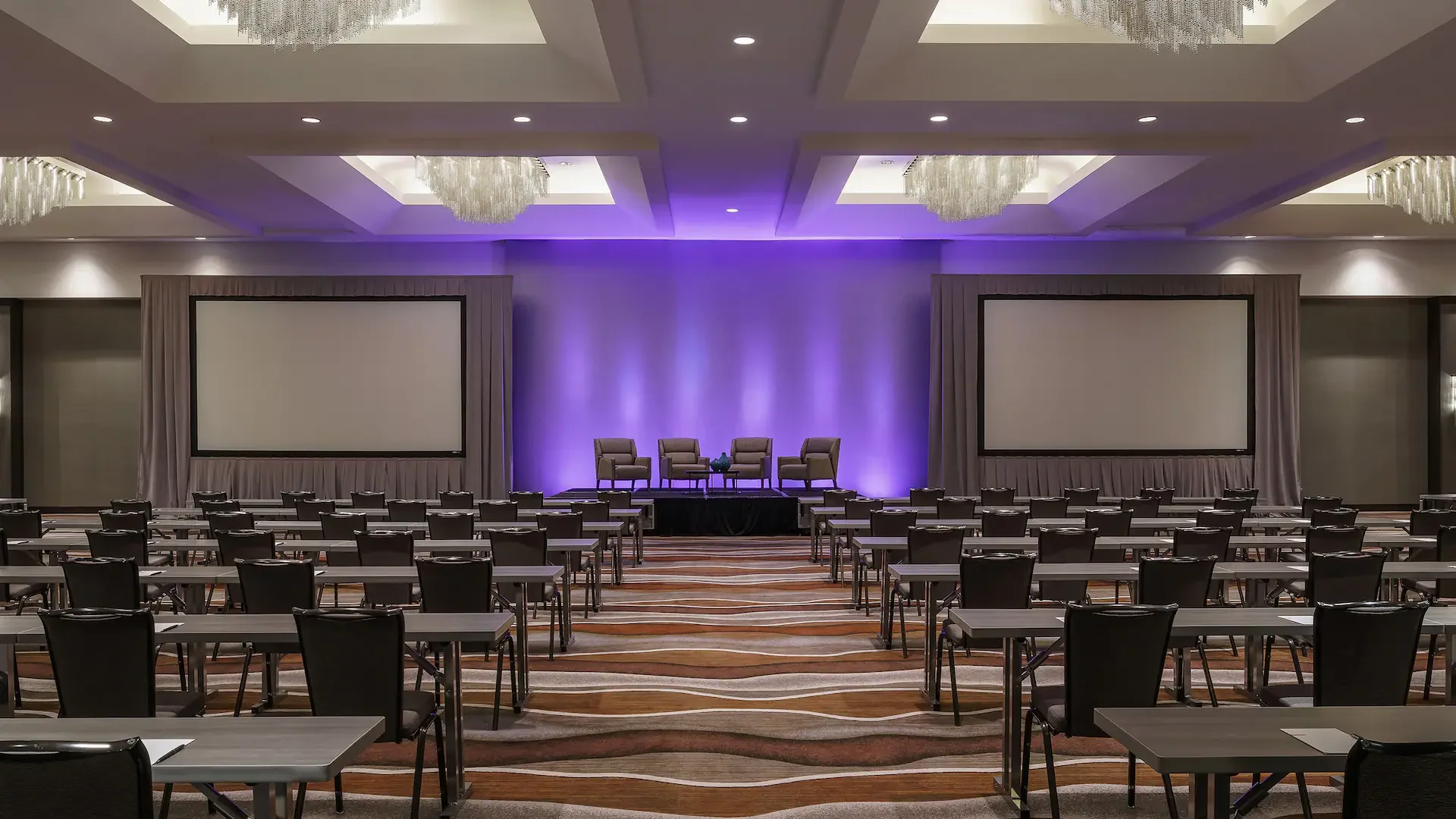


SHA’s 2026 Annual Conference will be held at the Grand Hyatt Denver Downtown, October 15–17, 2026. Known for its modern luxury, exceptional service, and top-tier location, the Grand Hyatt remains one of the highest-rated hotels in Downtown Denver. Located in the heart of the city, the hotel is just minutes from Union Station, Coors Field, the Colorado Convention Center, Michelin-starred restaurants, parks, nightlife, and boutique shopping. It’s also pet-friendly, making it a convenient and comfortable stay for all attendees.
Secure your room early at the Grand Hyatt Denver and enjoy the full conference experience onsite with the SHA community.
Become SHA Certified, Enroll Today!
Imagine completing your Certification in Sexology+ (including a personalized AASECT transcript/application), saving you hundreds of hours of time and money. You’ll also be gaining every CE you need, all supervision, SARs plus plenty more you haven’t even thought of yet. When you become SHA Certified, you’re not just checking boxes and doing the bare minimum; you’re going above and beyond while also joining a global community of sex therapists, educators, counselors, coaches, and medical practitioners who are shaping the future of sexology.
Instead of piecing together conferences one by one and hoping they align with International standards or the (US AASECT requirements), you can enroll in SHA’s Sex Therapy, Sexologist, Sexuality Counselor, Sex Educator or Sex and Relationship Coach Certification Program, where every training is intentionally curated, tracked, and streamlined to support your AASECT path. No guesswork. No overwhelm. Just a clear, supported journey from start to finish.
As an SHA Certified professional, you’ll gain:
Access to a thriving global community of practitioners and leaders
Expert faculty, mentorship, and guidance every step of the way
Exclusive SHA trainings, tools, and support you won’t find anywhere else
A complete, organized portfolio for international associations (including AASECT-aligned hours)
If you’re ready to take your sexual health education further—and become truly sexceptional—apply to become SHA Certified today. Your future clients (and your future self) will thank you. Apply HERE.
SHA 2026 annual sexological conference KEYNOTE SPEAKERS
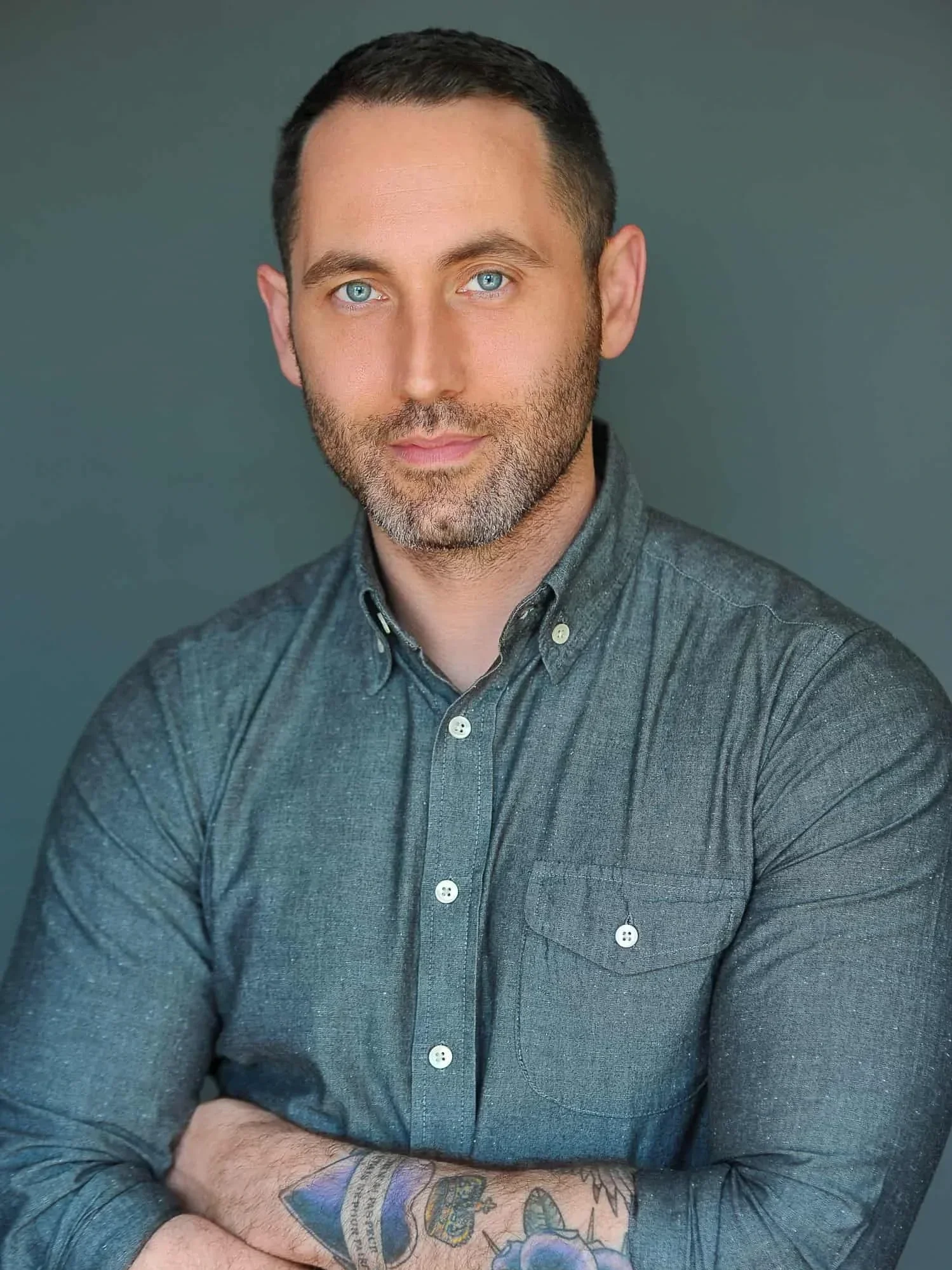
Chris Donaghue, PhD, LCSW, CST
Keynote speaker
Director of Clinical Education at SHA, Certified Sex Therapist, National Media Contributor, and International Expert on Authentic Sexuality and Diverse Relationships
Dr. Chris Donaghue is an international lecturer, therapist, and educator. Dr Donaghue is the Director of Clinical Education for The Sexual Health Alliance (SHA), host of the LoveLine podcast, weekly expert on “The Amber Rose Show”, and frequent co host on “The Doctors” tv show. He previously hosted WE tv’s “Sex Box”and Logo tv’s “Bad Sex”. He is published in various professional journals and top magazines, and has been featured on The Today Show, VICE, CNN, HLN, OWN, Nightline, Dr Drew and in Newsweek, New York Times, Daily Beast, Mens Health, Cosmo, and National Geographic. Author of the book, “Sex Outside the Lines: Authentic Sexuality in a Sexually Dysfunctional Culture”. Dr. Donaghue has lectured at prestigious Universities including USC, UCLA, and Princeton as well as being the keynote at various professional conferences such as Chicago Ideas Week, American Association for Sex Educators, Counselors, and Therapists (AASECT), and The Society for the Scientific Study of Sexuality (SSSS). Dr. Chris Donaghue is a Doctor of Clinical Sexology and Human Sexuality, Doctoral trained in Clinical Psychology, Licensed Clinical Therapist, a Certified Sex Therapist and a Certified Sexologist. Dr. Donaghue practices general psychology and specializes in individual and couples sex, relational, and marital therapy. His work also includes sexual compulsivity, sexual anorexia, sexual dysfunctions, and non-traditional sexuality, identities, and relationships. His work is also with diverse individuals, including all gender expressions, sexual orientations, and Kink/BDSM/Poly issues. His office is located in Los Angeles.

Ashley Winter, MD
KEYNOTE SPEAKER
Board-Certified Urologist, Fellowship-Trained Sexual Medicine Specialist, and Expert in Hormonal and Sexual Health Across the Lifespan
Dr. Ashley Winter is a board-certified urologist and fellowship-trained sexual medicine specialist with extensive experience caring for patients of all genders. In 2024, she joined the nationally recognized Rachel Rubin MD urology and sexual medicine practice, where she provides comprehensive care for sexual health, urinary health, pelvic floor disorders, and hormone optimization.
Dr. Winter treats patients of all genders experiencing sexual dysfunction and has a special interest in perimenopause and menopause care, low testosterone, erectile dysfunction, low libido, orgasm disorders, urinary tract infections, and pelvic floor dysfunction. She is a passionate advocate for vaginal estrogen as an essential treatment for genitourinary syndrome of menopause (GSM), genitourinary syndrome of lactation (GSL), and urinary tract health. She also works closely with onsite pelvic physical therapists to provide collaborative care for patients with pelvic floor dysfunction and chronic pelvic pain.
Dr. Winter earned her B.S. in Biomedical/Medical Engineering from Rutgers University before receiving her medical degree from Rutgers New Jersey Medical School. She completed her urology residency at Weill Cornell Medical Center, followed by a fellowship in male and female sexual medicine in San Diego, where she trained alongside Dr. Rachel Rubin.
Dr. Winter is passionate about caring for individuals and couples of all genders, believing that the capacity for intimacy is fundamental to helping people thrive. She currently lives in California with her husband and toddler.
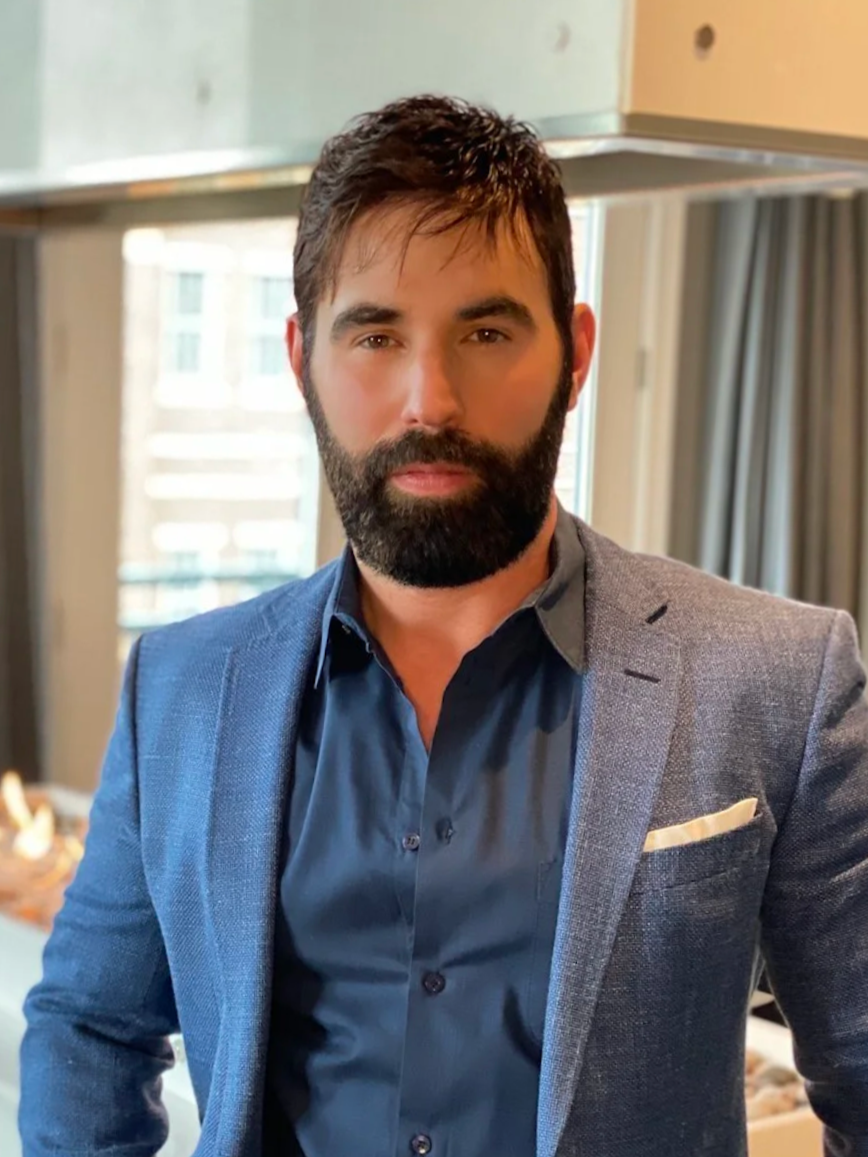
Justin Lehmiller, PhD
KEYNOTE SPEAKER
Kinsey Institute Research Fellow, Harvard Award-Winning Educator, and Author of Tell Me What You Want
Dr. Justin Lehmiller leads the Sexual Health Alliance Study Abroad program to Amsterdam, Berlin, Prague, Iceland, Barcelona and more coming soon. He received his Ph.D. in Social Psychology from Purdue University. He is a Research Fellow at The Kinsey Institute and author of the book Tell Me What You Want: The Science of Sexual Desire and How It Can Help You Improve Your Sex Life. Dr. Lehmiller is an award-winning educator, having been honored three times with the Certificate of Teaching Excellence from Harvard University, where he taught for several years. He is also a prolific researcher and scholar who has published more than 50 academic works to date, including a textbook titled The Psychology of Human Sexuality (now in its second edition) that is used in college classrooms around the world. Dr. Lehmiller's research focuses on topics including casual sex, sexual fantasy, sexual health, and friends with benefits. His studies have appeared in all of the leading journals on human sexuality, including the Journal of Sex Research, Archives of Sexual Behavior, and The Journal of Sexual Medicine.
Dr. Lehmiller has run the popular blog Sex and Psychology since 2011, and it now receives several million page views per year. He has been interviewed by numerous media outlets, including The Wall Street Journal, The New York Times, The Chicago Tribune, The Boston Globe, CNN, The Atlantic, The Globe and Mail, and The Sunday Times. He has been named one of 5 "Sexperts" You Need to Follow on Twitter by Men's Health and one of the "modern-day masters of sex" by Nerve. Dr. Lehmiller has appeared on the Netflix series Sex, Explained, he has been on several episodes of the television program Taboo on the National Geographic Channel, and he has been a guest on Dr. Phil. Dr. Lehmiller has also appeared on numerous podcasts and radio shows, including the Savage Lovecast, the BBC’s Up All Night, and several NPR programs (1A, Radio Times, and Airtalk).
He is a popular freelance writer, penning columns and op-eds for major publications, including The Washington Post, Playboy, USA Today, VICE, Psychology Today, Men’s Health, Politico, and New York Magazine. In addition, the articles he writes on Sex and Psychology have been syndicated on major websites, including Business Insider, Huffington Post, and Thought Catalog. He has also interviewed several prominent authors, journalists, and psychologists about their work for his blog and podcast, including Dr. Sanjay Gupta, Lisa Ling, Drs. John and Julie Gottman, and bestselling authors Christopher Ryan (Sex at Dawn) and Lisa Taddeo (Three Women).
Dr. Lehmiller has given talks around the world on sex, love, and relationships. He is available as an expert speaker and has experience consulting on legal cases, including taking the stand as an expert witness. Dr. Lehmiller has also worked with several major sexual health and wellness brands and is available as a spokesperson, as well as a media, marketing, and product development consultant.
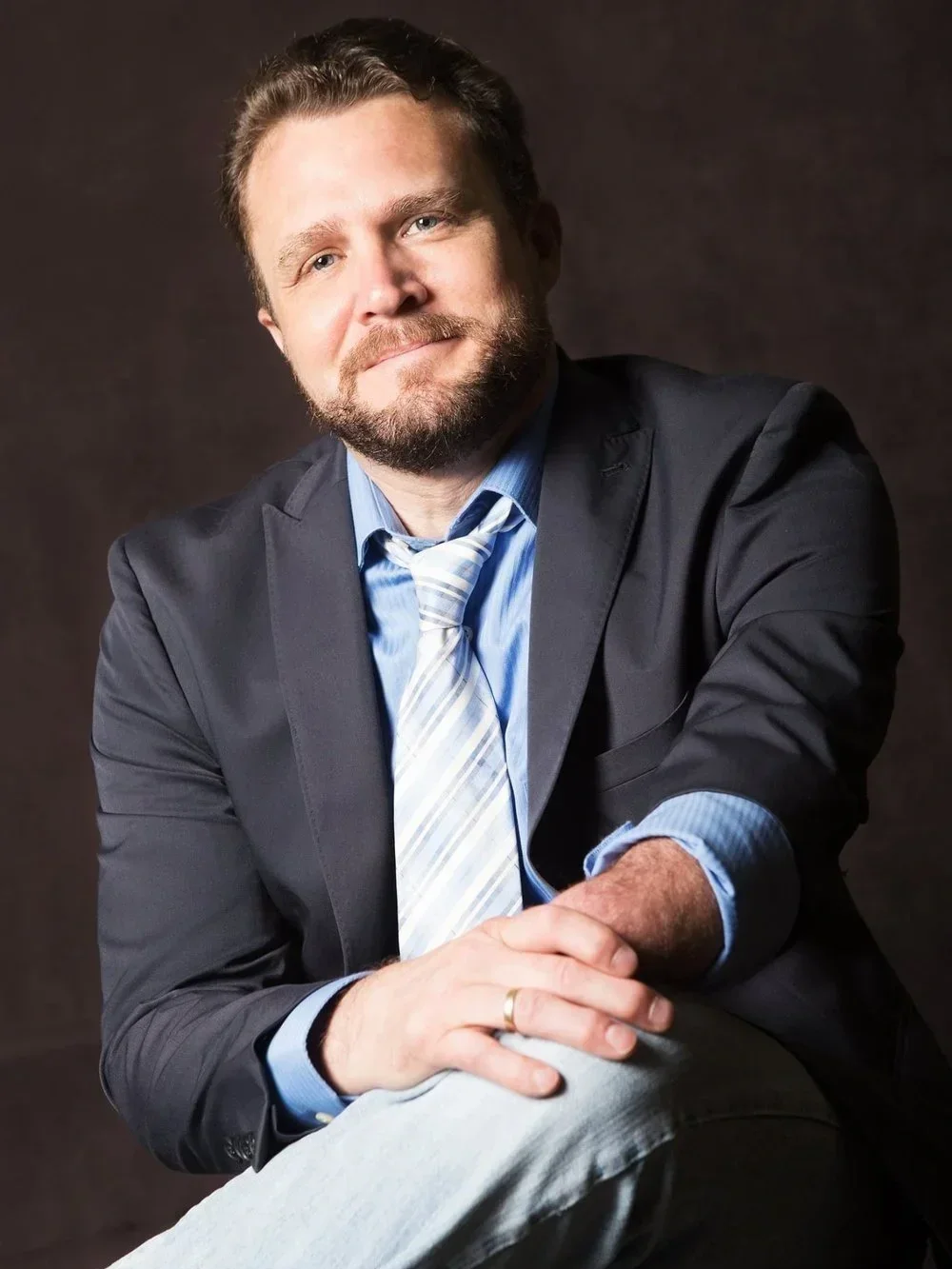
David Ley, PhD, CST-S
KEYNOTE SPEAKER
Clinical Psychologist, Author of The Myth of Sex Addiction, and National Thought Leader on Healthy Sexuality and Ethical Pornography
David Ley is a clinical psychologist in practice in Albuquerque, New Mexico. He earned his Bachelor's degree in Philosophy from Ole Miss, and his Master's and Doctoral degrees in clinical psychology from the University of New Mexico. Dr. Ley is licensed in New Mexico and North Carolina, and has provided clinical and consultative services in numerous other states. He is the Executive Director of New Mexico Solutions, a large outpatient mental health and substance abuse program in Albuquerque, NM. Dr. Ley also serves on the advisory board for the Sexual Health Alliance and leads SHA’s Sexual Attitude Reassessment or Adjustment (SAR) as well as SHA’s Advanced SARs in Mexico and Jamaica.
Dr. Ley has been treating sexuality issues throughout his career. He first began treating perpetrators and victims of sexual abuse, but expanded his approach to include the fostering and promotion of healthy sexuality, and awareness of the wide range of normative sexual behaviors. Insatiable Wives is his first book and won a Silver Medal in the Foreword Magazine Book of the Year contest for 2009. Dr. Ley wrote Insatiable Wives following two years of interviews with couples around the country. His controversial second book, The Myth of Sex Addiction was released in March 2012, challenging the concept of sexual addiction and exploring a different model of male sexuality. The Myth of Sex Addiction triggered a firestorm of debate, allowing people to finally challenge the media hype of this pseudo-disorder. His most recent book, Ethical Porn for Dicks, A Man's Guide to Responsible Viewing Pleasure has been a staple for any curious individual.
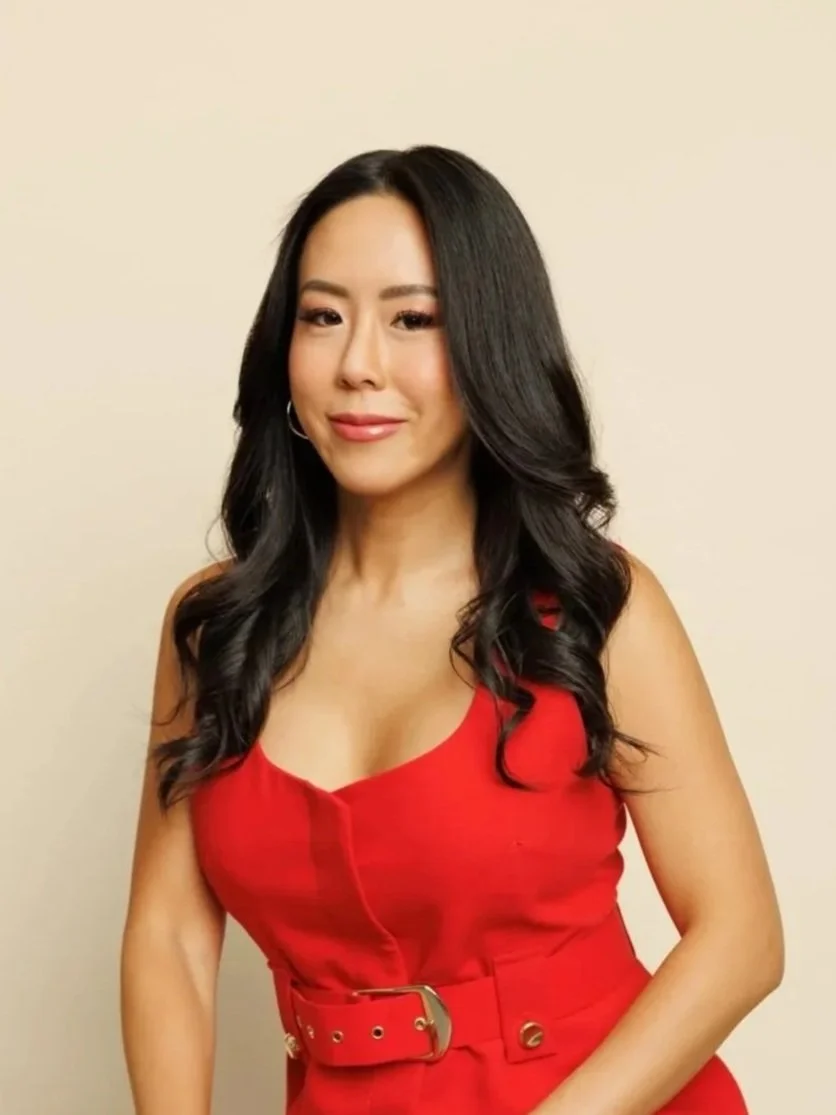
Tara Suwinyattichaiporn, PhD
KEYNOTE SPEAKER
Associate Professor and Global Thought Leader Bridging Sexual Health Research, Media Expertise with millions of Social Media Following
Dr. Tara Suwinyattichaiporn is an associate professor in the Department of Human Communication Studies teaching sexual and relational communication as well as quantitative research methods. As a prominent sex and relationship expert, her work can be seen in the media (KTLA news, CBS, Fox, Refinery29, Cosmopolitan, Forbes, etc.) and on social media platforms where she has cultivated over 2.3 million followers. This led Paper Magazine to coin her as 'The Internet's Resident Sexpert.' Dr. Tara is also an expert and host on UK's popular TV show 'Celebs Go Dating' and she gives advice in her monthly column on Women's Health Magazine called 'Sexplore with Dr. Tara.' Her passion is to create positive change wherever she goes, which is the reason why she wanted to establish the positive change scholarship awarding a student who creates positive change in their community, in-person and online.
Dr. Tara is the host and producer of her wildly popular podcast, Luvbites by Dr. Tara. Every week on Luvbites she guides you to explore your sexuality. Learn to develop habits for long-term sexual wellness and cultivate passionate and fulfilling relationships.

Shan Boodram, cse
ONLINE KEYNOTE SPEAKER
AASECT-Certified Sex Educator, Netflix Intimacy Expert, Best-Selling Author, MasterClass Instructor, and Leading Global Voice on Modern Relationships
Shan Boodram, widely known as “Shan Boody,” is an AASECT-certified sex educator, relationship expert, best-selling author, and media personality who completed her AASECT and sex education training through the Sexual Health Alliance. With a master’s degree in psychology and more than 15 years of experience as a public educator, Shan has transformed how millions of people understand intimacy, attraction, and modern relationships by making complex and often-taboo topics accessible, engaging, and grounded in practical insight.
Shan is best known as the resident intimacy expert on Netflix’s global hit series Too Hot to Handle. She is also the creator and instructor of the MasterClass The Art of Sex Appeal, host of the podcast Lovers by Shan, formerly Lovers and Friends, and the author of The Game of Desire and LAID: Young People’s Experiences with Sex in an Easy-Access Culture. Her distinctive combination of evidence-informed education, cultural insight, and candid storytelling has made her one of today’s most influential voices in sexual and relational wellness.
As Bumble’s sex and relationship expert, Shan has represented the brand through media appearances, educational content, and live events. She is also Chief Intimacy Officer and part owner of Arya, a platform helping couples cultivate creativity and connection, and has collaborated with leading wellness and lifestyle brands including Dame, Meta, Ray-Ban, and SKYN.
Her work has been recognized by prominent media outlets including TIME and Essence, while her digital education, television appearances, podcasts, books, and speaking engagements have empowered audiences around the world to better understand what they want and create more authentic, fulfilling intimate lives.
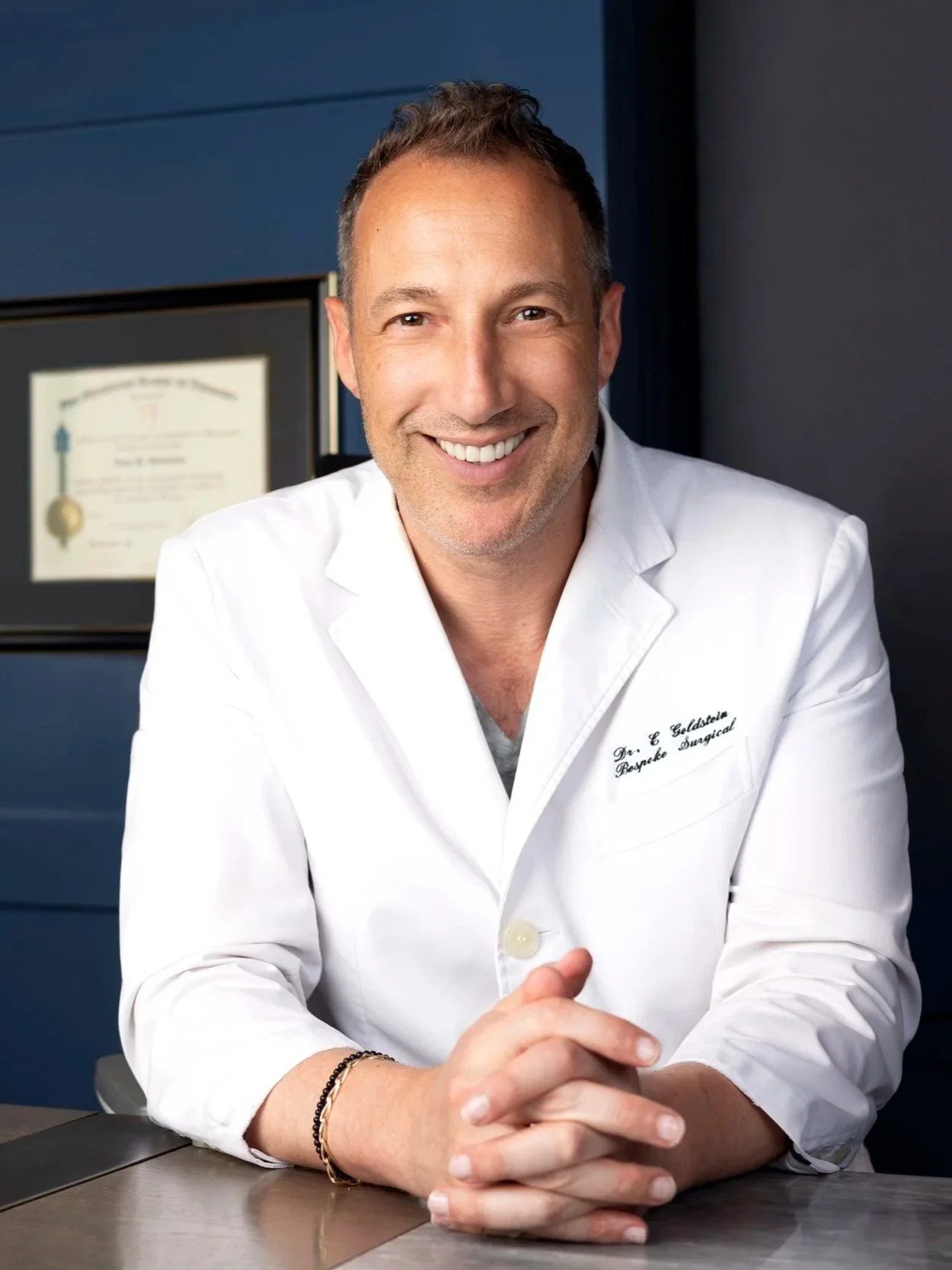
Dr. Evan Goldstein
ONLINE KEYNOTE SPEAKER
Renowned Anal Surgeon, Founder of Bespoke Surgical and Future Method, and National Leader in LGBTQ+ Sexual Health and Stigma Reduction
Dr. Evan Goldstein is a nationally renowned anal surgeon and the Founder and CEO of Bespoke Surgical, the leading private practice specializing in an elite standard of sexual health and wellness care in New York City. His practice caters to a wide range of clientele; however, the majority of his patients are LGBTQ+. Dr. Goldstein is also the Co-Founder of Future Method, an innovative sex care brand that is the result of Dr. Goldstein’s years of experience working with his clients and understanding their sexual needs which people from a wide spectrum of sexualities have embraced.
As the preeminent expert and thought leader in the field, Dr. Goldstein is committed to education and awareness not only bringing the important issues surrounding sexual health to the forefront but also eliminating the stigma attached to anal engagement. Relating to a wider audience, Dr. Goldstein leaves the medical jargon behind and communicates in a straight-forward, direct manner, breaking down taboos and allowing for more conversational and open discussions.
Dr. Goldstein has extensive experience educating and shedding light on healthcare issues relating to both the LGBTQ+ community and mainstream audiences. He is a frequent resource for journalists and has been published in many national media outlets including NBC.com, GQ, Well + Good, Men’s Health, Cosmopolitan, HuffPost, NY Magazine, Forbes, and many others. He was named one of New York City’s top LGBTQ+ business leaders by Crain’s New York in 2020. He maintains his own collection of essays relating to his practice and daily life on Medium.com, as well as a weekly IGTV series that covers familiar issues he sees at his practice, as well as user-submitted questions and topics.
Concurrent Session Presentations

-
Dr. Amy M. Pearlman is a board-certified and fellowship-trained urologist based in South Florida, specializing in male sexual and hormonal health, genitourinary reconstruction, and gender-affirming genital surgery. She co-founded the Prime Institute, where she offers comprehensive medical and surgical care for conditions such as erectile dysfunction, testosterone deficiency, penile curvature, and buried penis, alongside innovations in male cosmetic procedures like penile girth enhancement using hyaluronic acid fillers. A passionate educator, Dr. Pearlman collaborates with multidisciplinary providers and serves on the editorial boards of Urology Times and Therapeutic Advances in Urology, and is board-member for the Sexual Medicine Society of North America. Her mission centers on demystifying men’s sexual health, encouraging healthy behaviors, and empowering patients to live authentically with confidence and understanding.
Board-Certified Urologist, Co-Founder of the Prime Institute, and Expert in Male Sexual Health and Gender-Affirming Surgery
-
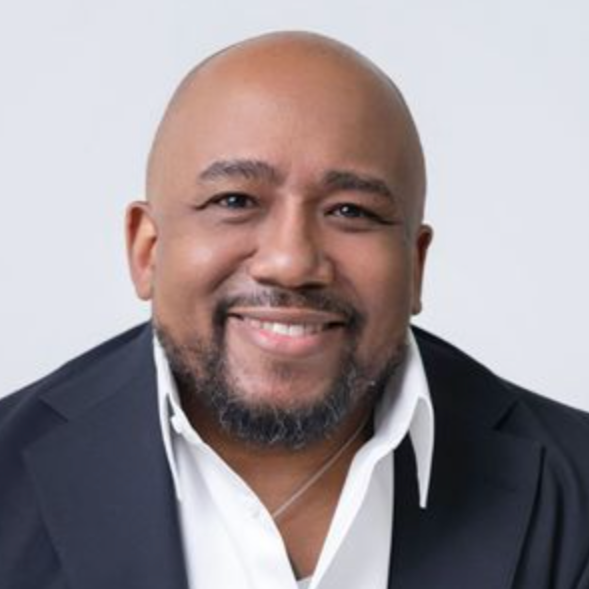
Kelvin graduated with a master’s in clinical psychology from the University of Alaska Anchorage in 2009. He has been a LPC supervisor for two years and he has been an AASECT certified therapist for 3 years.
Kelvin is the owner of KpaceCounseling, LLC where he serves clients in private practice. He does contract work with Full Spectrum Health as a behavioral health clinician where he works with an integrated care team delivering evidenced based care to persons of the LGBTQ+ community. Kelvin has worked for a local non-profit delivering mental health services to children and young adults that have suffered from complex trauma. With a firm foundation in trauma, he delivers trauma informed sex positive therapy to his clients. Kelvin provides services to couples and individuals dealing with sexual or relationship issues that include low desire, anxiety surrounding sex, and infidelity. His current focus is on mindfulness based interventions to manage sexual concerns and he works with persons that are either in or looking to explore non-traditional relationship orientations that fall under the umbrella of consensual/ethical non-monogamy.
Trauma-Informed Sex Therapist Specializing in LGBTQ+ and CNM Clients
-
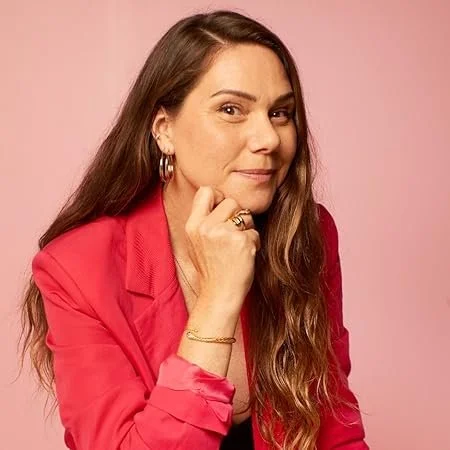
Erika Lust is an award-winning filmmaker, writer, entrepreneur, and founder of ERIKALUST, a pioneering studio that has shaped contemporary erotic cinema for more than two decades. Her consent-centered work explores pleasure and human connection through inclusive, visually rich storytelling and includes groundbreaking projects such as XConfessions and the porn-literacy initiative The Porn Conversation. Recognized by The New York Times, The Guardian, Vogue, and Elle, Erika also champions safer production standards and supports underrepresented filmmakers, with ERIKALUST having backed 94 guest directors and 460 guest-directed films.
Founder of ERIKALUST, Award-Winning Filmmaker, and Pioneer in Consent-Centered, Inclusive Erotic Cinema
-
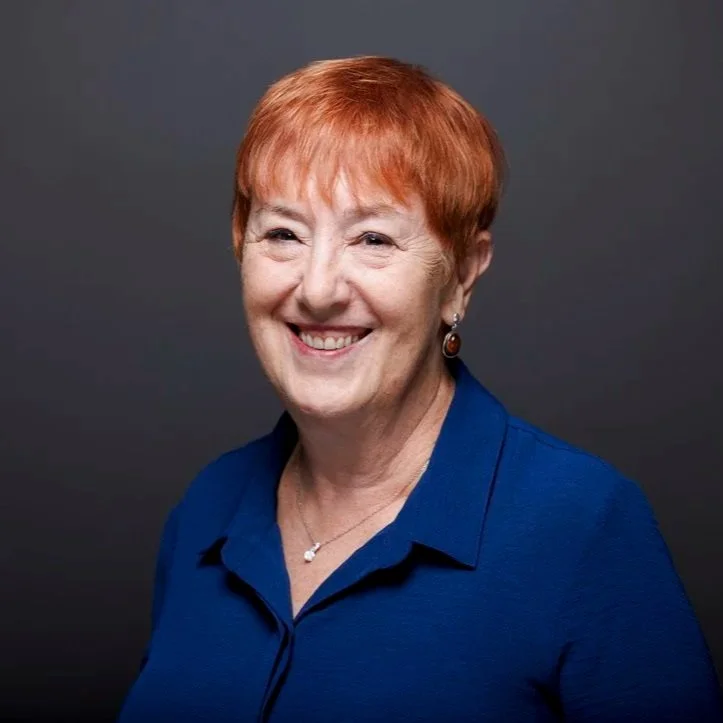
Cynthia Graham is currently a Senior Scientist at the Kinsey Institute and a Professor of Gender Studies at Indiana University Bloomington. She has been Editor-in-Chief of the Journal of Sex Research since 2009. Her current research focuses on male condom use, hormonal contraceptives, women’s sexuality, women’s sexual pleasure, sexual problems and sexual health among older adults.
She has been a member of the Kinsey Institute Condom Use Research Team since 2000. Her research has been funded by the UK Medical Research Council and the National Institute of Health Research.
Cynthia was a member of the DSM-5 Workgroup on Sexual and Gender Identity Disorders. In 2023, she won the Masters and Johnson Award from the Society for Sex Therapy and Research. In 2016 she was awarded the Distinguished Scientific Achievement Award and in 2019 the Distinguished Service to SSSS Award by the Society for the Scientific Study of Sexuality. In 2009 she was elected president of the International Academy of Sex Research.
Senior Scientist at the Kinsey Institute, Professor of Gender Studies, and Leading Researcher in Sexual Health and Women's Sexuality
-
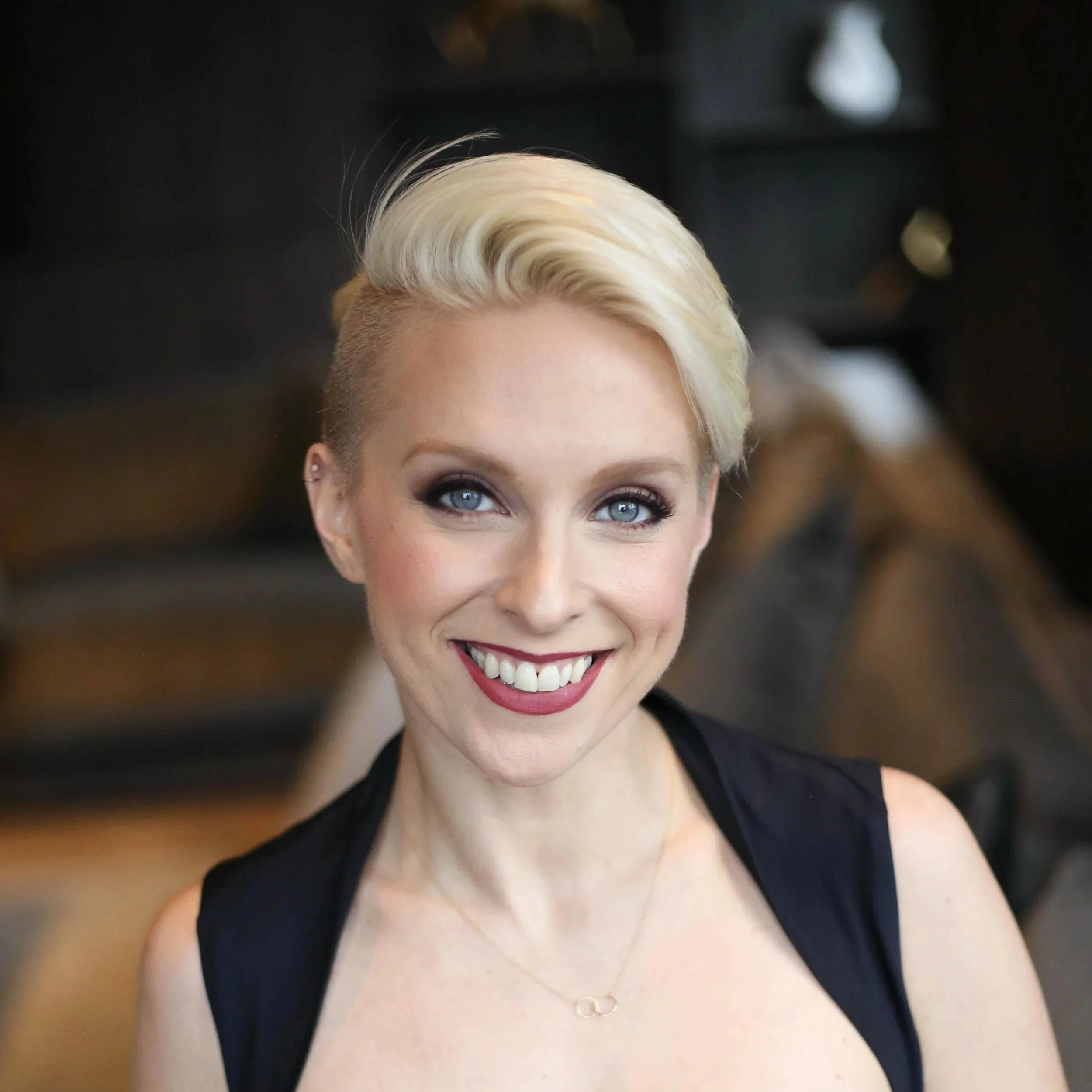
Caitlin V is a globally recognized sexuality educator, coach, and content creator whose work has transformed the way individuals—and entire industries—approach intimacy and relational wellness. With over 850,000 YouTube subscribers, 140 million video views, and 15,000+ enrolled students, she has built a digital empire rooted in education, empowerment, and business-savvy storytelling.
Her influence extends far beyond the screen. Caitlin has been featured on Max, TLC, Discovery+, TEDx, The Oprah Magazine, and Cosmopolitan, offering mainstream audiences a refreshing, unapologetic perspective on topics that matter. As a certified coach and Master of Public Health, she merges academic expertise with real-world insight to create programs and platforms that resonate with today’s learners and leaders alike.
Caitlin is also the author of an upcoming book that redefines male sexuality and challenges outdated narratives about modern masculinity. Through her signature blend of humor, depth, and strategic content creation, she helps men unlock confidence, clarity, and connection—not only in the bedroom, but in life and business.
Globally Recognized Sexuality Educator, Master of Public Health, and Expert in Male Sexuality, Intimacy, and Modern Masculinity

-
Norma Buster is Chief of Staff at C.A. Goldberg, PLLC, a victims rights law firm in Brooklyn, NY, where she oversees business operations, marketing, and client relations. In her years at the firm, Norma has listened to, processed, and translated the stories of thousands of victims of sexual, domestic, and tech-facilitated abuse. Norma’s career stemmed from a personal experience—at 19, she became the victim of stalking and image-based sexual abuse by her ex-boyfriend.
Norma’s commitment to empowering others to demand justice for themselves goes beyond her work at the firm. She is the creator and host of the podcast Oral Arguments, where she has candid conversations with others doing significant work at the intersection of sex, tech and victims’ rights. Her advocacy and activism around the fight for sexual privacy rights have led Norma to attending events at the White House, championing major legislation, and sharing her own lived experience as a survivor and adult content creator to push for reform. Norma is also a member of the inaugural Board of Directors for MyOwn Image, a nonprofit organization with a mission to combat image-based sexual abuse and other forms of technology-facilitated gendered violence.
Chief of Staff at C.A. Goldberg, Victims’ Rights Advocate, and Expert in Sexual Privacy and Tech-Facilitated Abuse
-
Michelle Melville-Kashon is the Community and Content Director at Sexual Health Alliance (SHA), a global hub for sexual health education and sexuality leaders. She holds a Master’s Degree in Rehabilitation Counseling from Maryville University in St. Louis, Missouri, and brings a strong foundation in mental health counseling, social services, and teaching to her work in the field of sexual health. Michelle is passionate about supporting students and professionals as they build meaningful, transformative careers through SHA’s innovative programs.
Community and Content Director at Sexual Health Alliance, Rehabilitation Counselor, and Sexual Health Educator
-
Dr. Traci A. Kurtzer, MD (she/her), is a board-certified obstetrician-gynecologist with over 30 years of clinical experience. Until her retirement from academic medicine in 2025, she was a Clinical Assistant Professor in the Department of Obstetrics and Gynecology at Northwestern University Feinberg School of Medicine. Dr. Kurtzer is nationally recognized for her expertise in trauma-informed gynecologic care, menopause management, sexual medicine, and addressing the health impacts of interpersonal violence, sexual assault, and medical trauma. While at Northwestern Medicine she was the lead clinician for the Center for Sexual Medicine and Menopause for over five years. In that role, she started the first trauma-informed gynecologic clinic in Chicago dedicated to post sexual assault care and providing specialized services for patients dealing with the sequelae of interpersonal violence and trauma from past medical care.
Dr. Kurtzer is a frequent speaker on topics including gender-based violence, menopause, sexual health. She is a past president of the Chicago Gynecologic Society, past co-chair of the Cook County Human Trafficking Taskforce Healthcare Committee and the immediate past president of the Physicians Against the Trafficking of Humans (AMWA-PATH). She has been recognized at the state and local level for her efforts to reduce community violence, particularly gender based violence. Due to these efforts and her commitment to advancing women’s healthcare she was honored with two national Women’s Health Awards by the National Organization for Women (NOW) in 2022 and the American Medical Women’s Association (AMWA) in 2024. She now serves as the Medical Director for Trauma Informed Solutions for Healthcare (www.TISH.care) through which she continues to advance trauma-informed practices through advocacy, education, and policy development.
Throughout her career, Dr. Kurtzer has dedicated herself to providing compassionate service and specialized care for patients with complex needs, including those with sexual dysfunction and medical trauma, as well as menopausal care for patients with challenging medical comorbidities. Due to her focus on complex, trauma-informed menopausal patient care, she won the Menopause Certified Practitioner of the Year award in 2019 from the North American Menopause Society. She is committed to improving health outcomes for midlife women using evidence-based, trauma-informed practices and providing service to medically complex patients and those with limited access to medical care as a Clinical Advisor for Alloy.
Medical Director for Trauma-Informed Care and Education at Northwestern, Clinical Assistant Professor, and Expert in Trauma-Informed Gynecologic Care

-
Rachel Zar, PhD, LMFT, CST is a Licensed Marriage and Family Therapist, AASECT-Certified Sex Therapist, and Clinical Sexologist who specializes in relationship and sex therapy. She holds a Masters of Science in Marriage and Family Therapy from The Family Institute at Northwestern University and a PhD in Clinical Sexology from Modern Sex Therapy Institutes. She also holds certificates in sex therapy and sexuality education from University of Michigan.
Dr. Zar sees individuals and couples and provides clinical supervision at Avid Intimacy, a private group therapy practice in Chicago.
While all sexual or relational concerns are welcome in her office, Dr. Zar specializes in working with those experiencing sexual functioning issues including painful sex (vulvodynia, vaginismus, etc.), difficulty with or inability to orgasm, or low or diminished libido.She worked for many years at the Center for Sexual Medicine and the Center for Menopause, gynecologic subspecialty groups that are part of Northwestern Medicine, and her PhD dissertation focused on the lived experience of chronic genito-pelvic pain. She also specializes in supporting clients who are working toward a better understanding of their sexual selves, who are navigating dating distress, who are healing from past trauma, or who seek guidance about forming and maintaining relationships. For clients working on general anxiety, major life transitions, or other relational issues, she offers a sex-positive and sex-inclusive approach.
Dr. Zar is proudly an LGBTQ-, kink-, and poly- affirmative clinician. Dr. Zar is passionate about educating and mentoring other clinicians, and she frequently lectures, writes, and provides expert interviews for the media on myriad sex and relationship topics.
AASECT-Certified Sex Therapist, Clinical Sexologist, and Expert in Sexual Functioning, Pelvic Pain, and Relationship Therapy
-
Jen Meyer is the owner and founder of Jen Meyer Therapy, LLC, a private therapy practice in the Cherry Creek neighborhood of Denver, Colorado. As a highly sought-after sex therapist who works with a wide variety of concerns related to sex, intimacy and relationships, Jen strives to provide every client with effective therapy treatment in an affirming and compassionate environment that gives them the greatest opportunity to travel the path towards their best self.. As a highly-motivated professional dedicated to perfecting her craft, Jen travels frequently to obtain training on the latest therapy tools and trends from the best and most well-known minds in the sex therapy world. She is also active within and has been asked to present to various profession organizations both locally and nationally that help maintain her integrated network of healthcare professionals for her clients benefit, including the following: Sexual Health Alliance (SHA), American Association of Sexuality Educators, Counselors and Therapists (AASECT), American Association of Marriage and Family Therapists (AAMFT), Denver Sexual Medical Alliance (DSMA) and Colorado Association of Marriage and Family Therapists (COAMFT). Jen has also pursued a number of professional certifications along the way, including her CST, LMFT and LPC. She obtained a Masters of Art (MA) in Counseling from Oakland University, a fully accredited program by the Council for the Accreditation of Counseling and Related Educational Programs (CACREP), and has completed a Sexual Health Certificate Program. Jen takes pride in being surrounded by some of the best sexologists and healthcare professionals in her field, many of whom continue to be dear friends, along with many others who continue to inspire her and make her a better person and therapist.
Certified Sex Therapist, Licensed Marriage and Family Therapist, and Founder of Jen Meyer Therapy

-
Nicoletta Heidegger is a Licensed Marriage and Family Therapist (#110256) and award nominated Sexologist practicing in Los Angeles, California. She specializes in sex therapy as well as Equine Assisted Psychotherapy (EAP). Nicoletta received her BA in Psychology from Stanford University, her MA in Clinical Psychology from Pepperdine University, and her Masters of Education in Human Sexuality from Widener University. She sees therapy clients (CA residents only) virtually and at her unique ranch office in Los Angeles. She also provides coaching, consulting, education, and retreats to folks around the world. When not seeing clients, Nicoletta creates weekly content via her hit show Sluts and Scholars: a sex positive, shame-free, educational podcast for professionals who prioritize pleasure. Nicoletta contributes regularly to a variety of columns, podcasts, classrooms, and blogs about sex, relationships, and mental health.
Licensed Marriage and Family Therapist, Sexologist, and Host of Sluts and Scholars Podcast
-
Jamie Monahan is an award-winning filmmaker, director, actress, and certified intimacy coordinator. Jamie completed IDC’s Intimacy Coordinator training, fostering intimate, safe spaces for performers. She is currently listed on the SAG-AFTRA Intimacy Coordinator Pre-Registry. Jamie has worked on 80+ productions as an intimacy professional across mediums.
Award-Winning Filmmaker, Certified Intimacy Coordinator, and Expert in Safe and Authentic On-Screen Intimacy
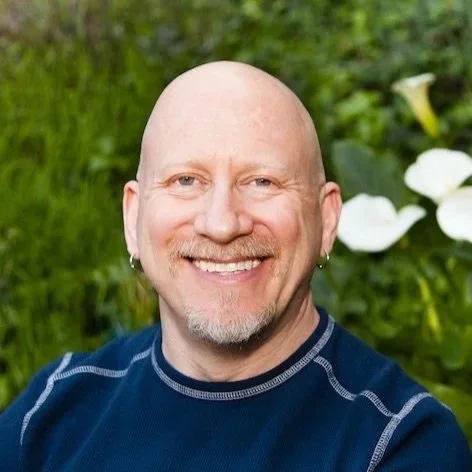
-
Charlie Glickman PhD is a sex & relationship coach, a somatic sexuality educator, a sexological bodyworker, and an internationally-acclaimed speaker. He’s been working in this field for over 35 years, and some of his areas of focus include sex & shame, sex-positivity, queer issues, masculinity & gender, communities of erotic affiliation, and many sexual & relationship practices. Charlie is also the co-author of The Ultimate Guide to Prostate Pleasure: Erotic Exploration for Men and Their Partners. In February 2023, Charlie completed an accountability process to address the ways he abused his power as a sexuality professional. For more info about that or to learn about his coaching offerings, visit www.makesexeasy.com
Sexuality Educator, Sexological Bodyworker, and Internationally Recognized Expert on Sex-Positivity, Shame, and Queer Intimacy: Author of The Ultimate Guide to Prostate Pleasure
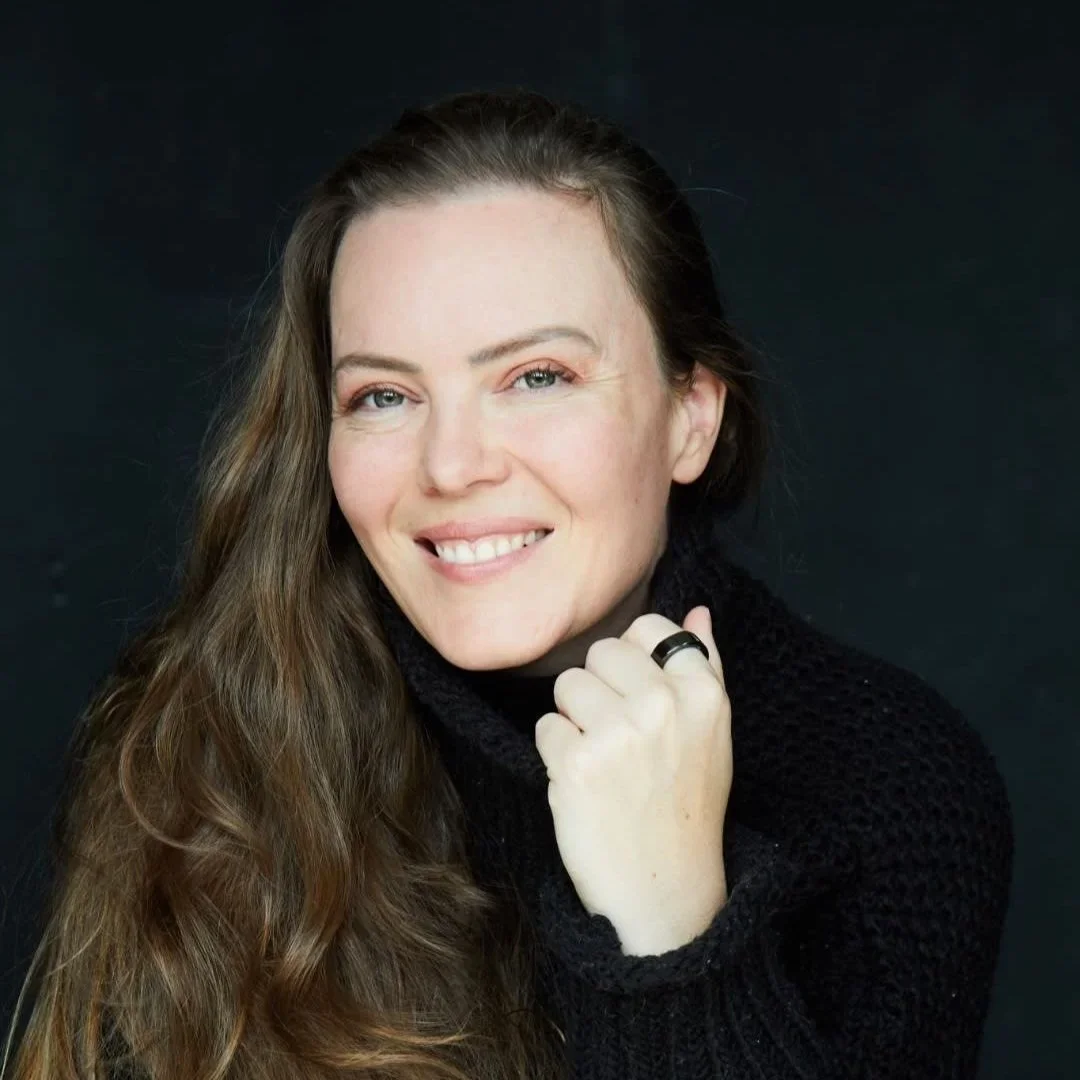
-
Rachel Rowlatt (she/her) is a Process-Oriented Psychotherapist, Sexologist, and Integrated Wellbeing Specialist who weaves science, spirituality, and somatic intelligence into trauma-informed care. With formal training in psychotherapy, counselling, forensic science, somatic therapy, and sacred sexuality, she bridges clinical insight with mystic intelligence, offering deeply grounded yet expansive spaces for healing and transformation.
Rachel’s work draws on Process-Oriented Psychology (Processwork), sexology, Taoist and Tantric traditions, breathwork, and body-based psychotherapy to support individuals and couples navigating trauma, grief, intimacy, and relational disconnection. Her approach integrates dreambody awareness, shadow work, archetypal energies, movement, and voice to restore erotic vitality, emotional safety, and embodied wholeness in both solo and partnered contexts.
She holds a Bachelor of Science, a Postgraduate Certificate in Forensic Science, an Advanced Diploma in Leadership and Management, and a Postgraduate Advanced Diploma in Trauma-Informed Processwork Psychotherapy. She is also a certified breathwork instructor and trained Tantric practitioner.
Rachel’s lived experience as a proud Aboriginal woman with disability informs her intersectional, decolonial, and inclusive approach to therapy and education. A former crime scene investigator, she brings forensic sensitivity to the emotional and energetic layers of healing. She works across individual and group therapy, couple and relationship work, creative expression, and education. She is the creator of Follow the White Rabbit podcast and the poetry/art project The Sapphic Rebellion.
Whether guiding a client, working with a couple, facilitating ritual, or speaking on stage, Rachel meets people at the edge of their becoming—with curiosity, care, and radical presence.
Process-Oriented Psychotherapist, Sexologist, and Expert in Trauma-Informed Somatic and Integrative Sexuality Care
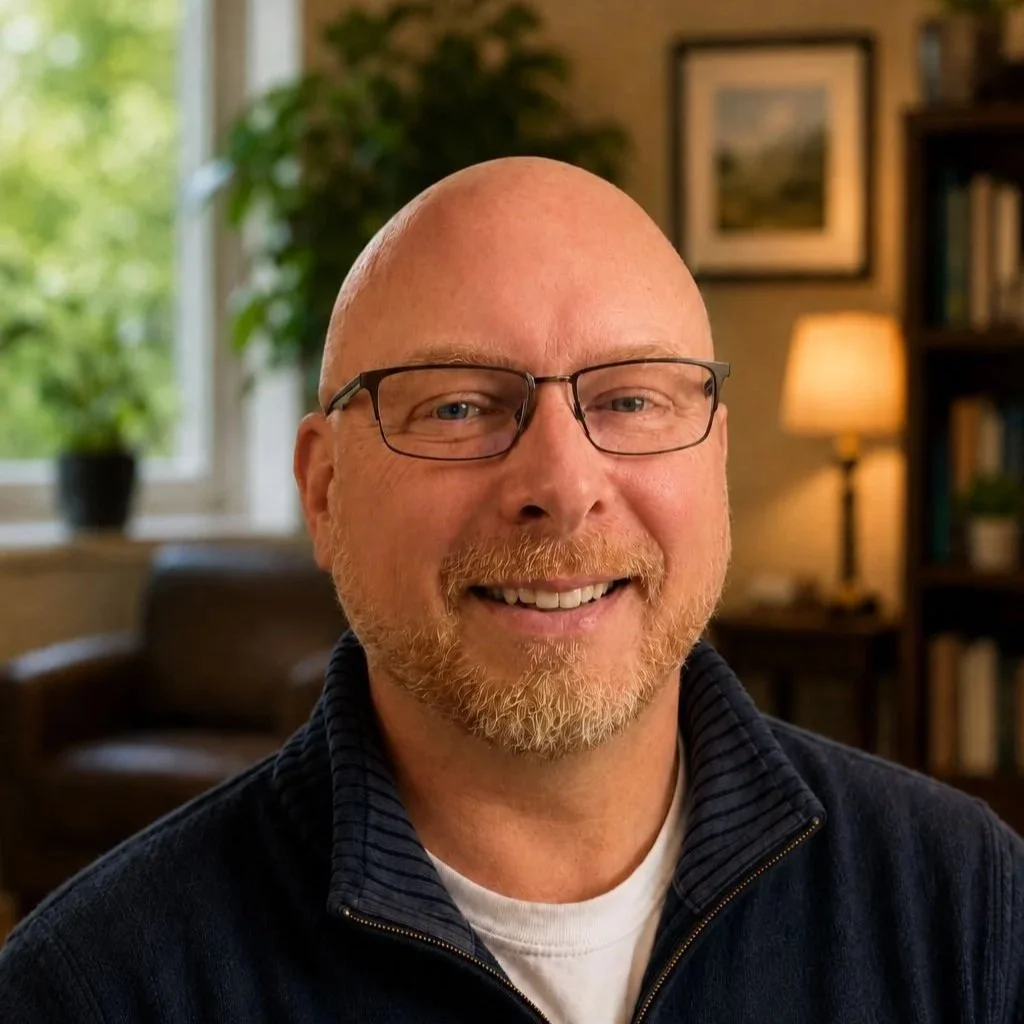
-
Dr. Ryan Kent is a licensed clinical consultant, certified sex therapist, educator, and founder of Afterglow Behavioral & Sexual Health. He is the author of the weekly blog "In the Know With Afterglow" and provides national sexual health consultation and training to clinicians across the United States. As the developer of the Wabi-Sabi Body Framework, Dr. Kent focuses on body acceptance, resilience, and sexual confidence. He specializes in helping individuals and couples navigate how chronic medical and health conditions impact sexual pleasure, intimacy, and connection, offering practical, inclusive strategies to overcome barriers and reclaim fulfilling sexual well-being.

-
Tom Bruett, LMFT, CST is a sex and relationship therapist, trainer, consultant, and author who works extensively with the queer community. He is the founder of the Queer Relationship Institute, which provides therapy for queer folx and training for therapists who work with queer relationships. Tom has trained under Drs. Ellyn Bader and Peter Pearson in the Developmental Model of Relationship Therapy, which he now trains other therapists in. His book The Go-To Relationship Guide for Gay Men: From Honeymoon to Lasting Commitment is published by JKP. Tom has been on multiple podcasts including Happy, Healthy Homo, Sex and Psychology with Justin LehMiller and The Couples Therapist Couch. On his podcast, The Gay Relationship Podcast, he interviews experts in the field on topics relevant to gay and queer relationships. He’s also an accomplished speaker and presenter and has spoken at national conferences like ASSECT. In his downtime, he loves theatre, travel, and collaborating with his partner to keep their rescue dog, Millie, from causing too much mischief. Instagram: @QueerRelationshipInstitute, YouTube: @QueerRelationshipInstitute, Website: www.QueerRelationshipInstitute.com
Licensed Clinical Practitioner, Certified Sex Therapist, and Expert in Chronic Medical Conditions, Body Acceptance, and Sexual Well-Being
Licensed Marriage and Family Therapist, Certified Sex Therapist, Founder of the Queer Relationship Institute, and Expert in Queer Relationships
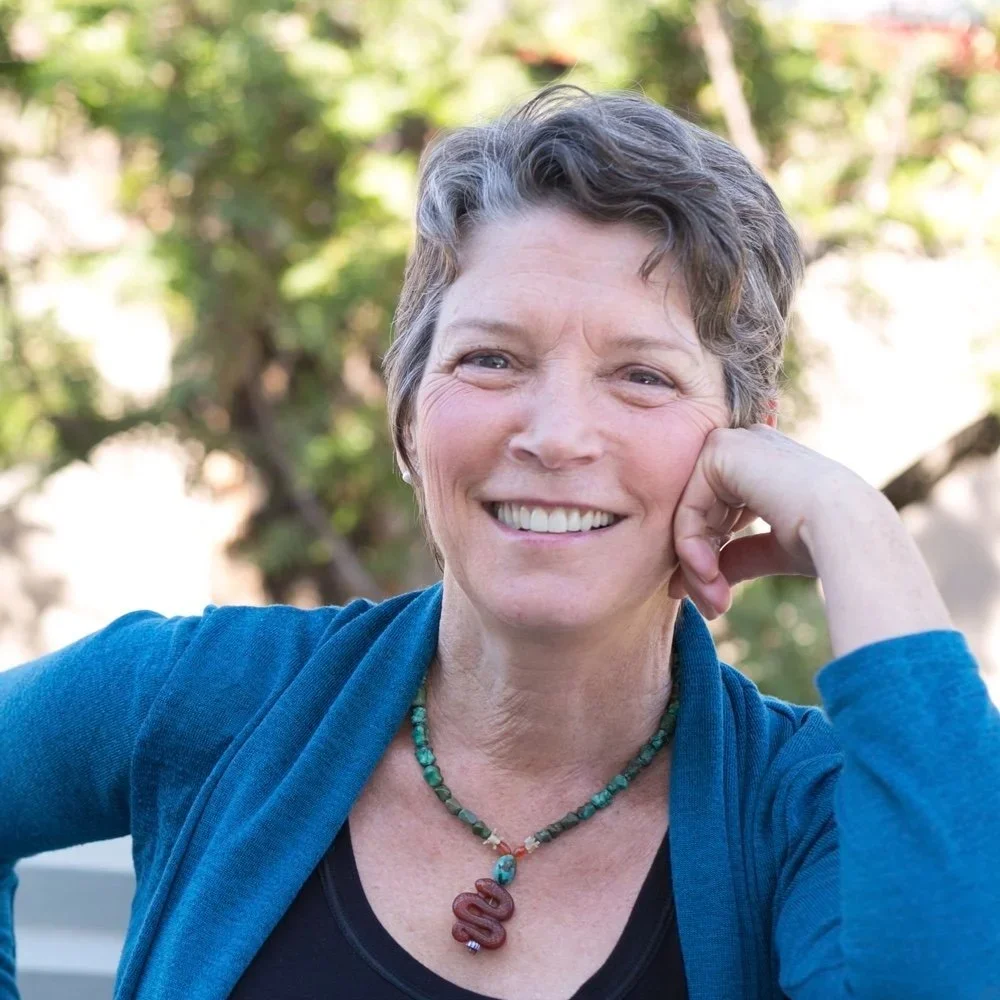
-
Dr. Betty has had her hands on people professionally for 40 years (some of it legal and some of it questionable). 30 years as a Chiropractor and then 15 years as a certified Surrogate Partner and Somatic Sex Educator. These days her passion is training other hands-on practitioners in consent skills and how to teach their clients empowered choice - so they can stop doing what they think they are supposed to do, and start doing what it is they want to do. Her class for practitioners is called Like a Pro and it has taken her all over the world. Her book is The Art of Receiving and Giving: The Wheel of Consent. www.wheelofconsentbook.com.
Creator of the Wheel of Consent, Somatic Sex Educator, and Former Chiropractor Specializing in Consent and Embodied Connection

-
Dr. Nicole is a dynamic and internationally recognized thought leader, with deep expertise in sexuality, sensuality, and aging. She combines this expertise with her formal training as a Dominatrix. She is the Founder and CEO of SexySmart Aging™ with the mission to transform paradigms around the current anti-aging narratives. Dr. Nicole emphasizes erotic empowerment, pleasure, and vibrant living. She is an educator, speaker, coach, and writer with extensive training in lifespan health, gerontology, and human sexuality. She has three degrees from the University of Southern California, including 2 in Gerontology (BS and MS) and a PhD. She works with clients all over the globe, supporting them to feel powerful and sexually confident at every age. She uses her professional training as a Dominatrix to inform her coaching and teaching in her signature course: Inner WisDomme. The mission of her SexySmart Aging™ philosophy is combine the Science of Longevity with the Art of Sensual Living. She is skilled in guiding midlife women toward sexual empowerment, self-confidence, and pleasure-filled living. You can find her at home in Los Angeles, soaking in the sensuality of Sicily, or hiking around the world.
Founder and CEO of SexySmart Aging™, Expert in Sexuality, Sensuality, and Aging, and International Speaker and Educator
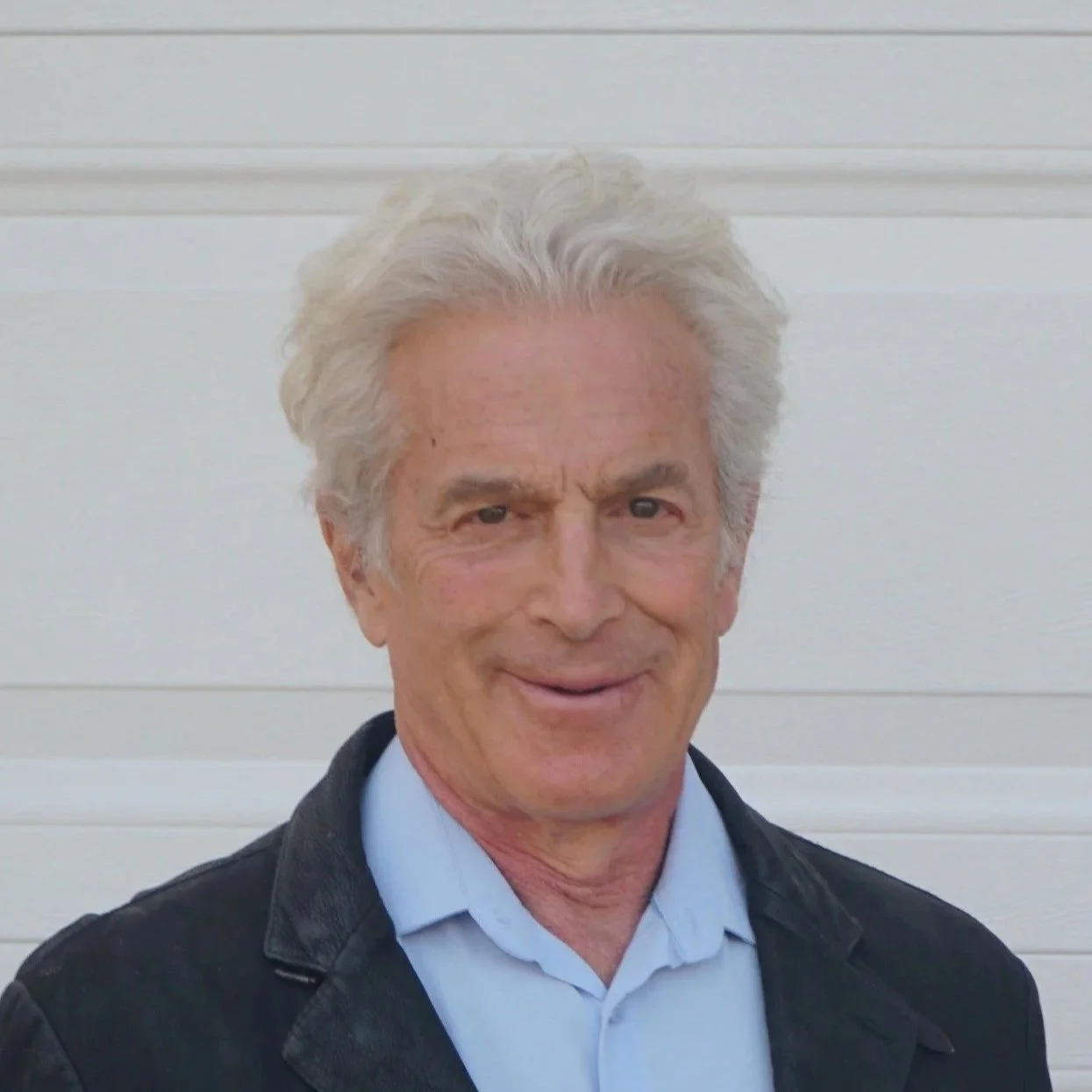
-
Dr. Elliot Justin is a board-certified Emergency Medicine specialist and Fellow of the American College of Emergency Physicians (FACEP) with over three decades of clinical and entrepreneurial experience. He is the founder and CEO of FirmTech, the world’s first sex-tech company dedicated to enhancing men's erectile fitness and cardiovascular wellness via innovative wearable devices like the Tech Ring and Performance Ring. Driven by a long-standing passion for playful lovemaking and its health benefits, Dr. Justin combines his expertise in urology, diabetes, and regenerative medicine to transform sexual wellness with science-based, discreet technology solutions. His pioneering work has earned FirmTech recognition—including top honors at CES and the XBIZ Awards—and is fueling expansion into women’s sexual health.
Founder and CEO of FirmTech, SexTech Innovator, and Expert in Data-Driven Sexual Medicine
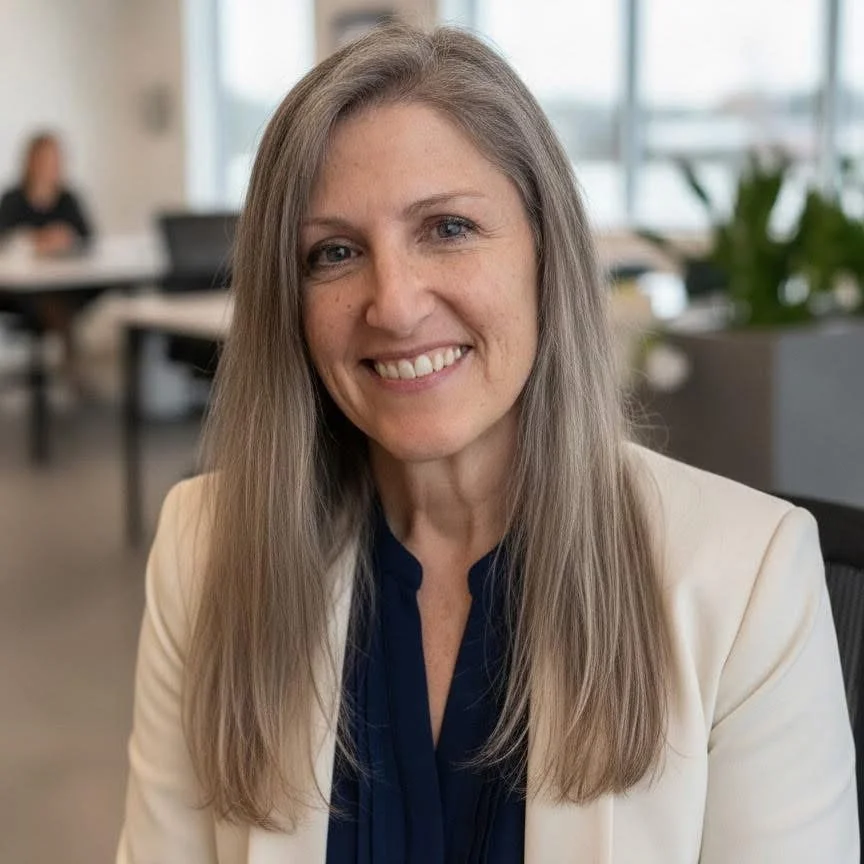
-
Melinda Porter, LPC-S, AASECT Certified Sex Therapist-Supervisor (CST-S), and Certified Consensual Non-Monogamous Therapist (C-CNMT), is the owner of Redefined Intimacy Therapy in Frisco, Texas, and provides telehealth services in Colorado. With nearly 15 years of clinical experience, she supports individuals, couples, and polycules through a sex-positive, trauma-informed lens, integrating EMDR and relational approaches. Melinda is a supervisor for individuals and groups with Sexual Health Alliance and is pursuing her PhD in Clinical Advanced Sexology at The Institute at SHA. Her work focuses on the ways modern life—especially remote work and “always-on” online marketing—can tax the nervous system, fragment attention, and quietly drain intimacy. She teaches developmental, integrative processes that help people move from coping and performing to embodied presence, relational attunement, and values-aligned connection.
AASECT Certified Sex Therapist-Supervisor, Founder of Redefined Intimacy Therapy, and Expert in Trauma-Informed Relationships and Consensual Non-Monogamy
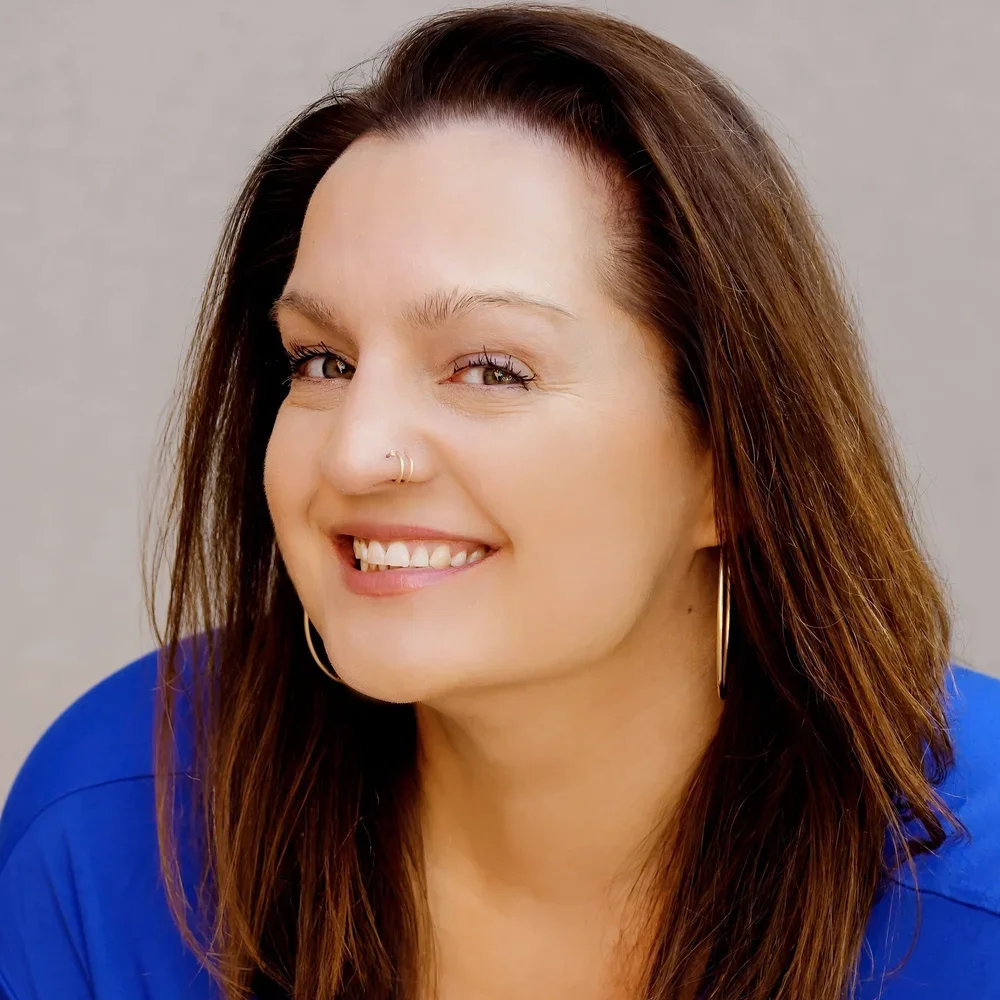
-
Lindsay Thorsen, PT, DPT is a Doctor of Physical Therapy specializing in pelvic floor physical therapy—think physical therapy for your private parts. She began her career in the hospital setting but transitioned to pelvic health early in the pandemic, where she quickly noticed a startling pattern: most of her patients—primarily vagina owners—had never been taught how their bodies worked. And it showed. That realization lit a fire in her, fueling her mission to bridge the gap between pelvic health and sexual literacy.
Now deep in training to become a nationally certified sex educator through the Sexual Health Alliance, Lindsay blends anatomy, neuroscience, and cultural critique with humor and compassion. She’s the creator of Sex and Sensibility, a platform where science and pleasure come together.
Her work focuses on painful sex, pelvic floor dysfunction, desire and arousal myths, and giving clients the tools to feel at home in their bodies again. Whether she’s working with patients, speaking at conferences, or reframing a tired cultural script, Lindsay’s goal is always the same: to make conversations about sex feel less clinical, less shame-filled, and a lot more human.
When she’s not deconstructing sex myths or helping someone release their pelvic floor, Lindsay is knee-deep in Sex School (a.k.a. SHA’s educator program), usually with a strong coffee in hand. A few fun facts: she hates cilantro, once capsized a sailboat in Hawaii as a kid, prefers her coffee iced even in winter, and is a proud, childless cat lady.
Doctor of Physical Therapy, Pelvic Floor Physical Therapist, and Expert in Pelvic Health and Sexual Education

-
Andi Grushka is a licensed clinical social worker, certified sex therapist, and owner of Gold Pomegranate Psychotherapy, providing telemental health in Maryland and Pennsylvania. Andi supported clients through the challenges of COVID-19 as an inpatient social worker and as an outpatient psychotherapist, and has experienced the benefits and drawbacks to supporting clients in telemental health versus in-person care. Andi’s work focuses on clients in non-monogamous and/or non-heteronormative relationship structures by helping them navigate relational issues while integrating mental, sexual, and spiritual well-being. She uses a shame-informed approach in order to provide a non-judgmental space so clients can talk about sex, love, work, and family dynamics.
Michelle Renee (she/her) is a holistic intimacy coach, trained in both Cuddle Therapy and Surrogate Partner Therapy, and the co-owner COO of Cuddlist.com. She practices a trauma-informed, consent-based approach that helps folks of all genders rebuild trust with touch, set clear boundaries, and access authentic pleasure ... at their own pace. Michelle hosts The Intimacy Lab podcast and Finding Ourself: A Heartfelt Cuddlist Podcast. She serves clients nationwide with practices across Southern California, the Baltimore/DC area, and Pittsburgh, PA, partnering with therapists to integrate somatic, consent-based healing.
Keeley Shoup has practiced as a full time Cuddle Therapist since 2015, supporting clients in both individual and group settings. She is a certified Cuddle Party facilitator and has taken every training program that exists for professional cuddlers. She continues her education in IFS, EFT, somatic experiencing, embodiment practices, the wheel of consent, and racial equity. In 2017, she became the Director of CuddleXpo, the first ever professional cuddlers convention. The 3 day educational event hosted over 100 professionals and participants from all across the world. Keeley has been a fierce advocate via her social media platforms (YouTube, Instagram, and TikTok). She has been featured on dozens of domestic and international print, television, radio, and podcast media; reaching international audiences as she works to destigmatize mental health, promote education on boundaries and consent, and increase access to this groundbreaking therapeutic modality.
Keeley is fostering an interdisciplinary community within the field of mental health professionals. As co-owner and CEO of Cuddlist, Keeley works to increase the company’s visibility, further the high standard of quality within Cuddlists’ community of practitioners, increase practitioner’s accessibility to supportive resources, and champion the Cuddlist mission across the globe.
Holistic Intimacy Coach, Co-Owner and COO of Cuddlist, and Expert in Consent-Based and Trauma-Informed Touch
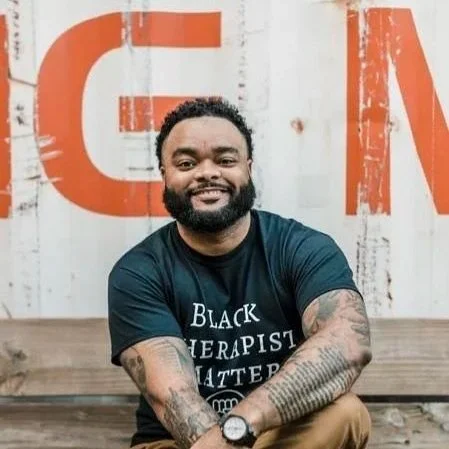
-
Brandon Allison, LCMHC, NCC is a Licensed Clinical Mental Health Counselor and National Certified Counselor with more than 15 years of direct mental health experience, including over eight years as a licensed clinician. He earned his Bachelor of Science in Rehabilitation Studies (Psychology) from Winston-Salem State University and his graduate degree in counseling from North Carolina A&T State University in 2016.
Throughout his career, Brandon has worked across North Carolina in juvenile justice advocacy and reform, community mental health, and the corporate behavioral health sector. He is passionate about reducing mental health stigma, increasing awareness, and expanding access to therapy within the African American community. A dedicated advocate for Historically Black Colleges and Universities (HBCUs), he actively supports funding initiatives, including the HBCU Collective.
Brandon is a strong believer in healing through therapy and holistic wellness, emphasizing the importance of creating, sharing, and cultivating positive energy with intention. He currently serves as both a clinician and Clinical Director for a mental health and substance abuse provider in Charlotte, North Carolina.
Clinical Director, Licensed Clinician, and Advocate for Mental Health Equity in the African American Community

-
Laura M. Wood is a Licensed Mental Health Counselor (LMHC), an NBCC National Certified Counselor (NCC) , an AASECT Certified Sex Therapist (CST), an EMDRIA Certified Clinician and Consultant, a Postpartum Support International Trained Reproductive Therapist, and a NERPSC Certified First Responder Clinician. Laura runs a hybrid private practice based in Seattle Washington and is a professor at Seattle University where she teaches clinical application of skills to gradate students as well as running specialized seminars around trauma and sexuality for students within the psychology and counseling departments.
Laura has been working in the mental health field for 15 years and much of Laura’s career has been spent focused on helping guide those who have been through sexual violence and trauma towards a sex life free from shame, full of curiosity, pleasure, and play. Laura’s professional focus areas are trauma, sexual assault recovery, dissociation, neurodivergent folx, first responders, military personnel, and sexual concerns. Her personal experiences are influenced from living and working abroad as well as learning to live with managing an invisible disability. Laura has spoken nationally around topics centering on working with trauma within different populations and lifespan experiences. Laura also works within the local community having built a relationship with her local first responders aiming to provide access to mental health resources and lessen the stigma within first responder culture around mental health.
Laura’s professional interest lies in helping other professionals have a multidimensional view to their lens of care. Laura’s goal is to provide education, consultation, and training that is approachable, inclusive, creative, and supportive to both clients and clinicians. Laura's view on supervision and consultation is helping someone find their natural innate abilities and interests and helping grow them. Laura's goal is for those she mentors or provides supervision to is to have them feel both competent and confident within themselves and their skill set.
AASECT Certified Sex Therapist, Trauma Specialist, and Expert in Sexual Trauma Recovery and EMDR
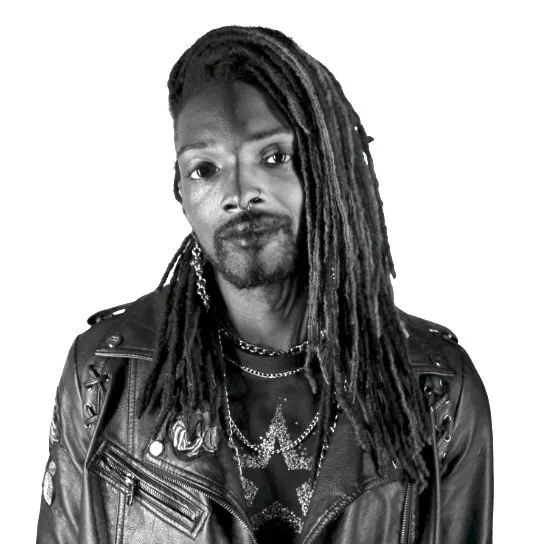
-
Vaughn Paradise exists as a licensed therapist, fantasy author, pole dancer, and touring musician. They hold certifications in Narrative Therapy and Exposure Response Prevention (aka Exposure Therapy), Sex Therapy *to be completed 2026. As director of the non-profit organization Lost Arts & Media, they hold extensive background in creative interventions like songwriting, art, and event production.
Licensed Therapist, Director of Lost Arts & Media, and Expert in Creative and Narrative Approaches to Mental Health
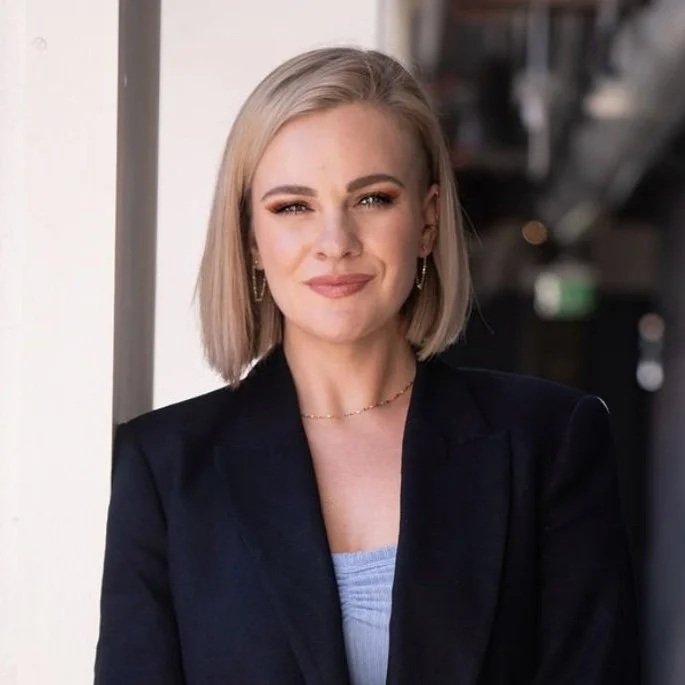
-
Megan Phippen, MA, LPC, is a licensed somatic sex and relationship therapist, educator, and founder of the Erotic Sovereignty framework, an integrative model bridging somatic psychology, developmental and relational theory, and sexuality. She holds a Master's degree in Mindfulness-Based Transpersonal Counseling from Naropa University and has advanced training in Somatic Concentric Sex Therapy for Couples (S-CST), developmental and perinatal somatics, and movement-based embodiment approaches. She is currently completing advanced sex therapy certification through the Sexual Health Alliance.
Megan's clinical and educational work focuses on embodiment, desire, intimacy, and relational repair, with particular attention to how early developmental and relational experiences shape sexuality and selfhood. She recently launched Sovereign Self, a podcast exploring the deep dimensions of embodiment, sexuality, and intimate life, and The Way We Fight, a self-paced course on the foundations of embodied relating, both part of a broader initiative to make sex therapy and the discourse around it more accessible and less stigmatized. Through teaching, clinical work, consultation, and public discourse, she works to reshape cultural and clinical understandings of sexuality as an embodied dimension of human experience. She maintains a private practice in Denver, Colorado.
Licensed Somatic Sex and Relationship Therapist, Founder of the Erotic Sovereignty Framework, and Expert in Embodiment, Desire, and Relational Healing
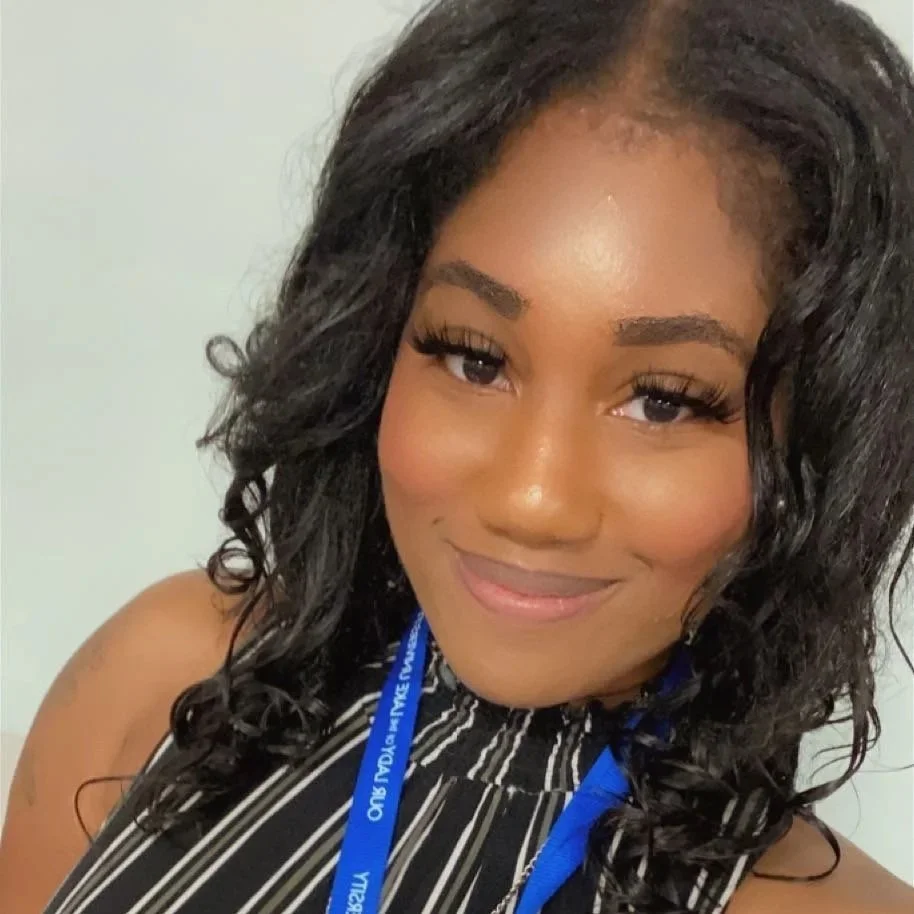
-
Nefertiti Ashanti, M.S. dances effortlessly between the realms of academia and real-world application, with a passion for psychology and human connection. She is an aspiring therapist, with a knack for building rapport, fostering inclusivity, and dialogical conversations working toward her marriage and family therapy and licensed professional counselor licensure. As a marriage and family therapy intern Nefertiti, has experience doing couple, individual, family, group, kink and alternative relationship therapy in English and Spanish.
Nefertiti's journey doesn't stop there, as a seasoned senior human resources manager by day and advent public speaker by night, Nefertiti orchestrates captivating presentations that leave audiences full of knowledge and perspective. From dissecting the intricacies of human relationships in therapy to exploring the depths of corporate minutiae , she's a maestro in the symphony of interpersonal dynamics. Whether she's guiding employees or training in the classroom or captivating crowds on the stage, Nefertiti's infectious enthusiasm and zest for life shine through in everything she does. Join her on a journey of discovery, laughter, and endless possibilities as she continues to inspire and empower others to create meaningful connections and embrace the beauty of the human experience.
Human Resources Leader and Educator Specializing in Couples, Kink, and Alternative Relationship Dynamics
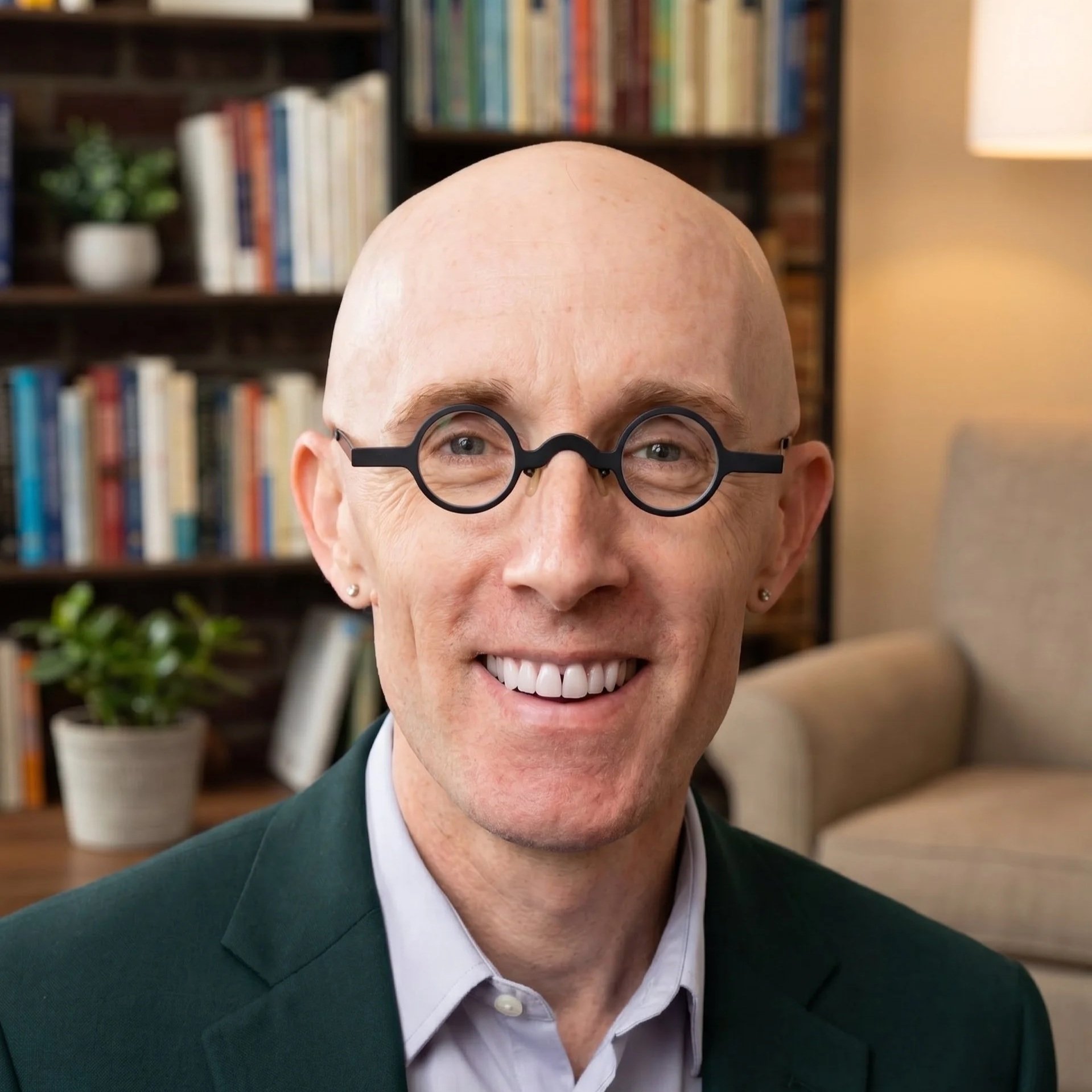
-
Thomas L. Murray, Jr., PhD, MBA, is a licensed marriage and family therapist, licensed clinical mental health counselor, and AASECT Certified Sex Therapist Supervisor. Dr. Murray brings more than two decades of clinical experience to his work with individuals and couples, with a focus on sexuality, relational dynamics, overcontrolled coping, and sexual perfectionism. He currently serves as an assistant professor of Counselor Education at Grand View University.
He is the author of "Making Nice with Naughty: An Intimacy Guide for the Rule-Following, Organized, Perfectionist, Practical, and Color-Within-the-Line Types," the first clinical work to apply Radically Open Dialectical Behavior Therapy (RO-DBT) to sex therapy. His work explores how overcontrol shapes sexual functioning and intimacy, and he is actively developing clinical and research applications examining whether RO-DBT improves sexual outcomes in overcontrolled clients.
Dr. Murray is the founder and director of A Path to Wellness, a mental health group practice in Greensboro, North Carolina. In addition to his clinical leadership, he has taught graduate-level courses in marriage and family therapy and counselor education programs. He holds a PhD in Marriage and Family Counseling from the University of Florida and an MBA with a concentration in Healthcare Administration.
Known for his direct, practical, and no-nonsense clinical style, Dr. Murray challenges both clients and clinicians to move beyond performance and perfectionism toward openness, flexibility, and authentic connection.
Assistant Professor, AASECT Certified Sex Therapist Supervisor, and Expert in Sexual Perfectionism and Radically Open DBT
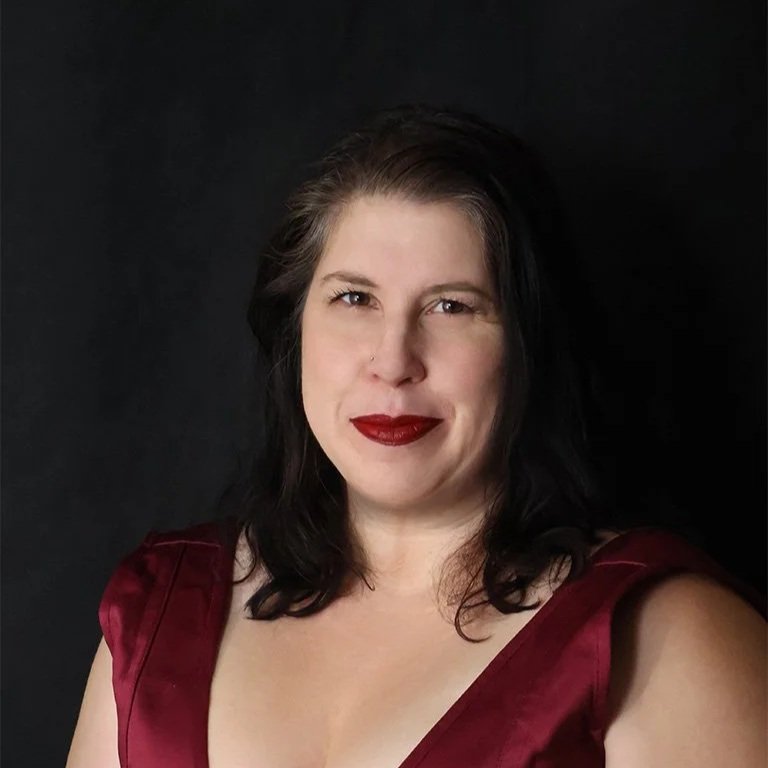
-
Audry Lu Black is a eudaimonic philosopher, professional dominatrix, sex educator, author, and personal intimacy consultant who specializes in helping people live better—not by behaving nicely, but by understanding themselves fully. For more than 25 years, she has worked one-on-one, in workshops, and on lecture stages to create precise, personalized frameworks for people who crave depth, discretion, and results. Blending sex-positive education, BDSM practice, and moral philosophy, Audry is known for her distinctive approach to habit-building and behavioral change: structured, playful, intellectually rigorous, and unapologetically embodied. Drawing on psychology, classical philosophy, and lived experience in power exchange, she teaches clients and audiences how to build lives that feel good because they are well-designed. She is currently shopping her book, Let’s Fuck About That: Philosophizing the Fuck Out of Yourself by Utilizing the Expertise of a Professional Dominatrix, a sharp, funny, and deeply thoughtful exploration of how considered kink and moral philosophy can lead to a more honest, pleasurable, and flourishing life.
Author, Professional Dominatrix, and Expert in BDSM, Moral Philosophy, and Intimacy
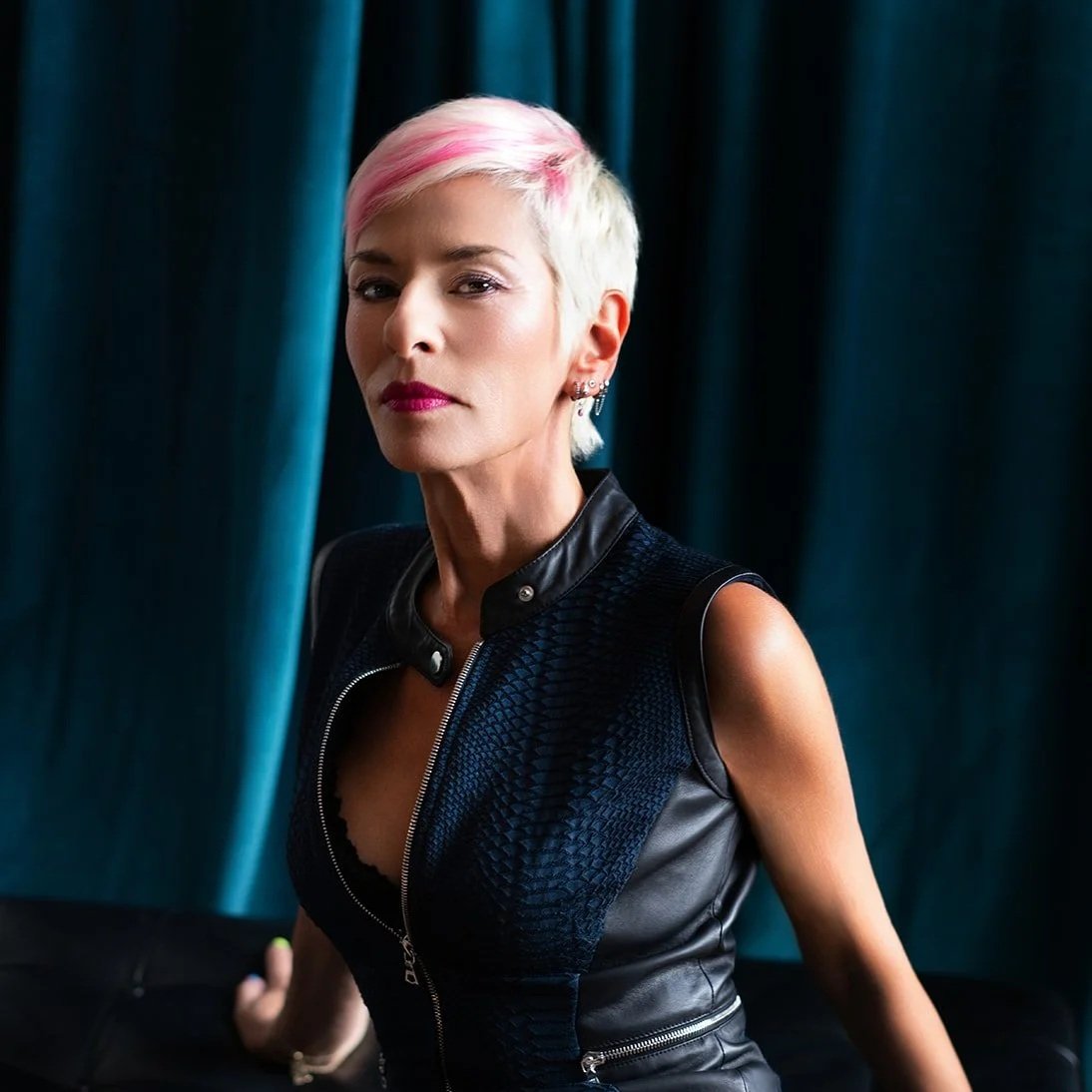
-
Karen Bigman is a midlife sex and relationship expert redefining how we think about dating, intimacy, and pleasure after 50. As a Certified Sex Educator & Menopause Coach, and a midlife sex & relationship expert, she’s on a mission to help men and women thrive in midlife by talking openly about the topics most people were never taught—or were too afraid to ask—ranging from low libido and sex toys to dating, menopause, and andropause. Through her podcast Taboo to Truth: Life and Sex After 50, Karen delivers candid, often raw conversations grounded in science, compassion, and playful honesty, giving men an inside track on becoming confident, connected partners and offering women clear, straight-talk guidance to navigate changing bodies and relationships. Her work goes beyond quick fixes, offering a holistic, shame-free approach to the physical, emotional, and relational shifts of midlife intimacy.
Certified Sex Educator, Menopause Coach, and Expert in Midlife Sex, Relationships, and Intimacy

-
Kruti S. Chaliawala, PhD, CHES®, is an Assistant Professor in the School of Public and Population Health at Boise State University. Her research centers on sexual health, psychosocial determinants, and health disparities among international college students. Her scholarly work includes peer-reviewed publications on condom use, intimate partner violence, sexual violence, menstrual health, and mental health among culturally diverse student populations. She is the author of Cultural Crossroads of Sexual Health: Insights from International Students and has presented nationally at the American Public Health Association and the Society for Public Health Education. Dr. Chaliawala integrates quantitative research with culturally responsive, equity-centered frameworks to inform clinical and educational practice.
Public Health Researcher, Health Promotion Educator, and Expert in Sexual Health, Health Equity, and International Student Well-Being

-
Ximena Rossato-Bennett, MSN, FNP-C, CNM, is a Pelvic Pain Specialist at Pelvic Rehabilitation Medicine (PRM) in New York City, where she provides trauma-informed, patient-centered care for complex pelvic pain conditions including endometriosis, fibroids, and chronic pelvic pain across all genders. A board certified Family Nurse Practitioner and Certified Nurse Midwife with over 20 years of experience in healthcare, Ximena has built her career across a wide range of clinical settings - from birth centers and emergency departments to telehealth platforms and private practice - giving her a uniquely holistic perspective on the challenges patients face when navigating the healthcare system with pain that is too often dismissed.
Trauma-informed care isn't just a framework for Ximena - it's the foundation of everything she does. Her training and experience as a Sexual Assault Forensic Examiner, combined with years of caring for patients through vulnerable moments in birth, menopause, and chronic pain, have shaped a clinical approach that centers safety, trust, and collaboration at every step. She understands that many patients with chronic pelvic pain - regardless of gender - carry not only physical suffering but also the emotional weight of being disbelieved, misdiagnosed, or re-traumatized by the very system meant to help them. Her work begins with active listening and validation to create a space where patients feel safe enough to tell their full story, often for the first time.
Ximena's roles at Tia Women's Health and Midi Health further deepened her commitment to reducing unnecessary suffering - particularly for patients who have spent years searching for answers. At PRM, she works within a multidisciplinary care model using the PRM Protocol™, a comprehensive, evidence-based framework that addresses both the neuromuscular and emotional components of chronic pelvic pain. She is passionate about shortening the diagnostic journey, co-creating individualized care plans, and helping patients of all genders reclaim control over their health and their lives.
Ximena is dedicated to bridging the gap between pelvic pain medicine and sexual health, and to equipping fellow clinicians with the knowledge and tools to recognize when their clients need more than what any single discipline can offer.
Pelvic Pain Specialist at Pelvic Rehabilitation Medicine, Board-Certified Family Nurse Practitioner, and Expert in Trauma-Informed Pelvic and Sexual Health Care
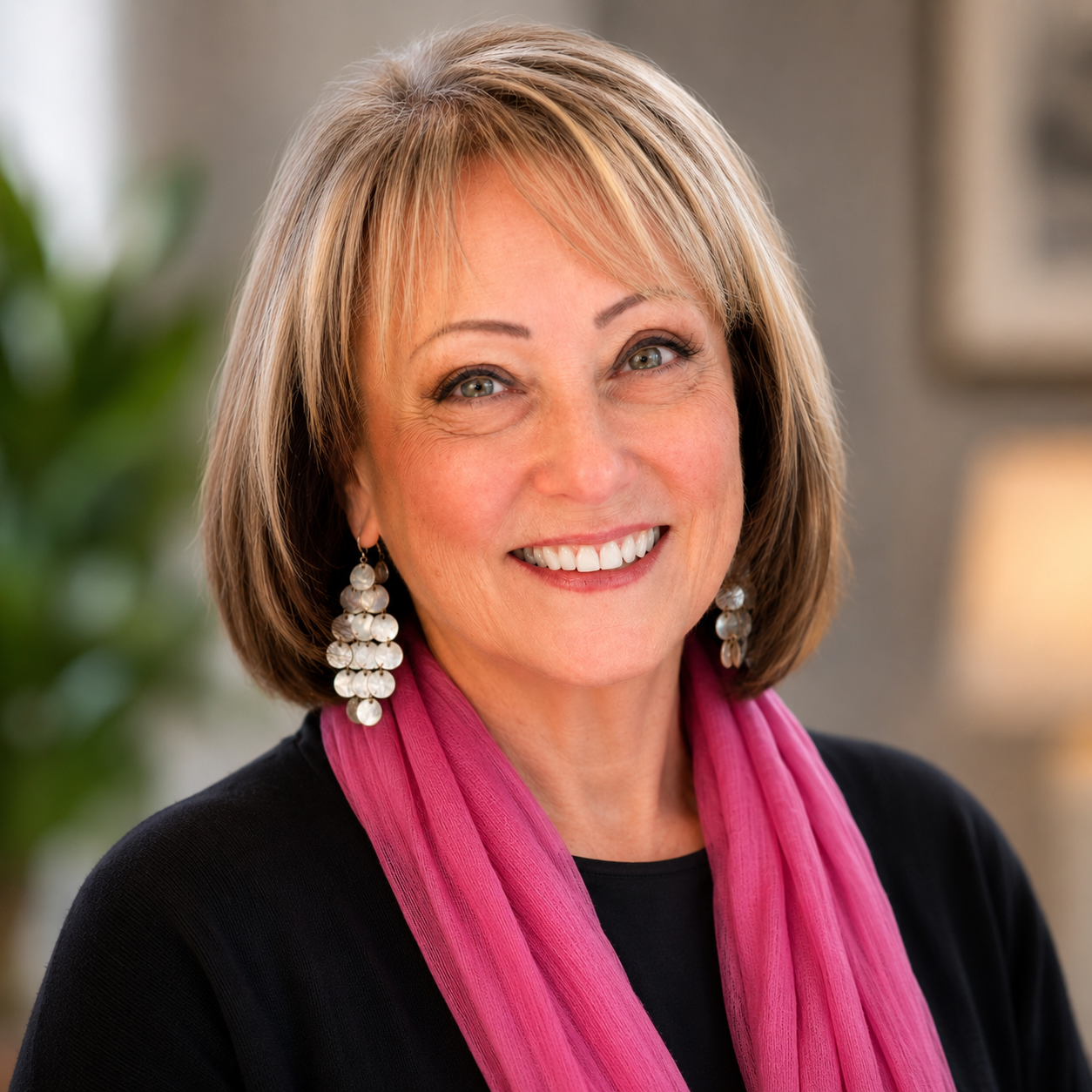
-
Sally Valentine, PhD, LCSW, is an AASECT certified Sex Therapist and Supervisor, and Continuing Education (CE) Provider. In addition to Sex Therapy, she specializes in trauma and couples/relationship therapy, with certifications in EMDR, Imago Relationship Therapy, Heart Centered Hypnotherapy, Transpersonal Coaching and Sivananda yoga teacher. Dr. Valentine has additional Gottman training, 1-2 levels, Psychosynthesis with Poldi Orlando, and numerous tantra/sacred sexuality, and energy psychology trainings. She continues to add to her fund of knowledge and skill in all areas of mental, emotional, sexual, relational, and spiritual realm. Dr. Valentine has a private psychotherapy and sex therapy practice in Boca Raton, FL. She supervises sex therapy candidates both virtual and in person, individuals and groups. In addition, she offers Tantra/ Sacred Sexuality workshops, since 2004, and intensive couples retreats.
Innovative Certified Sex Therapist/Supervisor, Certified EMDR & Imago Relationship Therapist, Teach Tantra

-
Mythique Allen, MS, LPC, LPCC is an erotic alchemist, licensed therapist, certified sex therapist, and botanical perfumer whose work lives at the intersection of sensuality, embodiment, and relational intimacy. She weaves together somatic psychology, attachment theory, and sensory awareness to guide individuals and couples back into the felt experience of desire—where the body becomes a gateway to truth, connection, and expression.
Rooted in both clinical depth and aromatic artistry, Mythique explores scent as a living language of memory, emotion, and attraction. Her work reveals how the invisible currents of aroma shape the atmosphere between bodies—awakening longing, signaling intimacy, and inviting presence before a word is ever spoken.
Known for her evocative and experiential teaching style, she creates spaces where clinicians can step beyond theory and into sensation—where neuroscience meets ritual, and insight is felt as much as it is understood. Her workshops offer a rare blend of grounded science and sensual exploration, inviting participants to engage with sexuality not only as a concept, but as a lived, embodied experience.
Mythique has presented nationally on topics including aromatic ritual, erotic embodiment, and the sensory pathways that shape intimacy and desire.
Licensed Therapist, Certified Sex Therapist, and Expert in Sensuality, Embodiment, and Relational Intimacy

-
SHA Brand Ambassador Alyssa Ljub is a sex educator, intimacy coach, digital strategist, and content creator with nearly a decade of experience helping sexual wellness and lifestyle brands build authentic, engaged online communities. She combines on-camera presence with behind-the-scenes expertise in social media management, creator partnerships, performance reporting, and paid and organic content strategy.
Alyssa starred in Netflix’s hit reality series The Circle, where her experience as an assistant to a sex coach helped introduce fellow contestants—and viewers—to the value of sex coaching. Her engaging personality and insight allowed her to encourage open conversations while gaining a strategic advantage in the competition. As she put it, “If I can get people to talk to me about their sex lives, I can get them to tell me about their strategies.”
Beyond her brand and strategy work, Alyssa hosts Chewed Gum, a call-in-style YouTube show exploring relationships, gender, and modern dating. She has also shared her expertise on the TEDx stage at UC Davis.
TEDx Speaker, Sex Educator, SHA Brand Ambassador, and Expert in Digital Sexual Wellness and Content Strategy
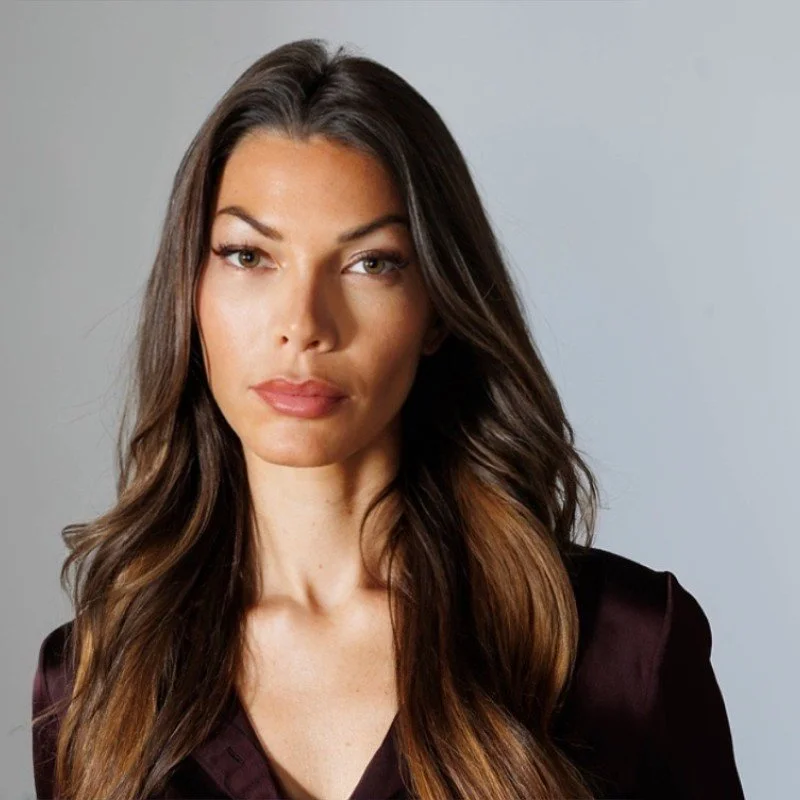
-
Coral is a Certified Sexologist, Sex & Intimacy Coach, Sex Consultant.
Coral is not just a mentor - she’s a movement.As a sex & and intimacy coach, Coral specializes in helping individuals navigate the complexities of sexual desires and intimate relationships, fostering radical self-awareness and autonomy.
Her own lived experience and healing journey led her to sexology. Coral’s work is rooted in empathy, respect, and a deep understanding of the human experience.
Certified Sexologist, Sex and Intimacy Coach, and Expert in Sexual Empowerment and Relationship Coaching
-
Andreas Kogelnik, MD, PhD, is a physician-scientist, bioengineer, and entrepreneur whose work spans precision medicine, infectious diseases, bioinformatics, and health information technology. As Founder and CEO of ProDx Health, he focuses on expanding access to at-home sexual health and wellness testing.
Dr. Kogelnik earned his MD from Emory University and his PhD in Bioengineering from the Georgia Institute of Technology. He completed his residency in Internal Medicine and fellowship in Infectious Diseases at Stanford University.
He also founded the Open Medicine Institute, bringing together biotechnology, clinical research, and informatics to advance personalized medicine. Across his work, he connects clinical expertise with emerging technologies to improve patient care and health research.
Physician-Scientist, Founder and CEO of ProDx Health, and Expert in Precision Medicine, Infectious Diseases, and Sexual Health Testing
-
Dustin Rybka is the host of Sex Party With Dustin Rybka, a weekly podcast exploring sexuality, intimacy, and relationships through candid conversations with educators, creators, and adult industry professionals. His interviews blend humor and personal storytelling, bringing a range of experiences and perspectives into discussions about sex and connection.
Beyond the podcast, Dustin has co-presented sexual health seminars at EXXXOTICA alongside ProDx Health founder Dr. Andreas Kogelnik, combining audience participation and entertainment with conversations about STI testing and sexual wellness.
Host of Sex Party With Dustin Rybka, Sexual Wellness Educator, and Advocate for Open Conversations on Sexuality and Intimacy

-
Joshua is a facilitator, educator, and advocate empowering individuals through self-discovery and intentional relationships. With 15+ years of experience, he guides people—especially men—in navigating modern masculinity, sexuality, and personal growth.
As co-founder of the Kink Collective with his partner Cat, he designs programming that fosters confidence and authentic connection. In 2025, their work with partner Mistress Natalie earned them the Northeast Power Exchange Educational Title, honoring their innovative use of power dynamics for empowerment.
Based in East Harlem, Joshua curates transformative experiences at The Sanctuary, a community space in his childhood neighborhood dedicated to identity, relationships, and conscious evolution. Their philosophy, “People Before Kink” drives his mission: equipping individuals with the tools to build self-authored, fulfilling lives.
Co-Founder of the Kink Collective, Educator, and Advocate for Conscious Masculinity, Sexuality, and Intentional Relationships
-
Cat is a transformative leader in the kink, BDSM, and leather communities, with 30+ years of experience, mentorship and advocacy. Alongside partners Joshua and Natalie, she earned the 2025 Northeast Power Exchange Educational Title, celebrating her innovative approach to power dynamics as a tool for empowerment.
Her journey began in San Francisco’s leather scene, where early mentorship ignited her passion for community building and personal growth. As co-founder of theKink Collective, educator, and counselor, she bridges kink with personal development, healing around trauma and grief, and sexual wellness.
Rooted in honesty, integrity, and transparency, Cat creates spaces where people are seen, valued, and empowered—whether exploring identity, grief, recovery or desire. Her work proves that profound healing happens when we dare to own our stories.
Co-Founder of the Kink Collective, Educator, and Expert in BDSM, Power Exchange, and Trauma-Informed Personal Growth

-
Amanda Jepson (she/her) is a Licensed Professional Counselor (LPC), AASECT Certified Sex Therapist and Sex Therapy Supervisor, SHA Certified Sex Therapist, Board Certified Sexologist, and Approved Clinical Supervisor with over 15 years of clinical experience. She specializes in working with active-duty service members, military veterans, and first responders, with particular expertise in combat trauma, sexual violence, complex trauma, and vicarious trauma. Amanda is also deeply committed to serving the queer community and works affirmatively with clients across diverse gender identities, sexual orientations, and relationship structures. Her integrative, trauma-informed approach draws on evidence-based modalities including EMDR, Cognitive Processing Therapy (CPT), Dialectical Behavior Therapy (DBT), Narrative Therapy, mindfulness-based interventions, Sensate Focus, and Motivational Interviewing. As a Certified Sex Therapist, she is highly trained in addressing concerns related to sexuality, intimacy, relationships, nonmonogamy, and kink through an intersectional, inclusive, and sex-positive clinical lens. Amanda’s work emphasizes safety, empowerment, and resilience, supporting clients in healing from trauma while cultivating authentic connection, embodiment, and overall well-being. In addition to direct clinical work, Amanda provides supervision and consultation to therapists seeking advanced competency in trauma and sex therapy. Her work emphasizes empowerment, resilience, and the reclamation of identity, helping clients move from survival toward meaningful connection, embodiment, and psychological well-being. She has been featured on the Sex & Psychology Podcast and Midori’s Consent Dojo, where she contributes clinical insight on trauma, consent, and sexual health.
Certified Sex Therapist and Supervisor, Board-Certified Sexologist, and Expert in Trauma, Sexual Health, and Military and First Responder Care
-
Amanda K. Rue is a pleasure educator, spiritual counselor, marketing strategist, and founder of The Shift Work Shop, an HR consultancy focused on preventing sexual harassment and building safer, more respectful workplaces. Drawing on more than a decade in advertising and marketing, she has supported organizations and sexual wellness brands through consent education, harm reduction, cultural transformation, and brand strategy. Her work helps individuals and organizations navigate power dynamics, embrace pleasure, and create meaningful change.
Intimacy Coordinator, BDSM Consultant, and expert in power, safety, and consent.

-
Logan Davis is an IDC-certified Intimacy Coordinator based in Los Angeles who creates consent-based, collaborative environments for intimate scenes across film and television. Also an actor, producer, and screenwriter, she brings a well-rounded understanding of on-set production and performers’ experiences. Logan is also an advocate and consultant specializing in BDSM, kink, and LGBTQIA+ identities.
IDC-Certified Intimacy Coordinator, Actor and Producer, and Expert in BDSM, Kink, and LGBTQIA+ Representation
-
Shelby Terrell (LMSW) is a Certified Intimacy Coordinator for film and television, with credits including HBO's Task S2, A24's Peaked, SMUT CLUB, Jackrabbit, Never Alone, Oh, Hi (Sundance, Tribeca, Sony), and Good Advice. She's currently in the process of joining SAG-AFTRA as a Certified Intimacy Coordinator. Shelby is also a licensed sex and relationship therapist whose clinical background, spanning LGBTQIA+ experience, ethical non-monogamy, kink, and purity-culture recovery, grounds her approach to intimacy work in consent, communication, and care for performers.
Intimacy Coordinator, Licensed Sex and Relationship Therapist, and Expert in Consent, LGBTQIA+ Relationships, and Ethical Non-Monogamy

-
Caitlin Harrison is a relational and embodied therapist whose work centers authenticity, collaboration, and social justice. Through a caring, transparent therapeutic relationship, she helps clients connect with their bodies, navigate systemic influences, and make empowered choices aligned with their authentic selves.
Licensed Marriage and Family Therapist, Relational and Embodied Therapist, and Expert in Authenticity, Embodiment, and Social Justice

-
Carly Pifer is the creator behind Read Aurore. A writer with a history of exploring “taboo” topics, including sex and sobriety, abortion, DV, and of course ~~confessional erotica~~Carly has also helmed digital content and creative for several more vanilla interests, including Perrier (sparkling water), Burrow (couches), and Blake Lively (Gossip Girl star). With her writing and marketing experience combined, Carly has created an accessible digital magazine in which women’s pleasure is a focus, where all body types are sexy and desirable, where non-binary and trans people can see their experiences reflected—Read Aurore.
Founder of Read Aurore, Writer, and Advocate for Inclusive Pleasure and Sexuality

-
Kelsey has extensive experience working with adults from diverse backgrounds, providing therapy tailored to individual needs. She integrates person-centered, cognitive behavioral (CBT), and narrative therapy techniques to support clients through life transitions and mental health challenges.
With a deep commitment to fostering a non-judgmental and affirming therapeutic environment, Kelsey values the importance of treating each client holistically, emphasizing strengths and resilience.
Outside of therapy, Kelsey finds joy in spending time with animals, particularly horses, and draws on the calming influence of nature to enhance her therapeutic presence.
Licensed Professional Counselor Associate, Mental Health Therapist, and Expert in Person-Centered and Narrative Therapy

-
Irene Morning is a somatic coach, sex-positive educator, pleasure advocate, and best-selling author of The Polyamory Paradox: Finding Your Confidence in Consensual Non-Monogamy. With a master’s degree in Yoga Therapy and advanced training in clinical sexual health counseling, couples therapy, trauma, and reproductive health, she brings more than a decade of experience helping people understand how their bodies shape their emotions, relationships, and well-being. Her individualized approach supports clients navigating non-monogamy, trauma, queerness, kink, and neurodivergence through embodied boundaries, communication, nervous system awareness, pleasure, and play.
Bestselling Author of The Polyamory Paradox, Somatic Coach, and Expert in Non-Monogamy, Pleasure, and Embodied Relationships
-
Jana Danielson is a women’s health expert, pelvic floor and perimenopause pioneer, and mindset mentor who helps women reclaim their energy, confidence, and quality of life. Drawing from her own experience of having pain dismissed as “all in her head,” she combines mindset, movement, and whole-person health strategies to support women who feel they have tried everything without finding lasting answers.
Women’s Health Expert, Pelvic Floor and Perimenopause Pioneer, and Mindset Mentor
-
Lindsey is a passionate advocate of sex positivity and de-stigmatizing sex education and is a sex coach, certified by the American Board of Sexology. A Brazilian jiu-jitsu instructor. Assertive communication is her superpower. She owns and runs Thrive Empowerment Center, a trauma informed community center. Lindsey is a conscious kink educator.
Founder of Thrive Empowerment Center, Certified Sex Coach, and Expert in Sex Positivity, Conscious Kink, and Empowerment

-
Keeley Shoup has practiced as a full time Cuddle Therapist since 2015, supporting clients in both individual and group settings. She is a certified Cuddle Party facilitator and has taken every training program that exists for professional cuddlers. She continues her education in IFS, EFT, somatic experiencing, embodiment practices, the wheel of consent, and racial equity. In 2017, she became the Director of CuddleXpo, the first ever professional cuddlers convention. The 3 day educational event hosted over 100 professionals and participants from all across the world. Keeley has been a fierce advocate via her social media platforms (YouTube, Instagram, and TikTok). She has been featured on dozens of domestic and international print, television, radio, and podcast media; reaching international audiences as she works to destigmatize mental health, promote education on boundaries and consent, and increase access to this groundbreaking therapeutic modality.
Keeley is fostering an interdisciplinary community within the field of mental health professionals. As co-owner and CEO of Cuddlist, Keeley works to increase the company’s visibility, further the high standard of quality within Cuddlists’ community of practitioners, increase practitioner’s accessibility to supportive resources, and champion the Cuddlist mission across the globe.
CEO and Co-Owner of Cuddlist, Certified Cuddle Therapist, and Expert in Consent, Boundaries, and Therapeutic Touch
-
Michelle Renee (she/her) is a holistic intimacy coach, trained in both Cuddle Therapy and Surrogate Partner Therapy, and the co-owner COO of Cuddlist.com. She practices a trauma-informed, consent-based approach that helps folks of all genders rebuild trust with touch, set clear boundaries, and access authentic pleasure ... at their own pace. Michelle hosts The Intimacy Lab podcast and Finding Ourself: A Heartfelt Cuddlist Podcast. She serves clients nationwide with practices across Southern California, the Baltimore/DC area, and Pittsburgh, PA, partnering with therapists to integrate somatic, consent-based healing.
Holistic Intimacy Coach, Co-Owner and COO of Cuddlist, and Expert in Trauma-Informed, Consent-Based Touch and Intimacy

-
April Patterson bio and headshot:
April Patterson, PT, MSPT is a pelvic health physical therapist with over 22 years of clinical
experience, including 13 years exclusively in pelvic health, specializing in PGAD and complex
genitopelvic pain conditions. She is the founder of Whole Body Physical Therapy, an inclusive
practice for all genders in Studio City, CA, where she integrates advanced manual therapy and
therapeutic movement with trauma-informed, whole-person care. In addition to her clinical
practice, April shares her expertise as a speaker and educator to multidisciplinary healthcare
professionals, and mentors pelvic floor therapists across the U.S. She also serves on both the
scientific and DEI committees for ISSWSH. April is passionate about education and advocacy to
improve care quality and reduce stigma surrounding pelvic and sexual health conditions.
Pelvic Health Physical Therapist Specializing in PGAD, Persistent Pelvic Pain & Complex Genitopelvic Conditions
Become a Sponsor for the 2026 Annual Sexological Conference!
Gain visibility among sexologists, therapists, educators, and healthcare professionals shaping the future of sexual health.
2025 Annual Sexological Conference Best moments!


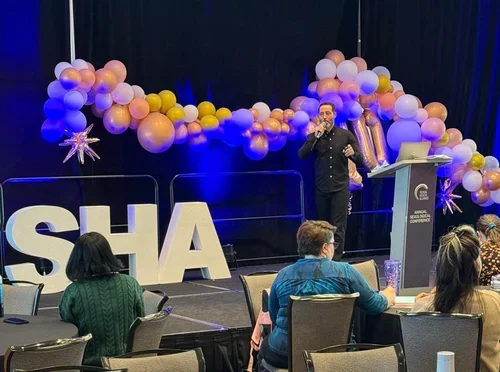

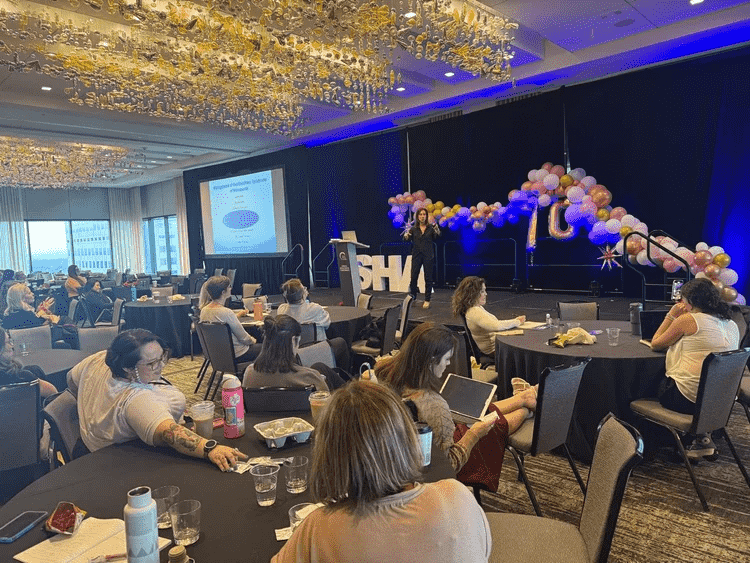
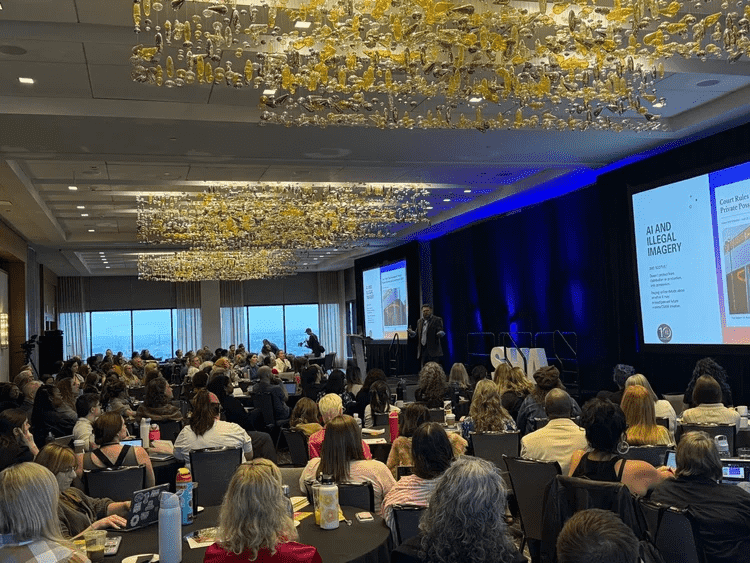
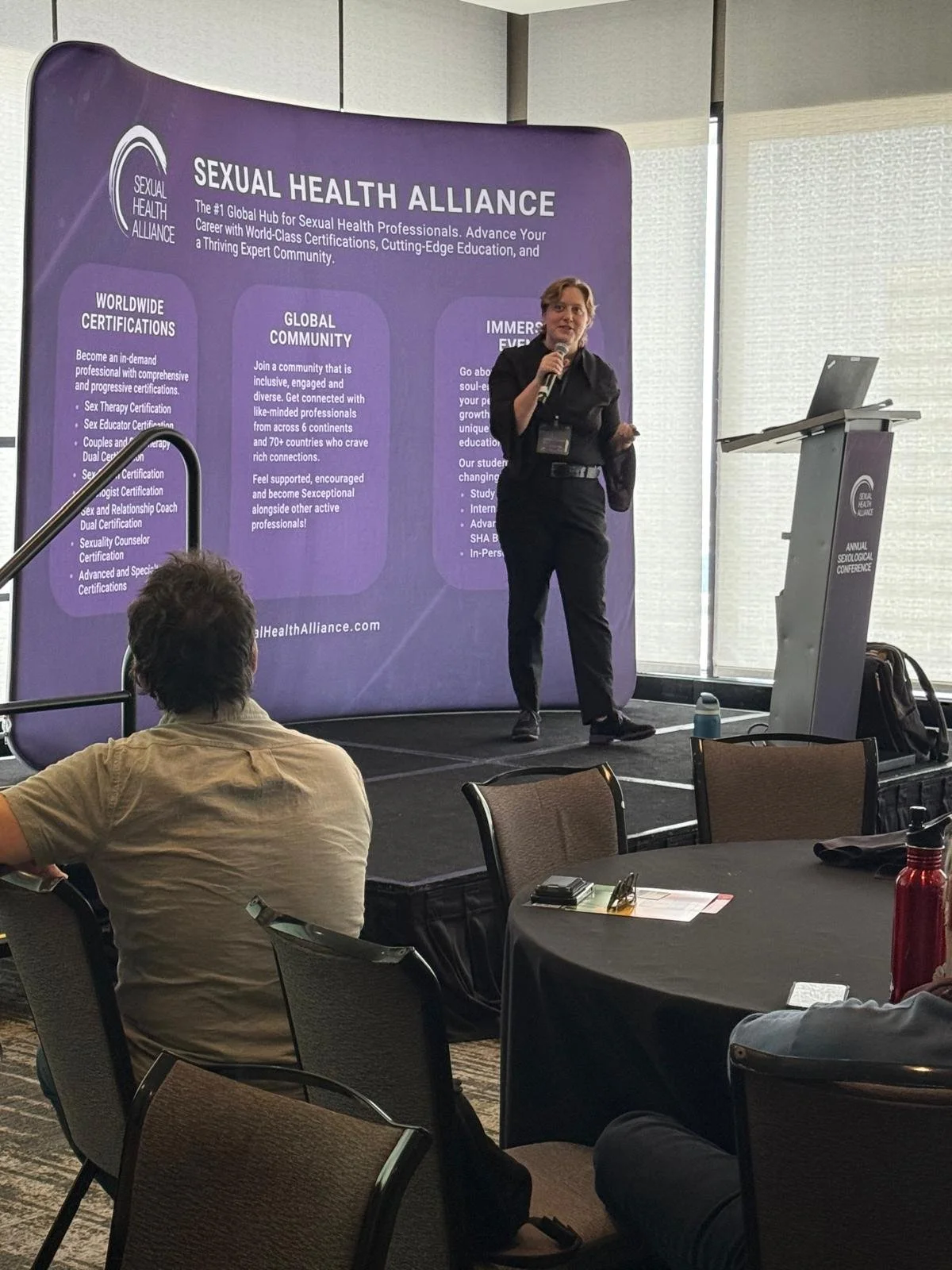

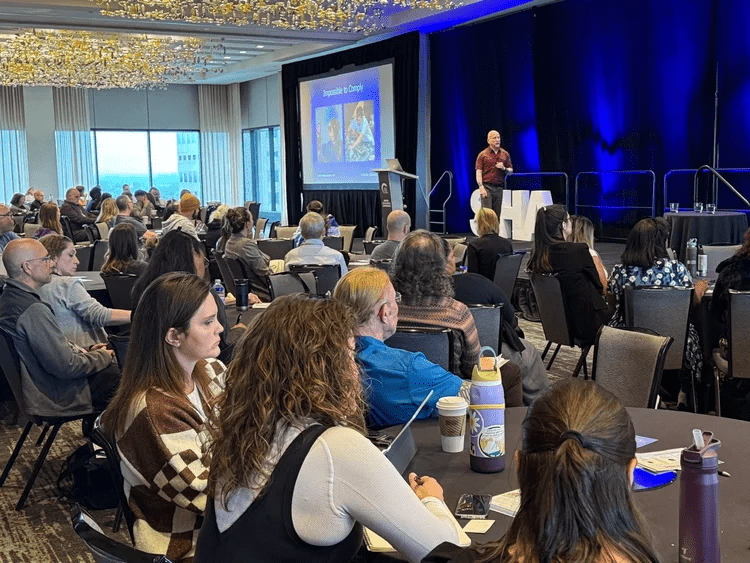


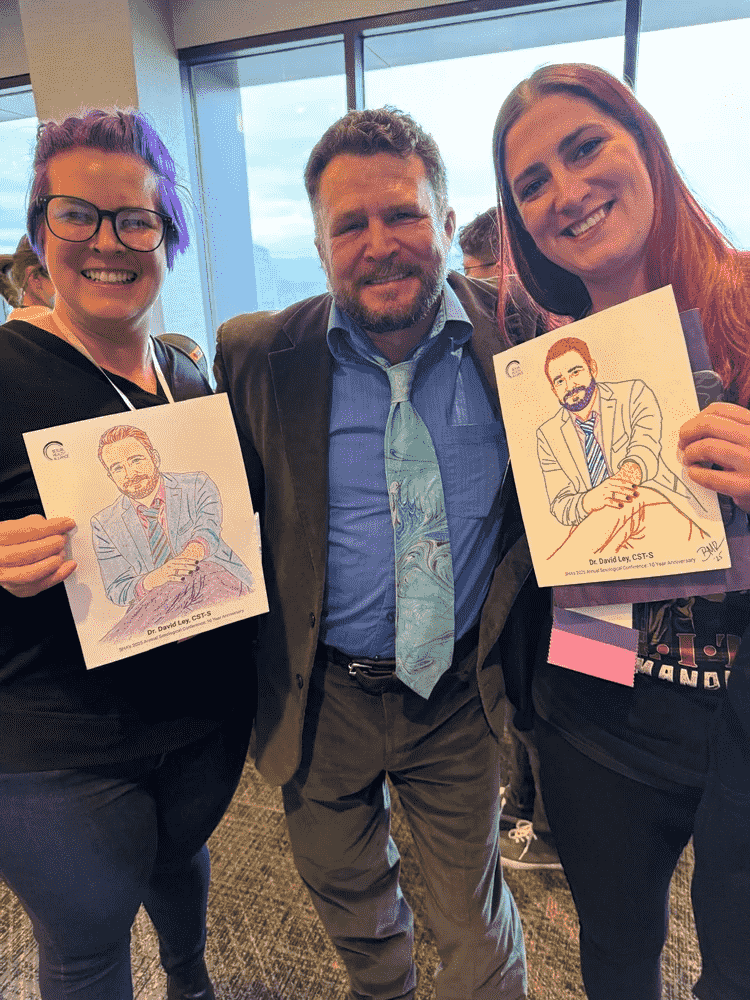


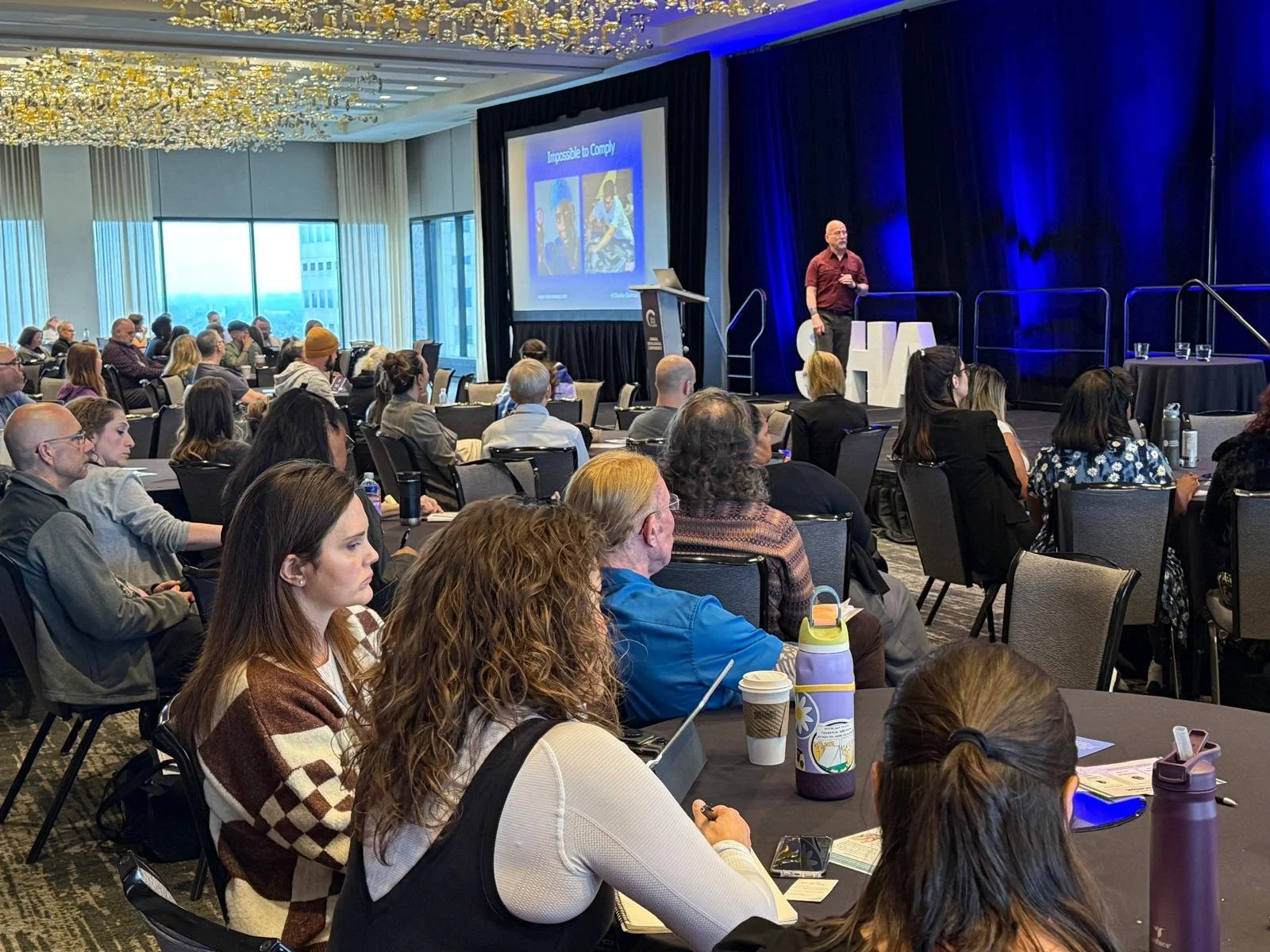

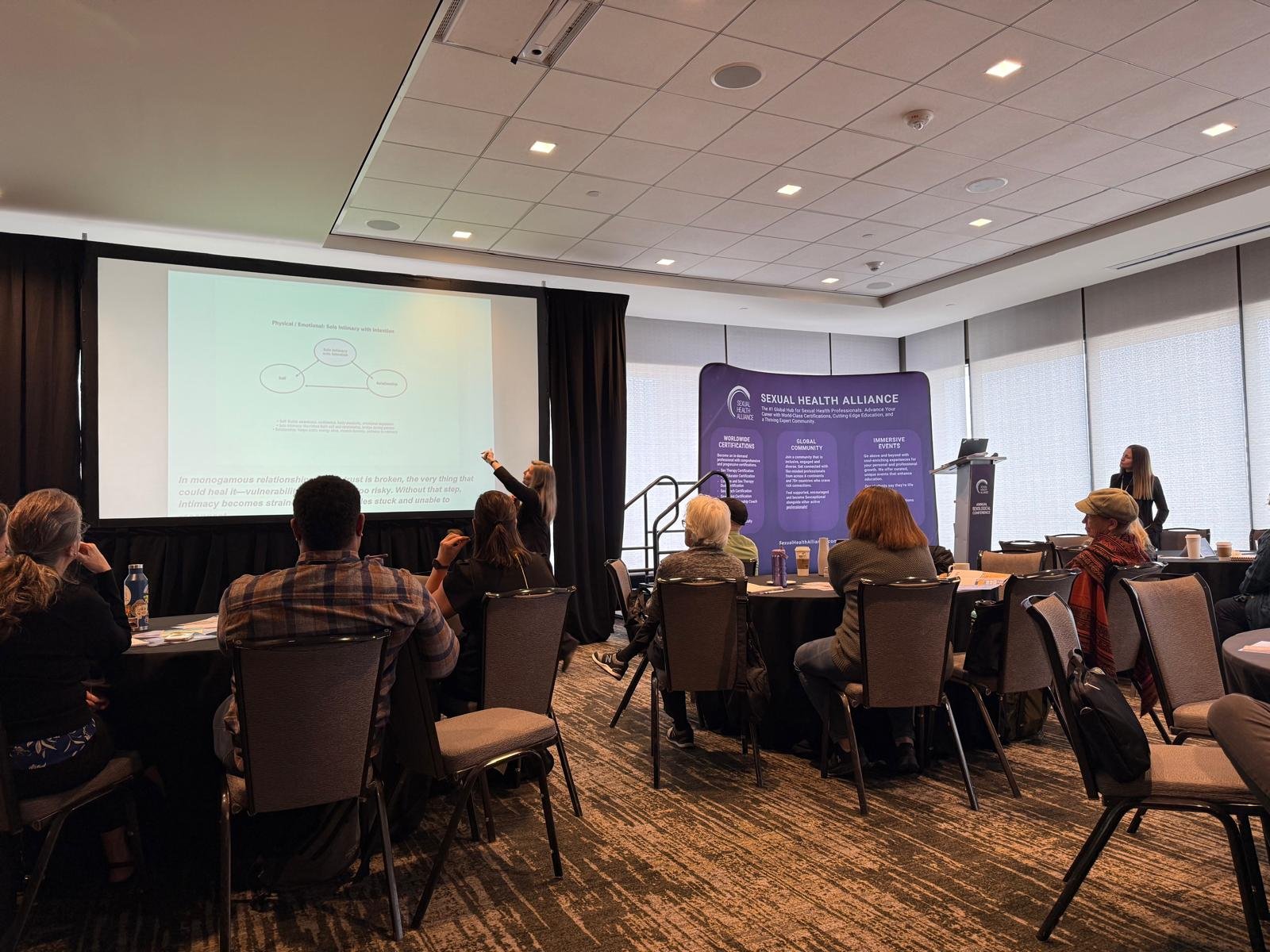
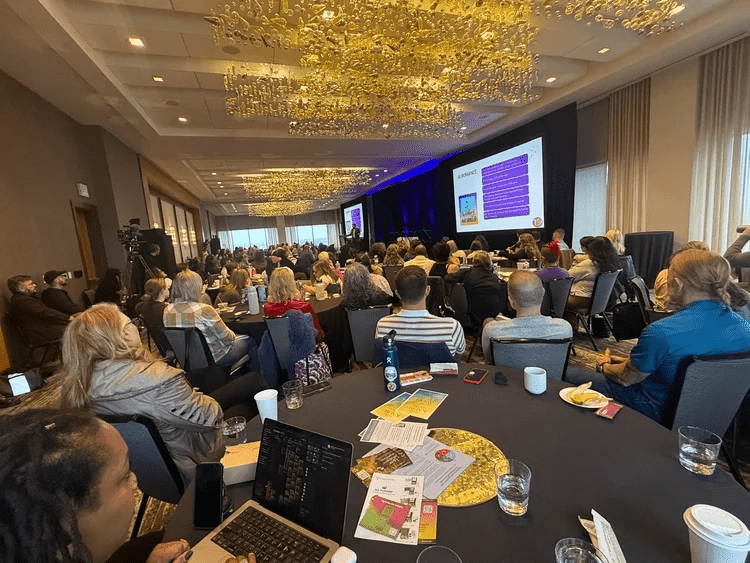
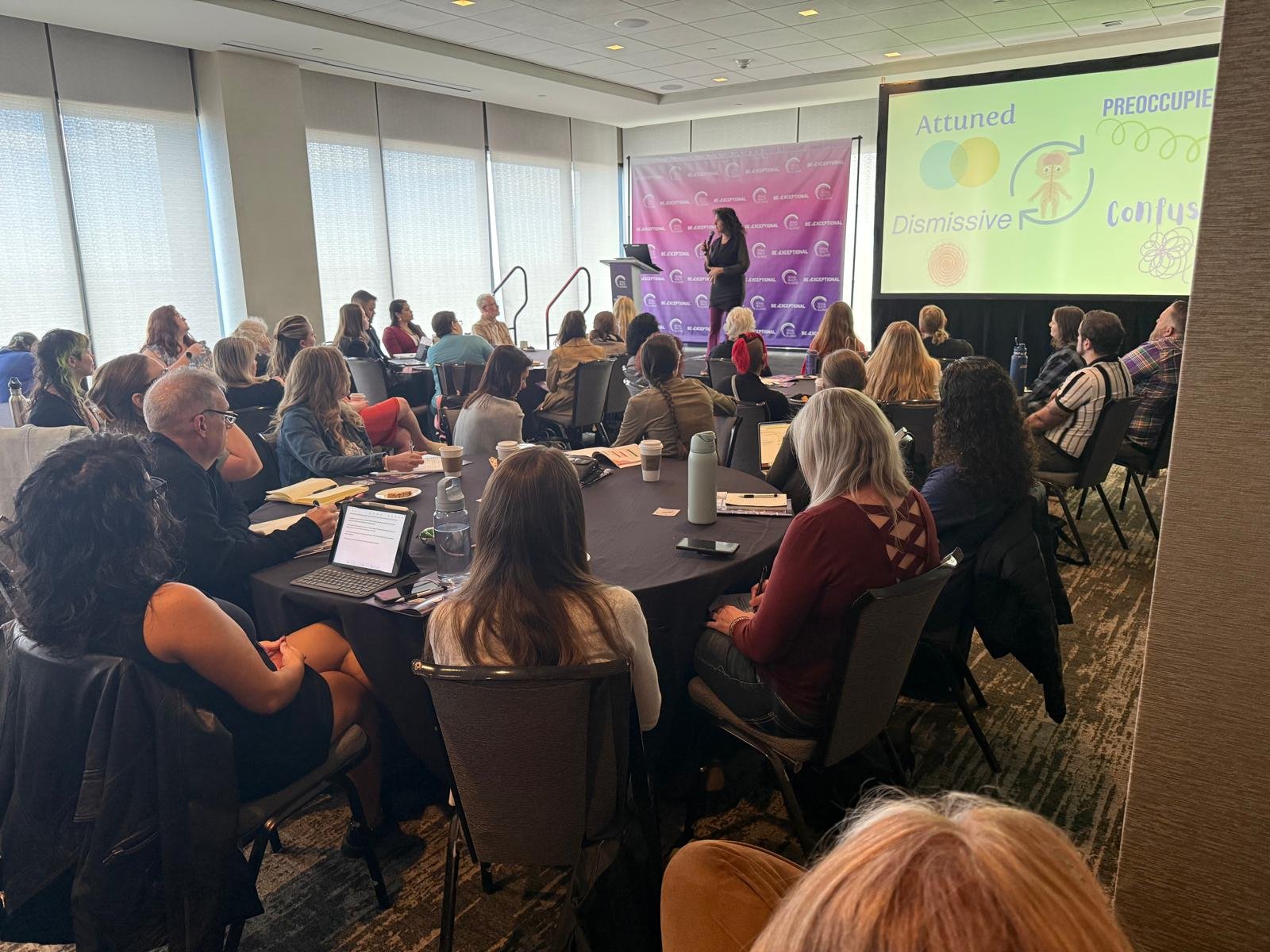

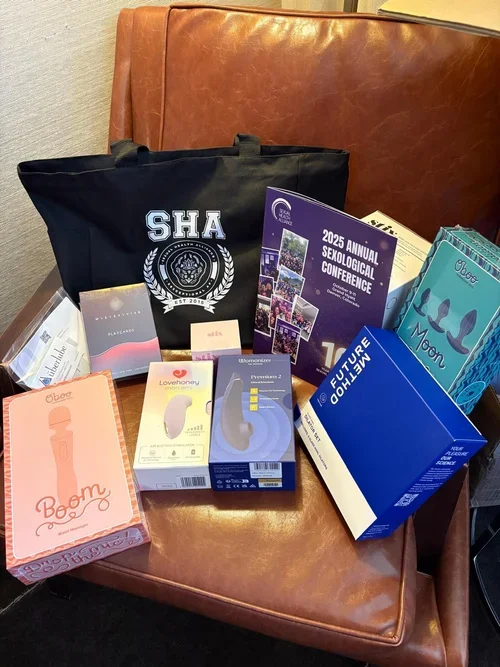
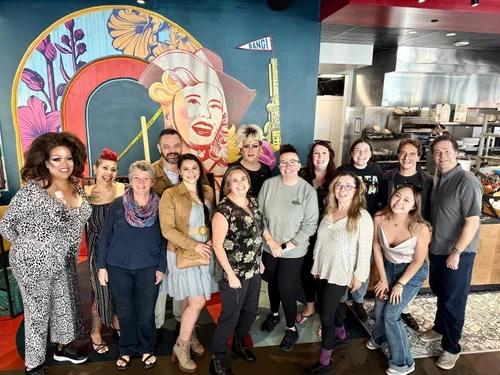


Ready to create your own conference memories?
Experience the energy, learning, and connections for yourself at the 2026 Annual Sexological Conference. Join hundreds of professionals from around the world for three unforgettable days of world-class education, meaningful networking, and experiences that extend far beyond the classroom.
What Our PAST Attendees Had to Say!
Hear firsthand experiences from last year’s participants—leaders, educators, and professionals who joined us for an unforgettable weekend of learning, connection, and growth.
Your turn starts this October
Don't just take our word for it. Join the community of therapists, physicians, educators, researchers, coaches, and sexologists who return year after year for one of the most impactful professional development experiences in sexual health. We'd love to welcome you to Denver this October.
*Please note that the Black Tie Evening Gala is not eligible for AASECT or NBCC CEs

Sexual Health Alliance has been approved by NBCC as an Approved Continuing Education Provider, ACEP No. 7730. Programs that do not qualify for NBCC credit are clearly identified. Sexual Health Alliance is solely responsible for all aspects of the programs.
This event is eligible for a maximum of 20 CE hours.

