
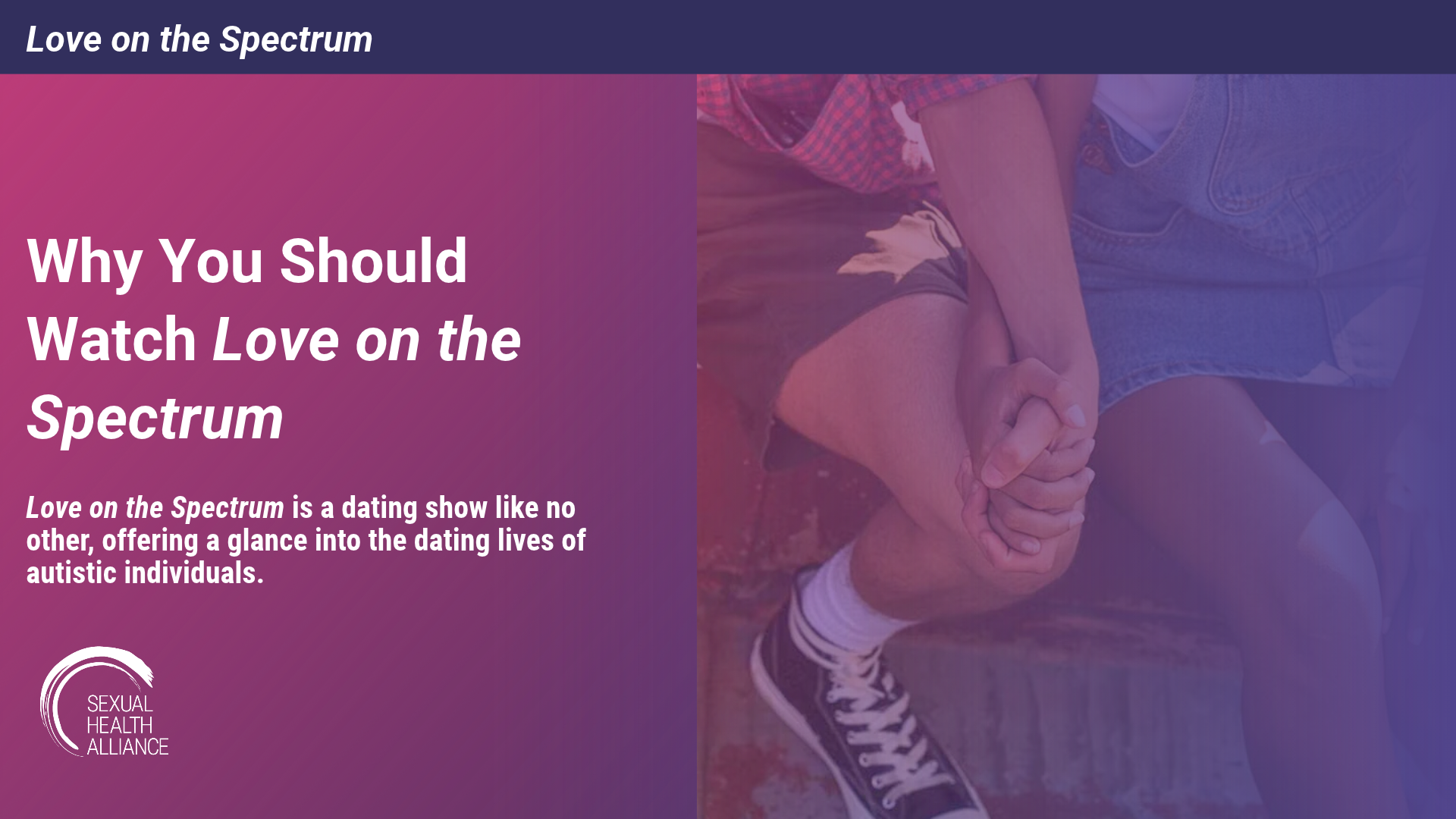
Not everyone sees themselves reflected on dating shows. But, Netflix's Love on the Spectrum is changing the game by focusing on a community underrepresented in this genre: the show specifically follows the lives of individuals on the autism spectrum as they navigate dating and relationships.
There are so many things to love about Love on the Spectrum. It features a cast of wonderful autistic adults that, for the most part, have little to no experience dating. Watching the show, you have the opportunity to watch them grow and try new things in the pursuit of finding love.
After watching the whole series, I wanted to share a few key aspects that make the show worth bingeing and highlight what it has to teach us about neurodivergent relationship experiences along the way!
Metacommunication
If there’s something the cast members featured in Love on the Spectrum model really well, it’s relationship metacommunication. If you’re unfamiliar, metacommunication refers to communicating about the ways in which we communicate with each other (read more about it here). It might look like:
“Am I talking too much?”
“When you say that, it makes me think you're not listening.”
“Are you enjoying this conversation?”
“Ask me a question now.”
Neurotypical individuals can also (and arguably should) engage in metacommunication, but it seems to be a particularly key characteristic of neurodivergent relationships in which it may be more difficult to express and digest social cues. Often, it is not obvious to cast members what their date is thinking or feeling at a given moment. This leads to frequent and explicit talk about the status of the relationship and a focus on transparency.
When watching Love on the Spectrum, I found it difficult at times to gauge if the individuals on the date were having a good time because some of the nonverbal behaviors to express engagement that I was expecting (e.g., smiling, nodding) weren’t present.
Reflecting on realizations like this is what makes the show so important! Love on the Spectrum offers viewers reminders that not everyone expresses pleasure and enjoyment the same way. In fact, there’s a saying that is gaining traction among the autistic community – “Don’t hear what I didn’t say” – which encourages people to seek clarification and not make assumptions in conversations and interactions.
Consent
The social scripts that come along with dating may tell us that asking before we “make moves” with our date takes the magic out of the moment. Love on the Spectrum challenges that. Along the same lines as metacommunication, consent is consistently discussed throughout the dates on the show. Cast members clearly care about their dates and partners, which often shows through the questions they ask each other:
“Is this okay?”
“Are you having a good time?”
“May I kiss you?”
“How do you think this date is going?”
These explicit check-ins are a clear model of care and seeking consent without detracting from the moment. This is a take home lesson for everyone: don’t be afraid to check in. It shows that you care and respect the other person!
Barriers and Challenges
Love on the Spectrum spotlights some of the many challenges and barriers that autistic individuals face when trying to form meaningful relationships.
Experience. Autistic people are disproportionately likely to experience bullying than non-autistic individuals, meaning that as adults they may not have much dating experience. Not having experience may make it more anxiety-inducing and difficult to put yourself out there!
Disclosure. The show featured conversations between autistic people and their loved ones about when and how to disclose that they have autism. Trying to juggle that and fearing an intense, negative reaction can make it hard to feel prepared and confident jumping into the dating world.
Sexuality. There are often assumptions made that autistic people (and disabled people more generally) are incapable of being sexual. This comes from infantilization and misunderstandings about people on the spectrum which makes it more difficult for autistic people to pursue not only romantic connections, but also sexual intimacy.
And these are just a few. If you’re interested in learning more about the difficulties that autistic people may face when dating, I would recommend this paper about online dating experiences and this paper focusing on challenges in dating reported through interviews.
Representation and Community
The show, and its interviewer, Cian O’Clery, take a strengths-based approach, focusing on what the cast members can do and what they are good at, to help them find their romantic match. Living in a neurotypical world, autistic people are frequently reminded of what they can’t do; so, this was a welcome change in perspective for mainstream media.
It is incredibly heartwarming to hear the cast members and their loved ones reflect on how far they’ve come, not only in their search for love, but in overcoming other challenges as well. Overall, I found that the cast members are so resilient and determined to make dating and relationships work while embracing their autism!
Without giving too much away, it is also clear that the show’s cast has grown close. They celebrate each other’s wins and support each other through tough breakups. That is the kind of representation we need more of in mainstream media!
Final Thoughts
I really enjoyed this show, and I’m excited to see where it goes in the future. However, there’s a few future directions that I would personally like to see:
More LGBTQIA+ cast members. There are currently a few sexual minority (e.g. lesbian and bisexual) women in the show, but the more the merrier! Featuring individuals who are both autistic and gender diverse would be wonderful as the interaction of their identities likely plays a role in their experiences in dating and relationships!
Going abroad. What does dating with autism look like in other countries and cultures? Although cast members are filmed traveling, this rendition of the show is based in the USA (although there is a Love on the Spectrum Australia that precedes it). I think it would be valuable to include individuals from outside the US and Australia to see what unique situations arise in different parts of the world.
Want to become an in-demand sexual health professional? Learn more about becoming certified with SHA!
Written by Jesse John, B.S.
Jesse is a clinical psychology doctoral student at Rowan University in New Jersey. Their research focuses on sexual decision-making, sexual violence, and relationship experiences. The author identifies as a Queer, neurodivergent, non-binary, white person, which informs the way they write and see the world!

