

When you picture your dream home, what does it include? Maybe a giant kitchen with gorgeous countertops comes to mind. What about a spacious living room to relax in after work? You likely thought about the staples of a home, but did you think about a sex room?
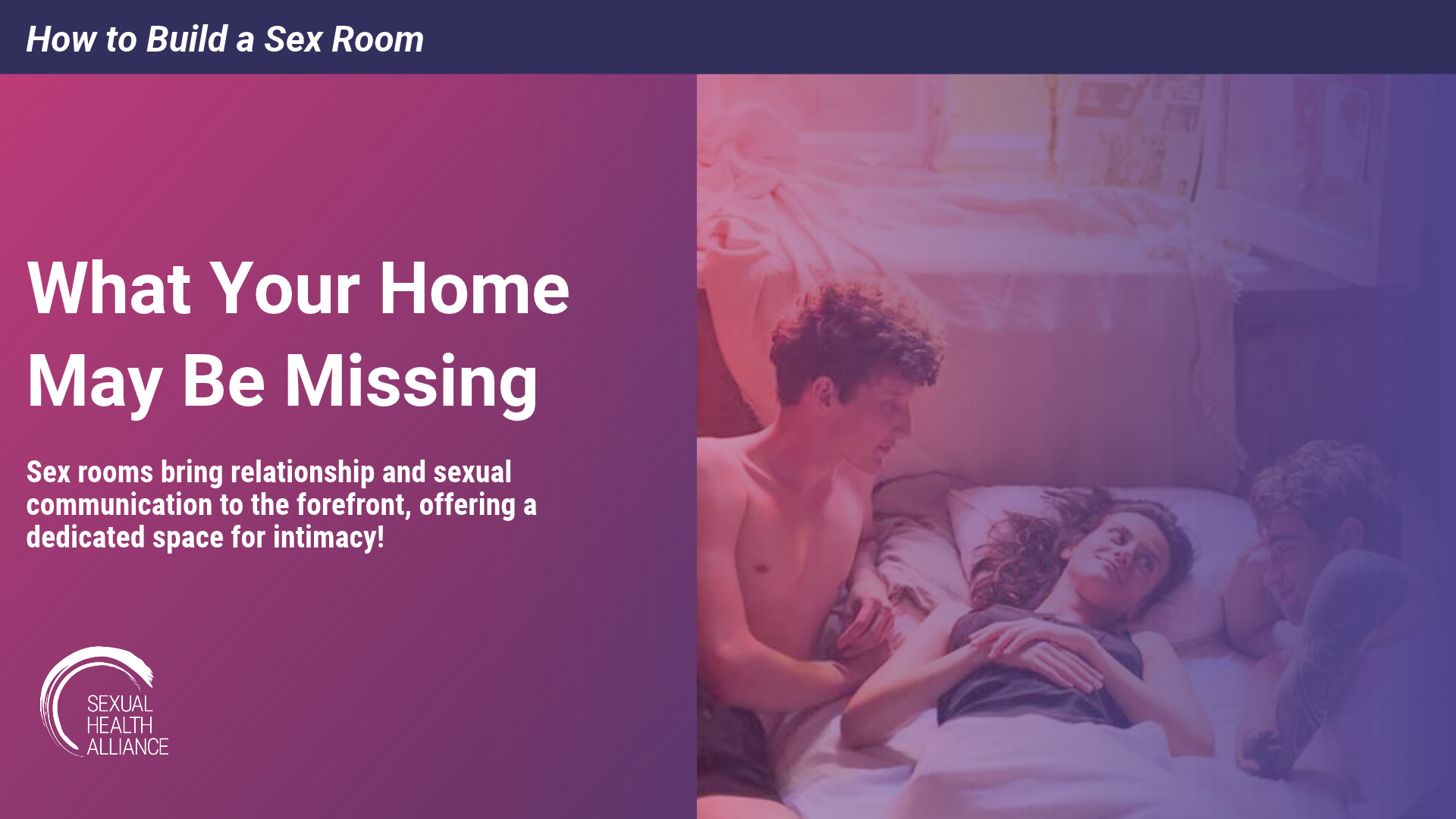
A sex room is a designated space for intimacy. For many people, sex happens somewhere in the home but does not necessarily have a set space that is not also for another purpose. In Netflix’ How to Build a Sex Room, Melanie Rose designs and personalizes spaces for individuals to have sex and strengthen their relationships. Although the show originally dropped in 2022, it is still relevant and worth the watch!
Who Gets a Sex Room?
In How to Build a Sex Room, it is not just straight couples getting spaces dedicated to their intimacy. The show features:
A gay couple in a long distance relationship
A polycule of seven
A middle-aged recently divorced woman
A lesbian couple that live in a van
And several more!
The variety of clientele and needs that they present help to normalize that people of all ages, backgrounds, and sexualities can enjoy a place reserved specifically for pleasure and sex.
Isn’t a Sex Room Just a Room?
In theory, you could have sex just about anywhere in your home. But, there’s a difference between rooms you have sex in, and a sex room.
Many of the people featured on the show dissatisfaction with their intimate lives, often citing reasons like:
Being parents: Their children are taking much of their time and significantly reducing their privacy.
Cramped quarters: They do not have a space that is clutter-free to feel sexy and comfortable in.
Equipment: They lack the infrastructure in their homes to pursue their sexual desires.
Undiscovered intimacies: They have not explored their own sexuality to know what they like and what is important to them in an intimate space.
Sex Rooms as a Child-Free Oasis
Although I can not speak from personal experience, I have to imagine that when you become a parent, your life becomes intermingled with your children. However, it likely does not exactly leave you with the same opportunities to be sexually active as compared to not having children. The clutter piles up and so do the responsibilities, so good, meaningful intimacy tends to fall lower and lower on the to-do list.
Having a space that is designated for adult fun can help by taking parents out of the mindset of childrearing and into a space where they can focus on themselves and their partner(s).
Kink/BSDM Behind the Scenes
Although pornography and other forms of explicit media may make it seem convenient to explore kink and BDSM practices, they can take a lot of equipment, space, and careful consideration. You may run into problems, like:
The bedroom may need hard holds for sex swings or other hanging apparatuses.
The bed might not be suitable for the bondage someone wants to engage in.
There simply may not be space for sex-related furniture (e.g., tantra chair).
Privacy may be scarce
These can be notable limiting factors, especially when those aspects of intimacy are important to the individual. So, intentionally creating a space that meets those needs can be empowering and allow individuals the opportunity to try things they otherwise couldn’t!
What makes How to Build a Sex Room Unique?
The show takes you through Melanie’s creative process as she interviews her clients and tries to figure out what exactly would be best – for both the room and the next steps of their sex life. So, the show and Melanie’s approach differ from your typical home remodeling show in a few significant ways.
Hands-On Creative Process
The process of designing and creating sex rooms also includes an experience that helps the individuals explore their sexuality further and, if they’re in a relationship, open up to and connect with their partner(s). Sometimes it’s a trip to the local domantrix, posing in a boudoir photoshoot, or picking out new toys at a sex store.
Designing a sex room also means having open communication about sexual desires, especially the ones that require hard holds, a drain, or any other important logistic considerations that come into play during construction. Melanie prompts conversations and opportunities for clients in relationships to connect with each other and talk about their sexual interests. This then helps her design the room, but also offers a chance for the clients to deepen their intimacy with their partner(s).
Highly Personalized
When you watch home renovation or interior decorating shows, there is typically an evaluative component. You may find yourself thinking something like “That pattern is so loud. I’d never want that.” or “Those chairs look uncomfortable, and are absolutely not to my taste.” That definitely happens while watching How to Build a Sex Room.
But, just like any design or aesthetic, you are not going to like them all. In fact, I would argue that you are not supposed to like all of the rooms designed on the show – they aren’t your rooms! Someone’s environment can play a big role in how they feel and whether they want to engage in intimacy in that space. So, it’s important that they suit the individuals who will be using them, not that they cater to conventional taste or the viewer’s preferences.
My only substantial complaint about the series is the lack of accessibility. Not everyone can afford the expensive set up, furniture, toys, and other accessories that are featured. Offering economically appropriate options for people who do not have an immense amount of disposable income would be incredibly helpful!
Exposure for the Audience
It is especially encouraging to see a show like this on a popular streaming service. It offers exposure to sexual education and health-related topics, including:
Female pleasure
Kink/BDSM
LGBTQIA+ partnerships
Nonmonogamous relationships
Positive representation and visibility is important, especially given the troubling state of body politics and lack of sexual education in many places around the world. My fingers are crossed for season two!
Want to become an in-demand sexual health professional? Learn more about becoming certified with SHA!
Written by Jesse John, B.S.
Jesse is a clinical psychology doctoral student at Rowan University in New Jersey. Their research focuses on sexual decision-making, sexual violence, and relationship experiences. The author identifies as a Queer, neurodivergent, non-binary, white person, which informs the way they write and see the world!

